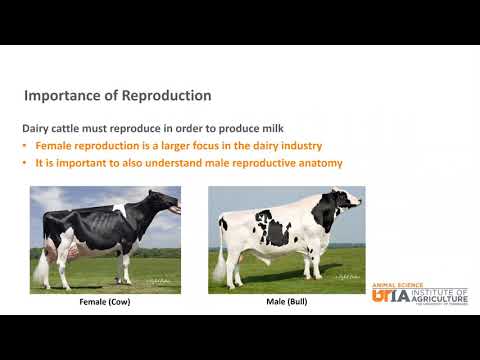
You know what? Cows are pretty amazing. Seriously, I mean, they’ve got this whole world of complexity going on inside them. The first time I saw a cow up close, I was just a kid, and all I could think was how big their eyes were. It’s like they have a secret life behind those gentle stares.
But there’s way more to these animals than meets the eye. Did you know that cattle anatomy isn’t just fascinating for science nerds? It actually plays a huge role in agriculture! The way their bodies function impacts everything from milk production to how nutritious their meat is.
So let’s dig a little deeper into the anatomy of these gentle giants and see why understanding their bodies is kind of crucial for farmers, scientists, and well, anyone who loves steak or cheese! You with me?
The Role of Cattle in Agriculture: Understanding Their Impact and Contribution to Sustainable Farming Practices
When you think about cattle, what pops into your head? Maybe beef or milk, right? But there’s so much more to it! Cattle play a pretty cool role in agriculture that goes beyond just providing food. So, let’s break it down.
Cattle and Soil Health
Cattle are like nature’s little recyclers. When they graze on grass, they help maintain healthy pastures. Their chewing stimulates new growth, and when they poop? Well, that’s nature’s fertilizer! It enriches the soil with nutrients. Healthy soil is essential for growing crops. So, in a way, cattle support the entire agricultural ecosystem.
The Nutrient Cycle
Think of this: when cattle eat grass and other plants, their bodies break down these materials into simpler nutrients. And you know what happens when they release waste? It returns those nutrients back into the soil! This cycle helps maintain fertility and supports plant growth, which is crucial for sustainable farming practices.
Cattle as Land Managers
Here’s something interesting: farmers often use cattle to manage land. By rotating them through different pastures, farmers can prevent overgrazing. This is called “managed grazing.” Basically, it mimics natural herd behavior where animals move from one area to another instead of staying put. This practice helps preserve plant variety and improves biodiversity.
Climate Considerations
Now let’s chat about climate change. You might’ve heard some mixed messages about cattle and their impact on greenhouse gases like methane—yeah, that’s definitely a thing. Cattle do produce methane during digestion but the bigger picture is not all bad. If managed well—like through rotational grazing—it can actually benefit the land!
Food Production
Okay, we can’t ignore it! Cattle are fundamental to food systems around the world. They provide **protein** through meat and milk products—very important in many diets! And many regions rely on them not just for food but also for livelihoods. Farmers often depend on cattle for income through sales of beef or dairy products.
Cultural Significance
Don’t forget: cattle also hold cultural importance in many societies! They’re part of rituals and traditions across different cultures which reflects how deeply connected humans are with these animals. Just think about those traditional festivals or community gatherings centered around livestock!
So yeah! While cattle contribute significantly to agriculture through various avenues—soil health, nutrient cycling, land management—they also come with challenges that need addressing too! Finding balance is key here because sustainable farming isn’t just about profits; it’s about caring for our planet and ensuring future generations enjoy its bounty as well.
In short: without understanding how cattle fit into this big puzzle of agriculture, we’d miss out on appreciating their valuable role while striving for sustainability in our farming practices!
Understanding Anatomy in Agricultural Science: Key Concepts and Importance in Crop and Livestock Production
Understanding anatomy in agricultural science is like having a map for a road trip; it guides you through the journey of crop and livestock production. So, what’s the deal with anatomy in this field? Well, anatomy basically refers to the structure of living organisms. This is super important when it comes to both crops and livestock.
Let’s break it down a bit. When we talk about **cattle anatomy**, we’re diving into the structure of cows. This matters because understanding how cattle are built helps farmers improve their products, whether it’s milk or beef. For example:
- Digestive System: Cows have a unique digestive system that includes four stomach compartments: the rumen, reticulum, omasum, and abomasum. This helps them break down tough plant materials.
- Muscular Structure: The muscles help determine how strong and healthy an animal is. Stronger muscles can mean better meat quality.
- Skeletal Anatomy: The bones support the body and protect vital organs. Healthy bones are crucial for an animal’s well-being and mobility.
Now think about that time when you visited a farm or maybe saw one on TV—those big cows munching away in the field! It’s fascinating to realize there’s so much more going on inside them than just eating grass.
Cattle anatomy isn’t just about their physical traits; it’s also about their genetics. Breeders often look at the anatomical features to select animals that will pass on desirable traits to their offspring, like better growth rates or disease resistance.
Crop anatomy plays its own significant role too! Plants have different parts—roots, stems, leaves—that all do different jobs. A farmer who knows what each part does can figure out how to grow healthier plants or fight off pests more effectively.
Think of it this way: if you don’t know how your car works, you might not realize when something’s wrong with it. Same goes for farmers; understanding crop and livestock anatomy helps them make smart choices that lead to better production.
So why exactly is this all important? Well:
- Efficiency: Understanding anatomy can lead to improved feeding practices which means animals grow faster and healthier.
- Sustainability: Knowledge allows farmers to use resources wisely—like water and feed—reducing waste.
- Health Management: Knowing how animals function helps in spotting illnesses early, which can save lives!
To wrap up, when you look at cattle (or any animals) on your next farm visit, remember there’s a fascinating world beneath their skin! Just like people rely on their body structures to thrive, understanding these concepts enables farmers to grow healthier crops and raise stronger livestock efficiently. Seriously cool stuff!
Exploring the Anatomy of Cattle: Insights into Ruminant Physiology and Structure
Exploring the anatomy of cattle is like peeling back the layers of a complex puzzle. These amazing creatures are ruminants, which means their digestive system is uniquely designed to break down tough plant materials. This specialized anatomy plays a huge role in agriculture, enabling them to convert grass into high-quality protein for us.
First off, let’s talk about that digestive system. Cattle have what’s called a four-chambered stomach. The chambers are called the rumen, reticulum, omasum, and abomasum. Each one does a different job in breaking down food.
– The **rumen** is like a big fermentation tank. It holds tons of bacteria that help break down cellulose from plants.
– Next up is the **reticulum**, where smaller food particles are sorted out and mixed with saliva.
– Then comes the **omasum**, which absorbs water and nutrients.
– Finally, we reach the **abomasum**, actually like our stomachs! It’s where digestive enzymes break proteins down into amino acids.
You see how it works? Cows literally “chew their cud,” which means they regurgitate partially digested food to chew it again and break it down more thoroughly! Kind of gross, right? But necessary!
Now onto their physical structure. Cattle have strong muscles and bones that support their size. Those big legs? They’re not just for show; they enable cows to roam around grazing on grass all day long. Their weight distribution is something else too—larger on the front end, which helps them balance while they graze or run away from danger.
Don’t forget about their teeth! Cattle don’t have upper front teeth but have a hard dental pad instead. This helps them grasp tough grasses better when eating! When you see cows munching away in a field, this unique feature allows them to do it efficiently without damaging their mouths.
Their skin also has its own cool adaptations. It’s not just for keeping them contained! The skin protects against weather extremes and pesky insects—like an armor made just for them. Plus, they sweat very little and rely on other means to stay cool, such as seeking shade.
And speaking of temperature regulation: If you’ve ever seen cattle standing together in a crowd under trees during hot days, there’s some serious herd behavior going on there! Cows stick together not only for protection but also because being close helps maintain warmth during cold days or cooler air flow in heat.
By understanding cattle anatomy better, farmers can make smarter decisions regarding diet and management practices that improve cattle health and productivity—such as when to provide feed supplements or how much space each animal needs!
So basically, ruminant physiology isn’t just cool science; it’s vital knowledge shaping modern agriculture. Knowing how cattle operate can lead us toward more sustainable practices—something we all care about!
You know, when you think about cattle, you might picture rolling hills and mooing cows in a pasture. But there’s so much more to these animals than meets the eye! Like, have you ever noticed how they stand around, munching grass all day? Well, their anatomy plays a huge role in that. Seriously.
Cattle are ruminants, which means they have this amazing stomach structure that allows them to break down tough plant materials. They’ve got four stomach compartments: the rumen, reticulum, omasum, and abomasum. The first two—the rumen and reticulum—are like fermentation tanks! They allow bacteria to break down cellulose from plants into nutrients that cattle can absorb. It’s like having a mini factory working inside them.
And it doesn’t stop there! Their large digestive system is specifically designed for processing grass, hay, and other roughage. Without it, they wouldn’t thrive as they do in agricultural settings. I remember visiting a farm once where the farmer explained how important the rumen is for converting low-quality feed into energy for growth and milk production. It’s kinda mind-blowing when you think about it!
But here’s another thing: understanding cattle anatomy is also crucial for farmers and veterinarians. Knowing their skeletal structure helps in treating injuries or illnesses effectively. Plus, it plays a significant role in breeding programs too—farmers look for specific traits based on genetic makeup influenced by physical characteristics.
And you know what? The welfare of these animals often depends on how well we understand their bodies and behaviors. Caring for cattle means making sure they have enough space to roam around freely and engage with each other naturally. It’s fascinating how much thought goes into ensuring happier cows lead to better milk production or healthier beef.
In agricultural science, dissecting their anatomy isn’t just some textbook exercise; it’s a gateway to improving farming practices overall! So next time you see those cows grazing peacefully in the field, remember there’s an intricate world of science helping them thrive—and allowing us to enjoy the benefits too!