You know what’s wild? Ancient Chinese astronomers could predict solar eclipses way back in the day—like, before anyone even had Google to look it up! Imagine sitting outside, gazing at the stars, and knowing exactly when the moon was gonna crash the sun’s party.
These sky-watchers were more than just stargazers; they were serious scientists with groundbreaking ideas. They actually shaped a lot of what we understand about space today.
So, let’s take a chill trip through time and see how these ancient thinkers influenced science as we know it. It’s pretty cool stuff! Seriously, you won’t believe how much they contributed to our understanding of the universe. Buckle up!
Exploring Ancient Chinese Astronomy: Its Lasting Impact on the Development of Scientific Thought (PDF)
Ancient Chinese astronomy is like this incredible treasure chest of knowledge and insight. It’s not just about looking at the stars, but how those observations shaped a whole bunch of scientific ideas that still resonate today.
First off, let’s talk about some of the key achievements. The Chinese were tracking celestial movements long before many other civilizations even thought about it. They mapped out constellations and recorded events like eclipses. You know, it wasn’t just for fun: this was critical for farming, religious rituals, and even predicting weather patterns. It shows how tightly linked their understanding of the universe was with daily life.
One really interesting thing is how they developed calendar systems. The traditional Chinese calendar is lunisolar, meaning it considers both the moon and sun in its calculations. This helped them keep track of time for agricultural cycles, which was vital for surviving in a mostly agrarian society. They were paying attention to when to plant and harvest based on star positions—you can see how practical that was!
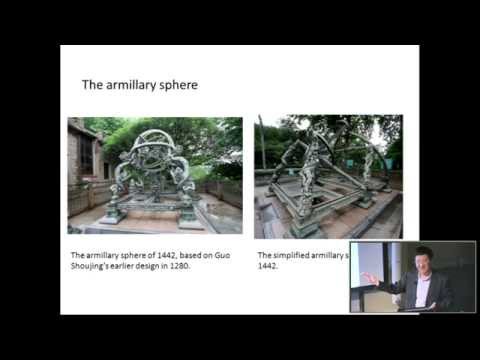
But let’s not forget the instruments. The ancient Chinese invented some sophisticated tools like the armillary sphere and water clocks. These weren’t just fancy gadgets; they revolutionized their ability to observe and record astronomical events accurately. Like seriously, using these tools meant they could make predictions about celestial events with impressive precision.
- Astronomical records: The Chinese kept meticulous records of celestial phenomena over centuries! These documents don’t just tell stories; they provide insights into ancient weather patterns, which modern scientists sometimes analyze.
- The concept of cycles: The idea that everything has cycles—including seasons and lunar phases—was crucial in shaping scientific thought around predictability in nature.
- Astrology vs Astronomy: There’s an interesting line between astrology and astronomy in ancient China. While they had astrologers who interpreted celestial signs for personal fates, astronomers focused more on observations that affected society as a whole.
You know what’s wild? These early scientific endeavors laid groundwork for future thinkers like Copernicus and Galileo! When Western science began to flourish later on, it borrowed ideas from various cultures, including those from ancient China.
The impact didn’t stop there. Fast forward to today: the essence of their astronomical practices can still be seen in modern science. Concepts from their meticulous record-keeping now inspire historians studying ancient climate change or cosmic events!
The emotional connection here is quite profound too—imagine those ancient astronomers gazing up at the night sky without modern technology! Their curiosity sparked innovations that shaped societies across generations. It’s a reminder that human inquiry knows no bounds.
In summary, exploring ancient Chinese astronomy reveals so much more than stargazing; it’s about a world where every observation mattered to the broader context of survival and understanding our place in the universe. Seriously cool stuff!
Exploring Ancient Chinese Astronomy: Its Impact on Scientific Development and Historical Significance
So, let’s talk about Ancient Chinese astronomy. This fascinating field has shaped not only how ancient Chinese folks understood the universe but also had a huge influence on scientific development. You know, it’s like going back in time and seeing how people gazed up at the stars, trying to make sense of their world.
First off, ancient China was really into observing the skies. They built massive observatories and developed instruments, like armillary spheres, which helped them track celestial movements and devise star maps. The thing is, they didn’t just do this for fun; they believed that the cosmos was linked to earthly events. Events up there could predict disasters or signal good harvests down here.
And oh man, they even created a lunar calendar with the cycle of the moon. This wasn’t just some side gig; it dictated when to plant crops or hold festivals. Can you imagine celebrating New Year based on moon phases? It was all connected in their minds!
Do you know about those star catalogs? The Twenty-Eight Mansions system organized stars into groups based on their positions and importance. They even mapped out constellations! Imagine walking outside and recognizing patterns in the sky that were named thousands of years ago—pretty cool, right?
Another super interesting fact is how they incorporated astronomy into medicine. They believed certain constellations affected health. So doctors would consult the stars before treating patients. It sounds a bit wild today but reflects their holistic view of life.
But wait, there’s more! Ancient Chinese astronomers were actually pretty good at predicting eclipses too. They understood that solar and lunar eclipses weren’t bad omens—just natural occurrences caused by shadows. You see this incredible blend of observation and theory developing over time.
They also had an impact beyond their borders. Their innovations influenced neighboring cultures—all those teachings spread across Asia! When later Western scientists came into contact with these ideas during trade and exploration, it led to a fascinating exchange of knowledge.
So, looking back at ancient Chinese astronomy gives us this amazing perspective on how humans have always sought to understand our place in the universe—through careful observation and an unquenchable curiosity.
In short:
- Observation: Massive observatories for celestial tracking.
- Lunar calendar: Determined festivals and agricultural cycles.
- Star catalogs: Organized stars into recognizable patterns.
- Astronomy & medicine: Linked cosmic events to health.
- Eclipses: Understanding natural occurrences versus omens.
- Cultural exchange: Influenced other civilizations through trade.
It’s pretty clear that ancient Chinese astronomy shaped not just their society but laid groundwork for future scientific exploration! It blows your mind when you think about how much we owe them in terms of understanding our universe today.
Exploring Ancient Chinese Astronomy: Its Impact on Scientific Development and Modern Knowledge
When you think about ancient astronomy, it might be easy to picture those classic images of Greeks charting the stars. But hold on! Ancient Chinese astronomy was also pretty groundbreaking and had a huge impact on how we understand the universe today.
The Chinese were observing the skies long before many Western cultures even existed. They recorded celestial events like eclipses and supernovas, which they believed had significant meaning for their society. Imagine living in a time when a solar eclipse could make everyone panic! The ancient Chinese were very meticulous about these observations. They kept detailed records that spanned centuries.
One fascinating aspect of their astronomy is how they used it for practical purposes. For instance, they developed a calendar based on lunar cycles. This wasn’t just for fun; it shaped how agriculture worked! Farmers could plant crops at the right times based on these celestial predictions. You can see how astronomy directly influenced everyday life back then.
Now, let’s talk about the inventions. The Chinese created amazing tools for their astronomical observations! Instruments like the armillary sphere were used to model celestial objects and movements. It’s so wild to think about how they constructed these tools without the technology we have today.
Another key point is map-making. The Chinese cartographers created star maps that depicted constellations in astonishing detail. These maps not only helped understand astrology but also played a role in navigation and exploration—especially important when you’re trying to get from one place to another without GPS!
Their emphasis on observation versus theory set them apart from other civilizations at the time. While some cultures focused more on philosophical interpretations of the stars, China was collecting data and refining methods based on what they saw in the sky.
Fast forward to modern times: you might wonder why this matters now? Well, much of our current astronomical knowledge builds upon foundations laid by these ancient astronomers. Their work informs our understanding of everything from planetary motion to gravitational theories!
So seriously, as you sit outside tonight gazing up at the stars, remember that those points of light have stories behind them—stories of ancient scholars who looked up and wondered just like we do today! It’s kind of poetic when you think about it, isn’t it?
You know, when you think about astronomy, you might picture stargazing with a telescope or those flashy images from space. But if you peek back in time to ancient China, it’s like a whole different universe of ideas and discoveries. Seriously! The ancient Chinese were doing some pretty incredible stuff with the stars long before modern science was even a twinkle in its eye.
Imagine being in ancient China. It’s nighttime, and you’re surrounded by the soft glow of lanterns, while wise scholars are tracking celestial movements. They weren’t just looking for pretty patterns; they believed that the heavens could influence life down here on Earth. So, they studied the movements of the sun, moon, and planets meticulously.
One thing that really gets me is how they created the lunar calendar. Yep! They figured out that months could be tracked by the moon’s phases. This method wasn’t just for fun; it helped them prepare for crops and festivals. It’s mind-blowing to think about how essential this knowledge was for their survival and culture!
What also stands out is their concept of harmony between heaven and earth — a bit “yin-yang,” if you will. They thought celestial events signified changes in human affairs. So, when comets or eclipses showed up? Those weren’t just cool sights; they were signs to interpret. This belief linked astronomy deeply with philosophy and culture, making it way more than just science.
And let’s not forget their innovation with instruments! The gnomon (basically an ancient sundial) was used to track time based on shadows cast by the sun—pretty nifty! Plus, their star maps laid foundational work for future astronomers everywhere. I mean, without them? Who knows how our understanding would have developed!
You know what really hits home? It’s easy to think of science as this linear timeline where one era builds off another neatly. But diving into ancient Chinese astronomy shows us just how interconnected everything is—cultures influenced each other across time and space.
I remember standing on a hill at night once with friends, staring up at all those stars twinkling like old pals saying hello from afar. That moment made me ponder our place in all of this—the vastness out there connecting us through history and knowledge shared among cultures over centuries.
So yeah, ancient Chinese astronomy wasn’t just about counting stars or predicting seasons; it was a beautiful blend of art, science, philosophy—all intertwined like threads in a rich tapestry. And honestly? That kind of perspective can spark so much curiosity about our universe today!