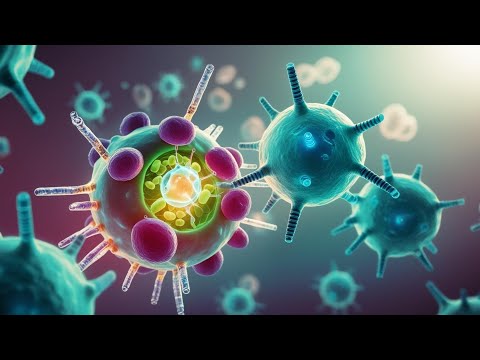
So, here’s a funny thought: what if broccoli could actually be a superhero? Like, imagine it in a cape, zooming around, fighting off diseases. Well, believe it or not, that’s kinda what applied biotechnology is all about! It takes our everyday foods and uses science to make them even better for our health.
You know how we’re always hearing about the next big thing in health? Well, innovations in biotechnology are like magic tricks for improving lives. They’re crafting solutions from the tiniest bits of life—think bacteria and genes—to tackle health issues that have been bugging us for ages. It’s wild!
Picture this: scientists playing matchmaker with DNA to create medicines that help you heal faster or foods packed with vitamins to keep you strong. That’s where the real excitement lies! So let’s chat about some of these cool innovations that might just change how we think about our health. Seriously, it’s going to be an eye-opener!
Cutting-Edge Innovations in Applied Biotechnology: Advancing Health Solutions
Biotechnology is like this all-star team of science, mixing biology with technology to create some seriously cool stuff that can make our health better. So, let’s break down how these cutting-edge innovations are changing the game.
First off, gene editing is one of the biggest players on the field. Remember CRISPR? It’s like the molecular scissors that allow scientists to snip out bad genes or even insert good ones. This tool has already helped in treating genetic disorders like sickle cell anemia. Imagine being able to fix a disease right at its DNA level! Sounds sci-fi, huh? But it’s happening now.
Then there’s personalized medicine. This means treating patients based on their unique genetic makeup rather than a one-size-fits-all approach. You know how sometimes you get prescribed medication that just doesn’t work for you? That’s because everyone’s different! By using biotechnology to analyze your genes and health data, doctors can tailor treatments specifically for you. It makes sense, right? Customized care could lead to way more effective outcomes.
Moving on, regenerative medicine is another fascinating area. Here, scientists are using stem cells—the body’s “raw materials”—to heal or replace damaged tissues and organs. For instance, researchers are working on regenerating heart tissue after a heart attack. Imagine getting your heart fixed using your own cells—pretty mind-blowing! This could change everything for people with chronic conditions.
And we can’t forget about vaccines and therapeutics. Biotechnology has played a huge role in developing vaccines rapidly and effectively, especially highlighted during the COVID-19 pandemic. Using mRNA technology, like in some of the vaccines available now, shows how biotech can accelerate vaccine development by teaching our immune systems to recognize pathogens without using live viruses.
But here’s where it gets even cooler—biomanufacturing. This involves producing biological products on a large scale efficiently and sustainably. For example, using engineered microorganisms to produce insulin for diabetics or creating biofuels from algae helps not just in health but also in environmental sustainability. Solving two problems at once? Yes, please!
Finally, let’s touch on biosensors. These tiny tech wonders monitor health markers in real-time—like wearable devices that track glucose levels or heart rates continuously. They provide instant data which can lead to better management of health conditions and quicker responses when something goes off track.
In essence, these innovations are more than just buzzwords—they’re making tangible changes in health solutions every day. The blend of tech and biology opens up possibilities we’re just starting to explore—and it’s pretty exciting! Just think about it: Your future healthcare might involve personalized treatments created specifically for you based on your DNA! So as these advancements continue rolling out, they promise a healthier tomorrow built on scientific breakthroughs today.
Exploring Innovations in Applied Biotechnology: Advancements for Enhanced Health Outcomes
Biotechnology is a pretty cool field, you know? It’s all about using living organisms or their components to create products and technologies that can help us out. When we talk about **applied biotechnology**, we’re diving into real-world applications. This can mean everything from improving health outcomes to boosting food production. There’s so much happening right now that’s making a difference in our lives!
One of the fascinating areas within applied biotechnology is **gene therapy**. It’s like a superhero for medicine! The idea is to fix or replace faulty genes responsible for diseases. For example, kids with certain genetic disorders, like cystic fibrosis, might be treated by introducing a healthy copy of the defective gene into their bodies. Can you imagine the relief of parents when they hear news like that?
Another exciting innovation is in the world of **vaccines**. So, remember how we all had to adapt with those rapid COVID vaccines? That technology used messenger RNA (mRNA) to teach our immune systems how to fight off the virus more efficiently. What’s cool is that researchers are exploring this method for other diseases too! Imagine a world where we can tackle things like flu or even cancer with similar mRNA vaccines.
And then there are **biosensors**—essentially tiny devices that use biological materials to detect substances in our body or environment. For instance, some biosensors can monitor glucose levels for diabetic patients in real-time through just a drop of blood. No need for those annoying finger pricks all day! That’s definitely an upgrade, right?
Let’s not forget about **regenerative medicine** either. This part focuses on repairing or replacing damaged tissues and organs. Think stem cells—those little powerhouses have the potential to transform into different cell types and help heal various ailments. There are ongoing studies where scientists use stem cells to treat heart diseases or even neurological disorders like Parkinson’s.
Now, if we take a step back and look at everything together, these innovations show us how applied biotechnology isn’t just about fancy science talk—it’s genuinely touching lives every single day and paving the way for healthier futures.
In summary:
- Gene Therapy: Fixing faulty genes could change lives dramatically.
- Vaccines: mRNA technology is revolutionizing preventive healthcare.
- Biosensors: They simplify monitoring health conditions.
- Regenerative Medicine: Stem cells offer incredible healing possibilities.
So basically, applied biotechnology is reshaping health outcomes in ways we never really thought possible before! It’s exciting stuff that brings hope and innovation directly into hospitals and clinics around the globe. Isn’t it amazing what science can do?
Transformative Innovations in Applied Biotechnology for Enhanced Health Outcomes in 2022
Sure! Transformative innovations in applied biotechnology can really blow your mind. I mean, every day, scientists are cooking up things that can totally change the game for health outcomes. So, let’s break it down into some key areas where this stuff is happening.
CRISPR Technology
Ever heard of CRISPR? It’s like the scissors of the genetic world! This tool allows scientists to edit genes with incredible precision. In 2022, researchers took it a step further by using CRISPR to target diseases at a molecular level. Imagine fixing a typo in a book—this technology lets you basically correct “bad” genes that cause illness. Seriously cool stuff!
Personalized Medicine
Now, personalized medicine is another big thing right now. Basically, it’s all about tailoring treatments to individual patients based on their unique makeup. You know how we’re all different? Well, our DNA is too! In 2022, there were developments in using bioinformatics and genetic profiling to create more effective medications for people with specific conditions like cancer or rare diseases.
Biologics and Biosimilars
You’ve probably heard of drugs called biologics—they’re made from living organisms! These include things like vaccines and insulin. In 2022, biosimilars came into play and made these drugs cheaper for patients without compromising effectiveness. Think of it as getting the same quality product at a lower price—pretty rad if you ask me!
Tissue Engineering
Then there’s tissue engineering. Imagine growing replacement organs because someone needs a transplant but there aren’t enough available—yeah, that’s actually happening! Scientists are working hard on growing tissues in labs that mimic human organs. Just picture someone receiving a new heart grown from their cells—it could save countless lives!
Microbiome Research
Don’t forget about your gut bacteria! That little community living inside us is called the microbiome and has been linked to all sorts of health issues—from mental health to obesity. In 2022, more focus was placed on how modifying these bacteria could lead to better health outcomes.
- CRISPR Technology: Precise gene editing.
- Personalized Medicine: Tailored treatments based on genetics.
- Biologics and Biosimilars: Affordable drugs made from living organisms.
- Tissue Engineering: Growing organs for transplants.
- Microbiome Research: Understanding gut health impacts overall wellbeing.
In short, biotechnology is pushing boundaries and changing how we approach healthcare—and it’s only going to get better! With these innovations coming out fast and furious, who knows where we’ll be in just a couple of years? Exciting times ahead for sure!
You know, when I think about applied biotechnology and how it’s making waves in health care, I get this sense of excitement. It’s like we’re living in a time where science meets everyday life in the coolest ways. Just a little while ago, I met an old friend who’d been dealing with diabetes for years. She was telling me about new treatments that use biotech innovations. It was wild to see her eyes light up as she shared how these advancements were changing her life for the better.
So, what’s going on here? Well, biotechnology is all about using living organisms or their systems to develop products and processes that can help us out. Think of it like having nature as your lab partner! For instance, scientists are using modified bacteria to produce insulin more efficiently than before. It’s pretty incredible, right?
But that’s just one piece of the puzzle. Genetic therapies are also taking a front seat recently. Imagine being able to fix genetic disorders at their source! There are therapies where researchers can edit genes to either replace faulty ones or simply turn them off if they’re causing problems. Like flipping a light switch! This has brought hope for conditions that seemed unmanageable not too long ago.
And then there’s personalized medicine—oh man, this is cool stuff! Instead of one-size-fits-all treatments, it’s like tailoring your health care just for you based on your genetics or lifestyle. Doctors can choose medications and dosages that suit individual patients much better now thanks to genetic screening and biotech tools.
Still, amidst all this awesomeness, we must tread carefully. There are ethical concerns looming over these innovations—y’know? Stuff like gene editing raises questions about what should be allowed and what might cross a line we shouldn’t touch.
So yeah, applied biotechnology holds so much promise for better health outcomes! It offers tools that could potentially transform lives in really meaningful ways—like my friend with diabetes finding new hope amidst her struggles. But just as exciting it is, staying aware of the ethical conversations around these advancements is just as important; we want to make sure we’re moving forward responsibly.
It feels like we’re at a crossroads where science fiction is becoming reality—and honestly? That’s pretty amazing!