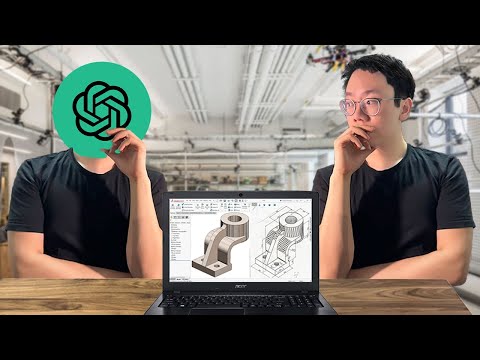
Did you know that robots can now design better bridges than humans? Yeah, it’s pretty wild. Just picture a flashy robot with a hard hat crunching numbers faster than you can say “structural integrity.”
So, mechanical engineering is kind of like crafting the ultimate Lego masterpiece. You’ve got all these pieces that need to fit together perfectly. But now, toss in some artificial intelligence, and things get really interesting!
Imagine having a super-smart buddy who never sleeps—always analyzing data, finding patterns, and suggesting improvements while you’re just trying to figure out which way the wrench goes. Sounds dreamy, right?
This blend of AI with mechanical engineering is shaking things up! And who knows? Maybe one day your toaster will be smarter than you. Let’s take a closer look at how this partnership is transforming the engineering world!
Advancements in Mechanical Engineering: Exploring AI Innovations and Their Impact on Scientific Progress (PDF)
Mechanical engineering has seen some really exciting advancements lately, especially with the introduction of artificial intelligence (AI) into the mix. It’s like giving engineers a superpower! You know how in movies, they have those super-smart computers that can make decisions in a heartbeat? Well, that’s kind of happening in real life too.
So, what does AI really bring to mechanical engineering? Here are a few key areas where you might see its impact:
- Design Optimization: AI algorithms can analyze vast amounts of data way faster than any human could. This means engineers can create designs that are not only efficient but also innovative. Imagine trying to design a new airplane wing. Instead of doing trial and error for months, engineers can input their parameters into an AI system, which will simulate different designs and give feedback almost instantly.
- Predictive Maintenance: Picture this: you’re driving your car and suddenly it breaks down. It’s frustrating, right? With AI, mechanical systems can now predict when something is likely to fail before it actually happens. This technology analyzes data from sensors to forecast breakdowns so maintenance can be done ahead of time. This prevents unexpected stops and saves money!
- Robotics: AI is also revolutionizing the way we think about robotics in mechanical engineering. Robots powered by AI are becoming more adept at tasks that require fine motor skills or complex problem solving. They’re being used in manufacturing processes that were once just handled by humans. For example, think about how much precision is needed when assembling tiny parts in electronics!
- Simulation and Testing: Traditionally, testing prototypes would take ages and involve lots of physical resources. Now, with advanced simulations powered by AI, you can test out ideas virtually! It’s like playing a video game where you get to mess around with all sorts of machines without the risk and cost of doing it physically.
To bring this closer to home, I remember talking to my buddy who works as an engineer at a manufacturing plant. He mentioned how they recently integrated an AI system for monitoring production lines. The shift was like going from using paper maps to having GPS on your phone! It optimized their entire process—less waste, fewer errors—and they even managed to boost productivity without sacrificing quality.
So yeah, while it might sound all techy and complicated, these advancements in mechanical engineering thanks to AI aren’t just changing the industry; they’re enhancing our daily lives too! It’s almost like we’ve crossed into an era where machines don’t just work for us—they work smartly alongside us! And who knows what cool stuff we’ll see next?
Exploring the Role of Artificial Intelligence in Mechanical Engineering: A Comprehensive PDF Guide
So, artificial intelligence, or AI, is really shaking things up in the field of mechanical engineering. And it’s not just a fad; it’s like adding rocket fuel to many processes that were once slow and cumbersome. Basically, AI is helping engineers design better machines, streamline processes, and even predict when things are gonna break. Pretty cool, huh?
First off, let’s talk about **design optimization**. Engineers used to spend hours tweaking designs, making them lighter or more efficient. Now, with AI-powered algorithms, they can input parameters into software and get suggestions on the best designs in seconds. Imagine you’re building a new bike frame; instead of manually calculating the best shapes and materials to use for strength and weight, AI can do that lightning-fast!
Then there’s **predictive maintenance**. You know how annoying it is when a machine breaks down unexpectedly? Well, AI helps anticipate those failures by analyzing data from sensors on machines. It can predict wear and tear before it happens. This means companies can do repairs at convenient times instead of scrambling when something goes wrong.
Also worth mentioning is **manufacturing automation**. Robots have been in factories for ages but now they’re getting a significant brain boost thanks to AI. These smart machines can learn from their environment and improve their performance over time. For example, if a robotic arm makes a mistake while assembling parts, it can adapt its process based on what went wrong.
One more area that’s fascinating is **supply chain management**—a bit dry sounding but super important! Engineers use AI to analyze massive amounts of data to optimize logistics and inventory management. This helps reduce costs and improves efficiency because everything becomes more streamlined.
Now let’s touch on the emotional side of this innovation scene! I once met an engineer who told me how integrating AI into their projects had completely transformed their daily work life from stress-filled chaos to smooth sailing! They could focus more on creative problem-solving rather than rote calculations or tedious manual tasks.
Of course, there are challenges too; like ensuring that all of this technology works harmoniously with humans instead of replacing them completely—an important balance that needs thoughtfulness.
So basically, the role of artificial intelligence in mechanical engineering isn’t just about tech for tech’s sake; it’s about enhancing human capability while pushing boundaries further than ever before! Exciting times ahead!
Exploring the Future of AI in Mechanical Engineering: Innovations and Impacts on Science
Artificial Intelligence (AI) is shaking things up in the world of mechanical engineering. The way engineers design, test, and produce machinery is being transformed. Think about how cars are made or how machines work in factories—everything’s changing!
So, what’s the big deal? Well, AI helps engineers make better decisions faster. Instead of spending weeks analyzing data from prototypes, AI can crunch those numbers in hours or even minutes. It’s like having a super-smart assistant that never gets tired!
Here are some major ways AI is innovating mechanical engineering:
- Predictive Maintenance: Machines can break down unexpectedly. But with AI, systems can monitor performance and predict when something might fail. This saves time and money.
- Design Optimization: Engineers often have to tweak designs multiple times before getting it right. AI algorithms can analyze countless variations and suggest the best one. Imagine running thousands of simulations overnight instead of doing it manually.
- Robotics Integration: Robots powered by AI are becoming more flexible and capable. They can adapt to new tasks on the fly. This means factories can change production lines without major overhauls.
- Sustainable Practices: AI also helps reduce waste by optimizing energy use during manufacturing processes. Less waste means a smaller carbon footprint.
You know that feeling when you see a complex machine work perfectly? It feels great! That’s exactly what engineers aim for—machines that not only function well but do so efficiently and reliably.
The impact of these innovations goes beyond just efficiency; they’re pushing the boundaries of what’s possible in engineering! For instance, imagine designing a car that learns from driving patterns to improve fuel efficiency over time—that’s not science fiction anymore!
Anecdotally speaking, I remember chatting with an engineer who was just starting to incorporate AI into his workflow. He shared how frustrating it was to run tests on prototypes—literally weeks spent waiting for results! Then he switched to AI models and saw almost instant improvements in productivity. He couldn’t believe he could get back so much time for actual creative design work!
This shift isn’t without challenges though. Engineers need training to keep up with these new technologies; sometimes there are data privacy concerns too, especially if sensitive information is handled by algorithms.
In conclusion—or should I say just as a thought—AI is becoming a key player in mechanical engineering innovations. With its ability to analyze vast amounts of data quickly, optimize designs efficiently, and ultimately change how we build things, the future looks super exciting! Just think about all the problems we could solve together with AIs help.
You know, when you think about mechanical engineering, it’s easy to picture gears, levers, and all that heavy machinery. But the thing is, it’s not just about what we can physically build. It’s also about how we can use smart technologies to make things better. Enter artificial intelligence—yeah, that’s AI for us folks who love abbreviations.
I remember watching a documentary a while back about how AI was being integrated into designing cars. They showed this crazy simulation where algorithms were tinkering away at the design of a car’s frame to optimize safety and fuel efficiency simultaneously. I mean, they let computers do the heavy lifting! It made me feel like I was witnessing the future unfold right before my eyes. Seriously cool stuff!
AI helps mechanical engineers predict failures before they even happen. Imagine a factory line where machines are constantly talking to each other, you know? If one component shows signs of breaking down, AI can signal for maintenance before it stops production altogether. Saves time and money. What could be better than that?
And let’s not forget robotic arms in manufacturing plants! Those little wonders are getting smarter every day, learning from their environment and improving their tasks—all thanks to AI algorithms that teach them on-the-go. It makes processes way more efficient than ever before.
But hey, all this tech doesn’t come without its challenges! There’re ethical concerns about job displacement or if we’re relying too much on machines to think for us. You find yourself wondering if we’re losing that human touch in problem-solving.
Still, as you see innovations sprouting from this blend of mechanical engineering and AI, it feels like we’re only scratching the surface of what could be accomplished together. It’s kind of uplifting in a way—like seeing a team working towards a shared goal by combining their strengths rather than competing against each other.
So as these two fields continue to collide and create amazing solutions together, who knows what extraordinary things lie ahead? Just thinking about it brings a spark of excitement for what the future holds!