So, picture this: you’re chilling on the couch, scrolling through your phone. Suddenly, it recognizes your face like it’s your long-lost buddy. And it’s pretty accurate too! That’s artificial intelligence for you. Wild, right?
Now, let’s talk about AI vision. It’s not some sci-fi movie stuff anymore. It’s real life! From your phone to self-driving cars, this tech is popping up everywhere.
Imagine a world where machines “see” just like us—well, kind of. They’re spotting things and making decisions faster than we can blink. And guess what? This isn’t just cool; it’s got a ton of applications that could make our lives easier or even safer.
So buckle up! We’re diving into the nitty-gritty of how AI vision is shaping our future in ways you probably never saw coming (pun totally intended).
Recent Advances in Artificial Intelligence Vision: Applications and Implications in Science (PDF)
Artificial intelligence (AI) vision is like giving machines super-sight. It’s all about making computers understand and interpret visual information, kind of how we do with our eyes and brains. Recently, there’ve been some cool breakthroughs in this field that are changing the game in science and beyond.
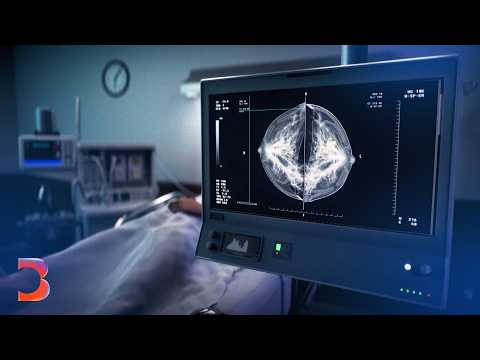
One major leap is in image recognition. AI can now identify objects, animals, and even people with impressive accuracy. Take facial recognition, for instance. It’s being used in security systems but also has applications in healthcare. Imagine a doctor using AI to quickly analyze medical images like X-rays or MRIs to spot issues that a human eye might miss. That’s pretty neat!
Another area where AI vision shines is in autonomous vehicles. Self-driving cars rely heavily on this technology to navigate streets safely by recognizing signs, pedestrians, and other vehicles. Picture this: a car equipped with AI vision can see a stop sign from far away and understand it needs to stop—just like you do!
In agriculture, farmers are using AI vision to monitor crops through drones equipped with cameras. These drones can scan large fields, identifying areas that need more water or where pests are lurking. It’s like having eyes in the sky! This helps farmers conserve resources while boosting crop yields.
Now let’s talk about implications. With all these advancements come some important questions. For one thing, there’s the issue of privacy. When machines start recognizing faces everywhere, it raises eyebrows about surveillance and data protection. You know? Finding a balance between technological benefits and personal rights is crucial.
Also, there’s the possibility of bias in AI systems. If an AI learns from flawed data sets, it could make skewed decisions—like misidentifying people based on race or gender. That’s a serious concern that researchers are trying to tackle as they develop these systems.
And then there’s the ethical side of things too! Who’s responsible if an autonomous vehicle gets into an accident? Or if an AI makes an incorrect medical diagnosis? We’ve got some big conversations ahead about accountability.
So yeah! Advances in AI vision hold amazing potential but come with challenges we can’t ignore. As we keep pushing forward into this tech-savvy future, it’s key for scientists, policymakers, and everyday folks like us to stay involved—and make sure we’re steering things in the right direction!
Exploring Breakthroughs in Artificial Intelligence Research: Insights from the Advances in Artificial Intelligence Journal
Sure! Let’s chat about the exciting world of Artificial Intelligence (AI) and some cool breakthroughs that are shaking things up in the field. So, buckle up!
First off, AI isn’t just a buzzword anymore; it’s a massive part of our daily lives. From Siri to Netflix recommendations, it keeps surprising us with how smart it can be. What’s really interesting is how researchers are pushing the boundaries of what AI can do, especially in its vision capabilities.
You know those moments when you try to find a specific image online? Well, AI is getting better at understanding images just like we do. It’s learning to recognize objects, people, and even emotions in photos. Imagine scrolling through your vacation pics and having your phone automatically tag everyone in them without you lifting a finger. That’s AI vision at work!
In the realm of computer vision, one breakthrough involves deep learning techniques. This means using complex algorithms to mimic how our brains process info. Researchers create neural networks that learn from tons of data—like thousands of pictures—so that they can identify patterns and make predictions. Crazy, right?
So picture this: a car using AI can analyze street signs, pedestrians, or traffic lights in real time! And all this happens without any human intervention.
But there’s more! You’ve probably seen or heard about facial recognition technology. While it sounds super sci-fi, it relies heavily on advancements made in AI vision research. When you unlock your phone with your face or tag friends on social media, that software is recognizing faces faster than we could even blink.
Now let’s switch gears for a moment—let’s talk about the ethical side of this tech boom. Sure, AI has amazing potential, but there’s also serious concern around privacy issues and biases embedded in algorithms. For instance, if an AI system learns from biased data sets (like certain demographics being overrepresented), it might struggle when assessing individuals outside those groups. Not cool!
So what happens next? The Advances in Artificial Intelligence Journal showcases various studies focusing on these challenges and breakthroughs alike. For instance:
This means they want to create systems that explain their decisions clearly so humans can understand why certain actions were taken.
And then there’s the continuous push for improving accuracy! Imagine fewer errors when an AI works with medical imaging; early diagnoses could save lives.
To sum things up here: advancements in artificial intelligence research are changing the game across various fields—from healthcare diagnostics to industry automation! As exciting as these breakthroughs are, we can’t forget about keeping things responsible and ethical along the way.
In time we’ll see just how far these innovations take us! What do you think?
Exploring the Latest Advancements in Artificial Intelligence: Transformative Impacts on Scientific Research and Innovation
Artificial Intelligence (AI) is totally shaking things up in the world of scientific research. You know, it’s like having a super-smart assistant who can analyze mountains of data faster than you can say “machine learning.” So, let’s break down some of these latest advancements and their impacts on research and innovation.
Transforming Data Analysis
AI is revolutionizing how researchers handle data. Traditional methods can be slow and often miss hidden patterns. With AI, especially through techniques like deep learning, scientists can uncover trends in massive datasets that would take humans forever to analyze. For example, in medicine, AI algorithms are being used to analyze medical images for early detection of diseases like cancer. These systems learn from examples and can become more accurate over time.
Boosting Predictive Models
But wait, there’s more! AI is not just about crunching numbers; it also helps in making predictions. By using predictive analytics, researchers can forecast outcomes based on previous data. Think about climate change studies—AI models help scientists predict future weather patterns or the effects of rising temperatures on ecosystems. It’s like having a crystal ball but way cooler!
Enhancing Collaboration
One of my favorite things about AI is how it fosters collaboration across different fields. Researchers from various disciplines—biology, physics, computer science—are teaming up to solve complex problems together. For instance, in drug discovery, biologists use AI to analyze genetic information while chemists model molecular interactions all at once! The synergy here opens doors to innovations that might not have happened otherwise.
Accelerating Innovation
Innovation is happening at lightning speed thanks to AI too. When AI takes care of repetitive or tedious tasks, like sorting through tons of literature or optimizing experimental setups, scientists get more time to focus on creativity and exploration. Imagine being able to test ten hypotheses instead of just one because you let an AI do the heavy lifting! That’s game-changing.
Caveats and Challenges
Of course, we can’t ignore that there are challenges with these advancements. Issues like bias in algorithms, data privacy concerns, and the need for transparency cannot be brushed aside. As we rely more on these sophisticated systems, we gotta make sure they’re fair and ethical.
In a nutshell, AI isn’t just a buzzword anymore; it’s genuinely transforming scientific research and innovation across various fields. And honestly? I’m excited to see where this all goes next! Who knows what new discoveries are just around the corner? It’s a thrilling time for science—like watching a magic show unfold before your eyes!
You know, when I think about how far artificial intelligence has come, especially in the realm of vision, it kind of blows my mind. Remember those days when we were just amazed by Google Photos neatly organizing our pictures? Well, that’s just a taste of what AI can do now!
Artificial intelligence vision is all about enabling machines to see and interpret the world around them—like you and me. It’s like giving a computer the gift of sight (pretty cool, huh?). These algorithms can recognize patterns, identify objects, and even understand scenes with an accuracy that’s pretty impressive.
Take self-driving cars as an example. I mean, just imagine cruising down the highway without touching the wheel! Cars are using AI to “see” their surroundings. They’re detecting pedestrians, traffic lights—sometimes even that sneaky squirrel darting across the road! It’s wild to think that all this comes from analyzing countless images and learning from them.
And it doesn’t stop there! In healthcare, AI vision is stepping in to help doctors. Imagine a system that can analyze medical images faster than any human ever could. Early detection of diseases? Yes, please! One time I read about a doctor who caught a tiny tumor in a patient’s scan thanks to AI assistance—it was like something out of a movie.
So yeah, while there’s potential for these advances to revolutionize industries—from agriculture using drones equipped with AI to monitor crop health to security systems that can differentiate between friend or foe—there are also ethical questions we need to ask ourselves. Like, how do we ensure these systems don’t perpetuate biases or invade privacy? It’s seriously crucial that as we race forward into this new era of tech-savvy machines (that sometimes freak me out), we keep our humanity at the forefront.
It feels like we’re standing on the edge of something incredible and a bit intimidating too. But if approached thoughtfully, these advancements could lead us into an exciting future where AI isn’t just technology; it’s an extension of our own capabilities—a tool for growth and understanding in ways we’ve only begun to explore.