You know that moment when you’re staring up at a starry sky, and it hits you just how tiny we really are? Like, seriously, there’s a whole universe out there!
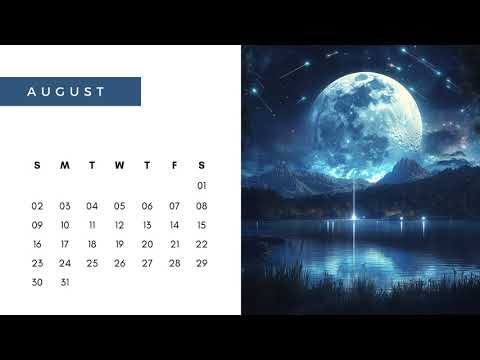
Imagine a calendar filled with the most mind-blowing snapshots of space. Each day, a different cosmic wonder pops up to remind you just how wild and beautiful our universe can be.
From swirling galaxies to the stunning glow of nebulae, these images are like little windows into the unknown. And who wouldn’t want a daily dose of that magic?
So grab your favorite mug of coffee or tea—and get ready to marvel at the universe!
Guidelines for Submitting Photos to Astronomy Picture of the Day (APOD): A Scientific Perspective
Submitting photos to the Astronomy Picture of the Day (APOD) is like trying to get your art hung in a prestigious gallery. The thing is, it’s not just about snapping a good pic; you want it to shine with scientific value too.
First off, make sure your photo has a story. APOD showcases images that not only look amazing but also educate people about astronomy. So think about what your image represents. Are you capturing the beauty of a nebula, or maybe showing off some cool astrophotography techniques? Every photo should have an accompanying explanation that gives context.
Now let’s talk quality. You can’t just whip out your phone and expect to be featured. Aim for high-resolution images—like really high, not the kind you’d get from an old flip phone! A good guideline is to keep the resolution above 1,000 pixels on the shortest side. If you’re working with telescopes, ensure you’ve got those details nailed down.
Also, originality is key. APOD appreciates fresh perspectives and new content instead of rehashing old favorites or popular vistas that everyone has seen a million times. Try capturing something unique or displaying familiar subjects in unexpected ways.
When you send in your submission, pay attention to how you frame it. This includes mentioning any collaborative efforts if you’re part of a team or using specific equipment or techniques that helped capture your image. It’s like giving credit where it’s due!
Provide technical details too! People love knowing what gear brought these stunning visuals to life. What camera did you use? What settings did you have? Did you do any post-processing? Sharing this helps others learn and appreciate the work involved.
A simple checklist for submissions could look like this:
- Your photo tells a story.
- High-resolution image.
- Original perspective.
- Acknowledge collaborators.
- Technical details included.
And hey, let’s not forget about rights and permissions! Make sure you’re clear about ownership and how others can use your work if they want to share it further down the road.
Lastly, embrace feedback! If your work doesn’t get picked at first, don’t sweat it—there’s always another chance. Photographers often refine their skills by understanding why certain images resonate more than others.
Being part of something as captivating as APOD can be incredibly rewarding; it’s like sharing a piece of the universe with everyone else. Plus, who wouldn’t want their work celebrated among astronomy enthusiasts across the globe? Just remember—the cosmos is vast and full of wonders waiting for your creative eye!
Understanding the Usage Rights of APOD Images in Scientific Research and Public Outreach
So, you’re curious about the usage rights of APOD images, huh? Well, the Astronomy Picture of the Day (APOD) is all about sharing the wonders of our universe. But with great beauty comes some important rules. Let’s break it down.
Image Rights
APOD images are typically created by different astronomers and artists. Each image might have its own set of rules on how it can be used. Most images come with a Creative Commons license, which usually allows for free use as long as you give proper credit to the creators.
Attribution
If you want to use an APOD image, you need to attribute it correctly. This means mentioning who created it and where you got it from. You know, like saying “Image by [Artist’s Name], via APOD” in whatever publication or presentation you’re using. It’s like saying thank you to the artist for their hard work!
Non-commercial Usage
And here’s a key point: many APOD images are meant for non-commercial use only. Basically, if you’re using them to educate or inform, especially for free, you’re mostly in the clear! But if you’re planning to sell something or make money directly off those images, that could get sticky.
Modification Rights
You might be thinking about editing those stunning pictures too. Some licenses allow modifications while others don’t! It’s super important to check what each license says first so you don’t run into trouble later.
Anecdote Time!
I remember once stumbling across an incredible image of a nebula while working on a project for my local astronomy club. It was breathtaking! I used it with proper credit in our newsletter and got tons of compliments from readers—all thanks to respecting that attribution rule!
Scientific Research
In scientific research contexts, these images can often be used in presentations and papers as visual aids—again with attribution. Just be sure that your institution or publisher allows this type of usage before diving in headfirst.
Overall, being respectful when using APOD images helps keep that amazing spirit alive—sharing knowledge without stepping on toes! Always read up on specific image licenses before using them; it’s just good practice and keeps our cosmic community thriving!
Exploring NASA’s Daily Image Releases: Frequency and Impact on Science Communication
NASA’s been sharing its stunning space images with the world for quite some time now. You might have seen some of these jaw-dropping photos pop up in your feed, and it’s pretty amazing what they’re doing. So, let’s break down this whole deal about NASA’s **daily image releases** and why they matter for science communication.
First off, NASA actually releases new images every day—seriously! These aren’t just any old pics; we’re talking about some of the most mind-blowing visuals from across the universe. From breathtaking nebulae to close-up shots of planets, each image tells a story about our cosmos. It’s like having a piece of the universe delivered to your inbox or social media feed each day!
Now, the frequency of these releases plays a key role in keeping science accessible and exciting. When you see something new every single day, it feels fresh and keeps you engaged. You’re not just reading dry facts; you’re connecting with something visual, something that ignites curiosity in people of all ages.
What’s cool is how this approach impacts science communication. Each image comes with explanations that are usually clear and straightforward. For example, they often include details about what you’re looking at—like when they released images from Mars or the intricate patterns of distant galaxies. This helps demystify complex concepts in astronomy and makes them relatable.
Another thing to consider is that these daily wonders foster a sense of community among space lovers. People from all over share their thoughts on these images online; it’s like joining a virtual astronomy club! Just like how I once shared an awe-inspiring picture of Saturn’s rings with my friends—they were blown away! And that kind of excitement is infectious, encouraging more people to get interested in science.
But here’s where it gets even better: by making these stunning visuals readily available, NASA can inspire the next generation of scientists and engineers. Imagine a kid scrolling through their feed and stumbling upon a gorgeous image of Jupiter—suddenly they’re hooked on space! It can spark dreams about becoming an astronaut or studying astrophysics or even just appreciating the beauty around them.
In summary, NASA’s daily image releases aren’t just pretty pictures—they’re powerful tools for engagement. They break the barriers between complex scientific ideas and everyday understanding while building a vibrant community around shared interests in exploration.
So next time you see one pop up online, take a moment to appreciate not just how stunning it is but also how it connects us all through our fascination with the universe! Isn’t it cool how something as simple as a daily picture can do so much?
You know, sometimes I just stop and look up at the night sky. The sheer vastness of it all? It kinda takes your breath away, doesn’t it? I mean, just think about what’s floating up there: stars, planets, galaxies… all that cosmic jazz. Well, there’s this cool thing called an Astronomy Picture Calendar. It’s a neat way to make those daily wonders of the universe a little more tangible.
Every day could be like a little window into space. You open it up and bam! You’re staring at the colors of a nebula or the rings of Saturn glistening like jewelry in the darkness. Pretty mind-blowing when you think about how far away these things are! I remember once when I got my hands on one of these calendars; each picture was more stunning than the last. There was one image of a supernova remnant that looked like someone had spilled paint all over the cosmos—bright reds and blues swirling together in such an unexpected harmony. That made me feel so small yet so connected to this grand universe.
The cool part? These images often come with stories behind them. Like, you get to learn about what you’re looking at—the science behind those celestial wonders—and it’s fascinating! Just imagining the light from those distant stars taking years to reach us is kind of surreal. You almost can’t help but feel that tingle in your spine when you realize you’re seeing history unfold right before your eyes.
And there’s this sense of community, too, when people share their thoughts on these pictures or even their own stargazing experiences. You realize that we all share this planet and this sky above us, no matter where we are. We’re under the same blanket of stars every night; it’s almost poetic if you think about it.
So yeah, having an Astronomy Picture Calendar is like getting a daily reminder that there’s so much more going on outside our little bubble down here on Earth. It encourages curiosity and ignites wonder—something we could all use more of in our busy lives! Plus, who doesn’t want some inspiration to dream big?