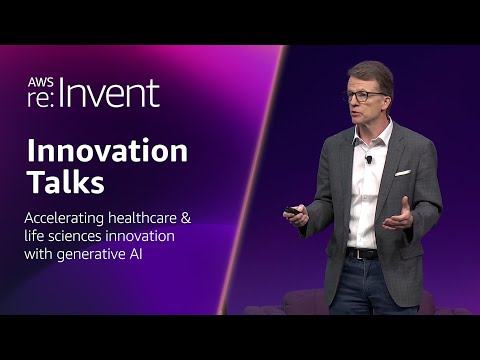
You know, the other day I was trying to explain to my buddy how scientists use tech to do all this wild stuff with life sciences. I mean, imagine a lab where you can sequence DNA faster than you can say “genome.” Sounds like something out of a sci-fi movie, right?
But that’s where AWS steps in. Seriously, they’ve got tech that helps researchers tackle some of the toughest puzzles in biology. It’s not just about fancy computers; it’s like giving scientists superpowers!
So, what does all this mean for health and medicine? Well, it’s huge. From speeding up drug discovery to analyzing tons of data without losing your mind, the advances are pretty mind-blowing.
Stick around, and let’s unfold this together! You might just see how tech is reshaping science in ways you never imagined.
Exploring AWS Life Sciences: Transforming Research and Innovation in Biomedical Science
AWS Life Sciences is kind of a game changer when it comes to the world of biomedical research. It’s all about using technology to help scientists advance their work, making it faster and more efficient. Picture this: a lab filled with researchers trying to analyze data from complex experiments. It can feel like trying to find a needle in a haystack, right? Well, AWS helps simplify that process.
When you think about AWS—Amazon Web Services—you might just picture cloud storage or web hosting. But hey, there’s so much more! In the context of life sciences, it’s like having an enormous toolbox packed with state-of-the-art technologies that researchers can tap into.
So, what exactly does AWS offer for life sciences? Let’s break that down:
- Data Storage and Management: Storing massive datasets is no joke! Researchers working on genomics or proteomics generate terabytes (that’s a lot of gigabytes!) of data. AWS provides scalable storage solutions that grow with your needs.
- Computational Power: Sometimes, you need serious computing power for heavy data analysis. Think about tasks like sequencing DNA or simulating molecular interactions. AWS offers options like EC2 (Elastic Compute Cloud) where you can access powerful servers when you need them.
- Machine Learning Tools: Imagine being able to predict outcomes or disease pathways using algorithms. AWS has tools specifically designed for machine learning that help scientists analyze trends in their data, which speeds up research.
- Collaboration: In science, teamwork is key! With cloud services, researchers from different parts of the world can collaborate seamlessly on projects without worrying about data sharing issues.This really opens doors for innovation!
Let me share a little story here. I once spoke with a researcher who was studying rare genetic disorders. He explained how traditional methods took ages to analyze patient data manually. After switching to AWS for some aspects of his work, he saw results in days instead of months! That speed is like rocket fuel for research.
AWS also puts emphasis on security because let’s be real—confidential patient data needs serious protection! They implement strong encryption and compliance measures so researchers can focus on their work without worrying about data breaches.
And let’s not overlook scalability! Research projects can start small but grow rapidly as findings get validated or funding increases. With AWS being so adaptable, labs don’t have to invest upfront in expensive hardware they may only use occasionally.
In summary, AWS Life Sciences isn’t just about technology; it’s reshaping how biomedical research gets done by making it faster and more efficient. Researchers now have access to an array of tools designed specifically for their needs—from storage to powerful analysis capabilities—which truly enhances innovation in the field.
So next time someone mentions AWS in relation to life sciences, remember: it’s not just tech jargon; it’s transforming how we understand health and disease!
Exploring the Future of AWS: Trends and Innovations in Cloud Computing for Scientific Advancements Over the Next Five Years
Well, let’s chat about the future of cloud computing, specifically AWS (Amazon Web Services), and how it’s making waves in the life sciences. You know, cloud computing is like having a giant filing cabinet up in the sky where you can store loads of data instead of filling your office with paper. And this is super useful for scientists who need to handle huge amounts of biological information.
1. Increased Data Storage and Management
One of the coolest trends is that AWS is always getting better at data storage. Life sciences generate massive datasets—from genomics to clinical trials— and managing all that can be a headache. AWS offers services like Amazon S3, which allows researchers to easily store and retrieve information without worrying about running out of space.
Imagine a researcher trying to sequence a new genome. They collect tons of data, but with AWS’s storage solutions, they won’t have to stress about where it all goes. It’s like upgrading from a shoebox to an entire warehouse!
2. Advanced Machine Learning Capabilities
Machine learning (ML) is another exciting area where AWS shines. Think about how ML can analyze complex datasets much faster than any human could ever do. It helps in predicting outcomes of drug trials or identifying potential biomarkers for diseases.
Just last week I read about a research team that used AWS’s machine learning tools to speed up their cancer research significantly! They trained models on thousands of genetic samples without needing an army of computers because they could leverage AWS’s powerful processing capabilities.
3. Collaboration Made Easy
Next up, collaboration among scientists around the globe has become a breeze with cloud technology. Different teams can work together on projects without needing to be in the same room—or even the same country! With tools like Amazon Chime or WorkDocs, sharing findings or preparing joint publications has never been simpler.
You might picture scientists sharing notes over coffee; well, now they can do it while simultaneously analyzing data from labs miles apart!
4. Innovation in Bioinformatics
Moving further into bioinformatics—an area critical for advancing personalized medicine—AWS is carving its niche here too. The platform supports various bioinformatics workflows that allow researchers to analyze DNA and RNA sequences more efficiently.
For example, researchers might utilize AWS Batch to automate their analysis processes across thousands of samples simultaneously! This not only saves time but also speeds up discoveries that could lead to groundbreaking treatments.
5. Enhanced Security Measures
Now let’s talk security because handling sensitive medical data comes with its own set of challenges! AWS isn’t slacking here either; they offer robust security features designed specifically for compliance with regulations like HIPAA (Health Insurance Portability and Accountability Act).
It’s kinda comforting knowing there are layers upon layers protecting your valuable research while still allowing you access whenever you need it—like having your cake and eating it too!
6. Global Reach with Edge Computing
Last but definitely not least is edge computing—this one’s pretty exciting! With researchers spread all over the world, having resources closer to them means faster responses and reduced latency when accessing data stored in the cloud.
For instance, using local servers at academic institutions connected back to AWS allows researchers conducting fieldwork in remote areas quick access to computational power without delays caused by distance—or say unreliable internet!
So yeah, it’s clear: AWS is paving a path for incredible advancements in life sciences. Over the next five years, we’re bound to see even more innovations transforming how we conduct research and push boundaries in health science fields—that giant filing cabinet just keeps getting bigger!
Unlocking Amazon’s Future: The Transformative Role of Quantum Computing in E-commerce Innovation
Amazon’s future is looking super interesting, especially when you throw quantum computing into the mix. So, what’s all the buzz about? Basically, quantum computing can make e-commerce way more efficient and innovative. Let’s break it down.
What is Quantum Computing?
Okay, so imagine your regular computer is like a super-fast librarian. It sorts through tons of information really quickly but uses classical bits that can either be 0 or 1. Now, quantum computers? They’re like those librarians who can magically read multiple books at once! They use qubits that can be both 0 and 1 at the same time, which means massive processing power.
Efficiency in Logistics
Now, think about how Amazon delivers millions of packages every day. With quantum computing, they could optimize their delivery routes in real-time based on traffic patterns or weather data. You know how it feels when you’re stuck in traffic? Imagine if Amazon could avoid that completely! Just by crunching numbers super-fast and figuring out the best way to send out deliveries.
Personalization of Customer Experience
Ever notice how Amazon seems to know exactly what you want? Well, with quantum computing, they could take personalization to a whole new level! It could analyze your shopping habits alongside millions of other customers’ habits simultaneously. Picture this: instead of just suggesting products based on your past purchases, it’s recommending items based on real-time trends and insights from countless other shoppers.
Data Security
Then there’s the whole issue of security. E-commerce deals with a ton of sensitive information – credit card numbers and addresses galore! Quantum computing promises new levels of encryption that are practically impossible to crack using classical methods. So all those late-night shopping sprees would feel a lot safer!
Innovations in Supply Chain Management
Also, managing supply chains is complex stuff that can be improved with these new technologies too. For example, with better data modeling thanks to quantum algorithms, Amazon could predict shortages in stock before they happen or even manage inventory more effectively across different warehouses.
The Future Looks Bright!
So yeah, the role of quantum computing in e-commerce is pretty exciting! Think about faster deliveries, hyper-personalized shopping experiences, stronger security measures… It’s all brewing on the horizon.
In short:
- Quantum computers: More powerful than traditional computers.
- E-commerce innovations: Better logistics and personalized experiences.
- Simplified supply chains: Improved inventory management.
- Tighter security: Enhanced protection for customer data.
You see? The future has a lot to offer if we leverage these amazing advancements in technology. It’s not just about buying gadgets anymore—it’s paving the way for a smarter shopping experience!
You know, as I was sitting down to think about how technology is changing the landscape of life sciences, my mind drifted back to my college days. I remember a late-night study session with friends, frantically scribbling notes about genetics and hoping we’d somehow memorize all the details. It was chaotic but exciting! We were just starting to understand how complex life was at a molecular level. And fast forward to now, it’s amazing how far we’ve come, especially with innovations like AWS technology.
So, what’s the deal with AWS in this context? Well, it’s kind of like having a supercharged toolbox for researchers. It allows scientists to manage massive amounts of data effectively. Think about it: every gene sequence, clinical trial result, and research paper generates data—lots and lots of it! And handling that without some serious computing power would be like trying to fill a swimming pool with a garden hose. AWS helps streamline everything.
You can visualize it: Researchers no longer have to wrestle with bulky servers or worry about storage space. Instead, they can focus on what really matters—the science! With cloud technology at their fingertips, they’re able to collaborate worldwide in real time. It’s like we’re all in the same lab together, even if one person is in San Francisco and another is in Tokyo.
There’s also something beautiful about how this tech is making life sciences more accessible. Remember when you had to drive to the nearest library for that one book? Now, information flows freely online. Innovations from AWS empower smaller labs and startups too – not just the big players with deep pockets. This democratization of research means more voices are heard and more ideas are explored.
But here’s the thing: while tech is advancing rapidly, let’s not forget the human element—our ethical responsibilities as we embark on this journey into uncharted territories of genetics and biotechnology. We need clear conversations around privacy and consent because these advancements should serve humanity as a whole.
In thinking about all this change, I feel hopeful for what lies ahead in life sciences. With tools like AWS paving the way for innovation after innovation—and honestly making everything simpler—it seems like just yesterday we were scribbling notes and hoping for breakthroughs that are now tangible realities! Exciting times ahead for sure!