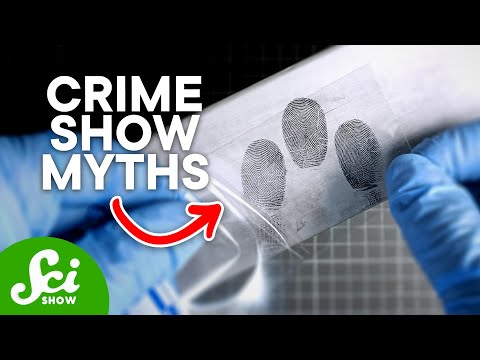
You know that feeling when you watch a crime show, and you think, “How do they even figure that out?” Seriously, it always blows my mind. One minute someone’s looking at a bunch of fingerprints, and the next, they’re arresting the bad guy.
Forensic science is like the unsung hero in all those dramatic moments. It’s not just cool gadgets; it’s actual science that helps solve real crimes. How wild is that?
Think about it: every time there’s a mystery to crack, forensic experts are behind the scenes piecing together clues, like detectives with lab coats! They use chemistry, biology, and even physics—like some kind of superhero squad, but with microscopes instead of capes.
And trust me—what they do goes way beyond TV drama. From analyzing hair samples to figuring out cause and manner of death, forensic science touches so many aspects of our lives. So buckle up! We’re gonna explore how these principles work in the real world.
Exploring Forensic Science: Definition, Applications, and Impact on Criminal Justice
Forensic science is like the bridge between science and law enforcement. Basically, it’s all about using scientific methods to help solve crimes. You know how in movies they always have that super smart detective? Well, forensic scientists are the real-life version of that. They use a mix of biology, chemistry, and technology to analyze evidence from crime scenes.
So what exactly does forensic science cover? It’s a broad field! Here are some key areas:
- DNA Analysis: This is where things get interesting. Scientists can extract DNA from blood, hair, or even skin cells found at a crime scene to identify suspects or victims. It’s like having a tiny fingerprint that tells you who someone is.
- Fingerprint Analysis: Fingerprints are unique to every person. By studying patterns in the ridges on someone’s fingers, forensic experts can link them to specific individuals. Think about those times you’ve touched something and left your mark—those prints can tell quite a story!
- Toxicology: This involves testing biological samples for poisons or drugs. Imagine a situation where someone falls ill suddenly; toxicologists can figure out if substances played a role in that.
- Ballistics: If firearms are involved in a crime, ballistics experts analyze bullet casings and trajectories. They can determine what kind of gun was used and how it was fired, which is super helpful in recreating events.
You may be thinking, “How does this all connect to real cases?” Well, let me tell you! Take the famous case of the “Golden State Killer.” For years, he evaded capture until forensic scientists used DNA evidence collected from crime scenes and matched it with genealogy databases—just like finding long-lost relatives! The impact was massive; it not only brought justice but also sparked discussions about privacy in DNA databases.
Forensic science isn’t just crucial for solving crimes—it also plays a big role in exonerating the innocent. There have been many cases where individuals wrongfully convicted were cleared thanks to new forensic techniques proving they weren’t even at the scene of the crime. That’s why advancements in this field matter!
The thing is, while forensic science has revolutionized criminal justice systems globally by providing strong evidence for both prosecution and defense, it’s not foolproof. Misinterpretations or contamination can lead to wrong conclusions—lucky for us that there’s ongoing research aimed at refining these techniques.
So yeah, forensic science is pretty amazing! It helps piece together puzzles no one else can solve—like a giant jigsaw where every little piece counts toward getting justice served right!
Understanding the Rule of 12 in Forensic Science: Key Principles and Applications
Alright, let’s break down this whole Rule of 12 thing in forensic science. It’s pretty cool how the world of crime-solving uses some solid principles, you know? The Rule of 12 comes into play when we’re talking about estimating the time since a person has died. It’s not just like flipping a switch to find out when someone kicked the bucket; it’s more nuanced than that.
So, what is the Rule of 12? Well, it basically states that for every hour after death, a body cools down at about one degree Fahrenheit. This cooling might sound simple, but it’s super important for forensic experts trying to pin down the time of death.
Now, picture yourself playing detective like in those crime shows where they analyze every detail. When a body is found, the initial step is to measure its temperature. If you find someone and they’re cold to the touch—let’s say around 80 degrees Fahrenheit—you could use that info along with the surrounding conditions to start estimating how long ago they passed away.
Here’s where it gets interesting:
- Environmental Factors: Things like room temperature or even what clothes they’re wearing can change how fast they cool down.
- The health of the deceased: Someone with a fever or those who are very fit might retain heat differently than others.
- The setting: A body found outside on a chilly day would cool off way quicker than one in a warm room.
So imagine you see a body that feels kinda cold but not freezing. You’d think back to what we know from the Rule of 12 and consider those factors I just mentioned. You might guess that this person has been gone for several hours but add that little twist because it’s not always straightforward.
Now let’s talk about why this matters beyond just ticking off boxes in an investigation. Forensic scientists use these principles as part of bigger procedures involving crime scene analysis. They’ll look at other signs too—like rigor mortis (that stiffening thing) or livor mortis (the pooling blood)—to create a fuller picture.
Think about it: if detectives suspect foul play, nailing down an approximate time frame helps them figure out who might’ve been involved and when they had access to the victim. If someone says they were at home all night but evidence suggests the death occurred earlier based on cooling rates? Well, that’s a big red flag!
In doing all this work, forensic experts also have to be careful—the human body doesn’t always play by strict rules due to all sorts of variables! So while the Rule of 12 is solid guidance, it’s just one piece of a larger puzzle.
In summary, understanding this rule offers critical insights into determining time since death which ultimately assists law enforcement in solving cases effectively! It’s amazing how something as basic as temperature can contribute so much to bringing justice and closure for families affected by loss and tragedy!
Exploring the Impact of Forensic Science on Daily Life: Applications Beyond the Crime Scene
Forensic science is often linked to crime scenes, you know, like those thrilling TV shows. But its influence goes way beyond just solving mysteries. Seriously, it touches everyday life in ways you might not even think about!
First off, let’s chat about how forensic science pops up in legal matters. When a court case comes up, forensic experts analyze evidence to help make sense of what happened. They look at fingerprints, DNA, and even blood splatter patterns. These findings can determine if someone is guilty or innocent! That’s a huge deal because it can change lives forever.
Then there’s the world of **environmental forensics**. This field helps identify pollution sources and track down environmental crimes. For example, if chemicals are leaking into a river, forensic scientists can analyze samples and pinpoint where the contamination came from. Pretty cool, right? It’s all about protecting our planet and its resources.
Another area that might surprise you is **forensic anthropology**. You’ve probably heard of it when they dig up bones from an old site or identify remains after disasters. But did you know it also helps in identifying victims of mass disasters or locating missing persons? These specialists study skeletal remains to provide crucial information about age, sex, and ancestry—stuff that helps bring closure to families.
And don’t forget about **forensic psychology**! It plays a vital role in understanding criminal behavior and mental health aspects related to crimes. Psychologists work with law enforcement to assess suspects or witnesses’ reliability and motives. This insight helps shape investigations and trials.
Let’s not skip over **forensic odontology**, which deals with dental records! Sounds odd? Well, think about it: teeth are unique to each person—like a fingerprint made of enamel! If someone goes missing or meets an unfortunate end where identification is tough, dentists step in to match dental records with remains.
In today’s world filled with technology, forensic science also joins the mix through **digital forensics**. This deals with computers and smartphones—basically everything digital! Investigators recover deleted files or trace online activities tied to criminal cases. With our lives so tech-driven now, this part is becoming super important!
Lastly, consider how forensic science educates us on safety products like car seats or toys for kids. Scientists conduct tests on these items for potential hazards using principles from materials analysis and toxicology—keeping our little ones safe as they play!
So next time you hear “forensic science,” think bigger than just crime-solving dramas on TV! It has real-world applications all around us that help ensure justice—and safety—in countless ways every day!
You know, forensic science has this almost magical way of making the past talk. I remember watching a crime show as a kid, totally engrossed in how they pieced together clues like a puzzle. It got me thinking about all the fascinating stuff that goes into solving mysteries, and it turns out, there’s a whole world of science behind it!
Basically, forensic science is all about applying scientific methods to investigate crimes. Think of it as the ultimate detective toolkit. You’ve got everything from analyzing fingerprints and DNA to examining blood spatter patterns. Each piece of evidence tells a story—it’s like each clue is whispering secrets from the scene of the crime.
And can we talk about DNA for a sec? This molecule is like the superhero of forensic science! It’s unique to each person (except identical twins, but let’s not overcomplicate things here). When investigators find even the tiniest bit of DNA at a crime scene—like a hair or skin cell—they can compare it to samples from suspects or victims and potentially crack open an entire case. It’s wild.
But here’s where it gets real: the implications go way beyond just catching bad guys on TV. Forensic science helps exonerate innocent people too! There have been cases where new DNA testing methods freed individuals locked away for years. That gives me chills—knowing that science can right those kinds of wrongs is powerful.
Real-world applications? Oh man, they’re everywhere! Take accident reconstruction; experts analyze crash scenes to figure out what went down during an incident. Or consider how forensic anthropology helps identify human remains when no one knows who they are anymore. It’s tough work but incredibly impactful.
In today’s world with technology advancing so fast, forensic techniques are evolving too! Imagine using 3D printing to recreate crime scenes or employing artificial intelligence to sift through mountains of data looking for patterns. The future looks bright and I think it’ll keep changing how we solve crimes.
So, yeah! Forensic science isn’t just about solving crimes on some TV show; it’s real-life heroes tackling some heavy stuff with smarts and compassion. It makes you appreciate the dedication behind gathering truth from chaos—and who wouldn’t find that inspiring?