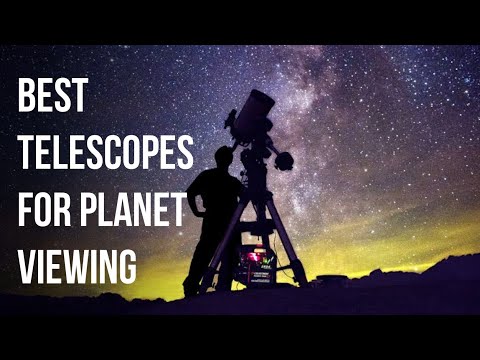
So, picture this: you’re outside on a clear night, and you see the moon shining bright. You think, “Wow! That looks cool.” But what if I told you there’s a whole universe out there just waiting for you to explore it? Seriously!
I remember as a kid, my dad took me out one night with this old telescope. The moment I looked through it and saw the rings of Saturn? Mind blown! I mean, who knew we could see something so far away? It was magical.
Fast forward to today, and telescopes have come a long way. From fancy gadgets to user-friendly ones that make stargazing easy peasy. So whether you’re an aspiring astronomer or just curious about what’s up there, let’s chat about some awesome telescopes that can kick off your own little adventure in space exploration from home. You’ll want to grab some popcorn—this is gonna be fun!
Step-by-Step Guide to Building a Powerful Astronomical Telescope at Home: Unlocking the Wonders of the Universe
Building an astronomical telescope at home can be an exciting journey into the night sky. Seriously, there’s something incredibly fulfilling about peering through your own creation and seeing the wonders of the universe unfold before your eyes. Imagine looking at craters on the moon or the rings of Saturn—it’s breathtaking!
1. Gather Your Materials
The first thing you need to do is collect your materials. You’ll want a few essential components:
- Telescope Tube: This can be made from cardboard, PVC, or even a sturdy plastic tube.
- Lenses: You’ll need an objective lens (the big one at the front) and an eyepiece lens (the small one you’ll look through).
- Mounting: A simple tripod or some sort of stable base is crucial to keep your telescope steady.
- Tools: Think about scissors, glue, duct tape, and maybe a saw if you’re using wood.
2. Build the Tube
Now, when you have your tube ready, make sure it’s long enough to allow light to travel and create clear images. But how long should it be? Well, generally speaking, longer tubes allow for better visibility. You could aim for around 1-1.5 meters for good results.
3. Insert Lenses
Next up are those lenses! The objective lens, ideally with a larger diameter (like 50-100 mm), goes at one end of the tube—this gathers light from distant celestial objects. Then there’s your eyepiece lens; this typically has a shorter focal length and is placed at the other end of the tube where you’ll peek through.
4. Create a Mounting System
This part can be tricky but important! You want to mount your telescope in such a way it can move smoothly—so you can follow objects in the sky as they drift by due to Earth’s rotation. A simple altazimuth mount lets you move up/down and left/right pretty easily.
5. Find Your Location
Location is key! Set up away from city lights; think about heading out to that park nearby or finding a spot on your rooftop—just somewhere dark! The less light pollution there is, the better chance you’ll have of seeing faint objects like galaxies and nebulae.
A Quick Anecdote!
Not too long ago, I was out with my DIY telescope on a chilly night when I spotted Jupiter! I couldn’t believe it—I was literally seeing its bands and moons through my own creation! It felt like I had unlocked secret knowledge only astronomers knew before.
Tuning Your Telescope
Fine-tuning might take some time—try different lenses or adjust how you hold everything together until things feel just right for viewing asteroids or star clusters.
In short, building an astronomical telescope isn’t just fun; it’s also another way to connect with our universe’s mysteries! So grab some materials and get started—you never know what cosmic wonders await you just outside your door!
Exploring the Cosmos: Viewing Galaxies with a Home Telescope
When you think about exploring the cosmos, it might seem like something only professional astronomers get to do. But seriously, with a good home telescope, you can really dive into the wonders of our universe right from your backyard!
First off, let’s chat about what you can actually see. Galaxies are these massive collections of stars, gas, and dust swirling in space. There are billions out there! A popular one to start with is the Andromeda Galaxy. It’s the closest spiral galaxy to us and pretty visible without a telescope on clear nights. But through a telescope? It’s a whole different game!
So, if you’re thinking about getting a telescope for stargazing, here are some things to consider:
- Size and Type: You’ll usually find refractor or reflector telescopes. Refractors use lenses; reflectors use mirrors. Each has its perks—reflectors tend to give better views of faint objects like galaxies.
- Aperture: This is the diameter of the telescope’s main lens or mirror. Bigger apertures gather more light, making it easier to see distant galaxies clearer.
- Mounting: Stability is key if you want good views! Look for mounts that can smoothly track celestial objects across the sky as Earth spins.
Now, when I was young and just starting in astronomy, I remember one chilly night looking through my dad’s old telescope. I was expecting just some fuzzy blobs when I spotted Andromeda for the first time. It felt surreal seeing this immense structure glowing faintly in the distance. That moment sparked my curiosity in science like nothing else—just imagine experiencing that yourself!
And speaking of experiences, let’s talk about how to actually observe these amazing galaxies.
First things first: pick a dark location away from city lights if you can—a backyard works fine too if it’s not too bright! The darker your surroundings, the better your views will be.
Then comes timing and conditions; going out on calm nights with clear skies makes everything so much easier. You don’t want clouds messing with your starry dreams!
Also, remember patience is your friend here. When you look into your telescope for the first time at something like M33 (the Triangulum Galaxy), it might just look like a smudge at first glance—not much excitement there! But keep adjusting focus and take time—your eyes will slowly adapt to see more detail.
Finally, track down cool resources online or apps that help identify constellations and galaxies in real-time; they often give tips on where to point your telescope based on what’s up in the sky during certain months.
So yeah, exploring galaxies from home isn’t just possible—it can be incredibly rewarding! With some practice—and maybe even some friends by your side—you’ll likely uncover stunning cosmic secrets right from where you live. Just think: every tiny dot you’re staring at could potentially hold billions of stars waiting patiently for someone curious enough to take a closer look!
Exploring the Night Sky: Viewing Planets with a 70mm Telescope in Astronomy
Exploring the night sky can be such a thrilling adventure! Seriously, when you look up and see those twinkling stars, it kind of makes you feel small, doesn’t it? And if you’ve got a 70mm telescope in your hands, well, you’re in for a treat.
First off, let’s talk about what you can actually see with a 70mm telescope. This size is perfect for beginners. You can easily spot **planets like Jupiter and Saturn**. They become these little wonders that just beg to be observed. Jupiter will show you its bands of clouds and maybe even some of its moons if you’re lucky! Saturn? Oh boy! The rings are just amazing!
Now, viewing planets isn’t just about pointing your scope at the right spot. You need to consider a few things:
- Location: Find an area away from city lights. Light pollution totally messes with your view.
- Timing: Check when the planets are visible. Some may only show up during certain months.
- Weather: Clear skies are your best friend here. Cloudy nights will make everything look fuzzy.
Setting up your telescope is another fun part! Just make sure it’s stable so that it doesn’t wiggle around while you’re trying to focus on something distant. This will help you maintain a clear image.
Now, looking through the eyepiece can sometimes be tricky. You’ll want to adjust the focus until everything looks sharp and clear—kinda like tuning a guitar before playing music! Don’t get frustrated if it takes a few tries; that’s all part of the learning curve.
When diving into planetary observation, take notes about what you see! I remember my first time spotting Jupiter; I was practically jumping up and down in my backyard! Keeping track of different features you notice or any changes over time helps deepen your understanding.
And let’s not forget about some cool little gadgets that might enhance your experience:
- Smartphone Adapters: Attach your phone to the telescope for photos or videos.
- Star Maps or Apps: Use them to identify constellations and planets.
So imagine this: one night under a blanket of stars, telescoping away with friends or family while sharing what each planet looks like—it’s not just about science; it’s also about connecting with people and creating memories!
In conclusion, owning a 70mm telescope opens up vast cosmic wonders right from home. With practice, patience, and passion for astronomy, you’ll find yourself navigating through the universe’s marvels before you know it! How exciting is that?
You know, it’s kind of amazing how something as simple as a telescope can open up a whole universe of learning right in your backyard. I remember the first time I looked through one. It was my uncle’s old tube-shaped thing, perched awkwardly on a rickety tripod. We had it set up during one of those clear summer nights, and when I finally took a peek, I was blown away. The craters of the moon! They looked so real and close that for a moment, I was sure I could reach out and touch them.
So, okay, let’s talk about why having your own telescope at home can spark some serious curiosity about the universe. First off, it encourages you to step outside and actually look at the night sky instead of scrolling through your phone or binge-watching another show. You get to discover constellations and planets firsthand, which is way cooler than reading about them in a book.
Now, not all telescopes are created equal. Some are super fancy with tons of gadgets that might intimidate you at first glance—like those high-tech computerized ones that track celestial objects for you. But honestly? You don’t need to dive headfirst into the expensive stuff right away unless you’re really serious about astrophotography or something like that.
So what do you really need? A good beginner’s telescope should be easy to use but still fun enough to keep you engaged over time. There are plenty out there—some portable models let you take them on camping trips or simply set them up in your yard. Think reflectors or refractors; they each have their charms! Reflectors tend to be more powerful for the price, while refractors can give beautiful images but sometimes come with a bigger price tag.
And here’s something else: when you’re peering through that eyepiece trying to see Mars or even just spotting Jupiter’s moons for the first time—it’s like stepping into someone’s shoes who lived hundreds of years ago. Those astronomers looked up at the same sky! It feels like connecting with history in real-time.
Plus, using telescopes can lead you down rabbit holes of research—you’ll find yourself reading articles or watching videos on how stars form or why we have seasons. Connecting science with an actual experience makes it stick in your mind way better than any textbook ever could!
So if you’re thinking about getting into this whole stargazing thing—and trust me, it’s totally worth it—pick one that feels right for you and fits your budget too! Just step outside on a clear night with your new gadget and prepare for some serious awe as you gaze at the cosmos above.