Okay, so imagine this: you’re knee-deep in a mountain of research papers, trying to find that one nugget of gold that’ll save your project. Frustrating, right? Yeah, we’ve all been there.
Now, what if I told you technology has your back? Seriously! Big data is like that super-smart friend who always remembers random facts at parties. It can help us make sense of all that info overload.
Knowledge management in science isn’t just some boring admin task anymore. It’s a game-changer! It’s about wrangling all that data into something useful and manageable.
But how do we even begin to tackle this massive beast called big data? Let’s chat about it!
Exploring the 5 C’s of Big Data: Key Concepts in Data Science and Analysis
Big Data is like a treasure trove of information just waiting to be explored. The 5 C’s of Big Data—Volume, Velocity, Variety, Veracity, and Value—really help us understand how to harness this data in a more effective way. Let’s break these down!
Volume refers to the sheer amount of data out there. Think about all those tweets scrolling by on Twitter every second or the millions of images uploaded every minute. In science, researchers generate tons of data from experiments and studies every day. You could fit an astonishing amount of that data into a warehouse!
Then we’ve got Velocity, which is all about speed. It’s not enough for data to just exist; it needs to be processed quickly too! For example, real-time streaming data from sensors can give scientists instant feedback. Imagine monitoring weather patterns as they happen! This fast-paced flow helps researchers make timely decisions.
Now let’s talk about Diversity, or Variety. This one is super interesting because it highlights the different types of data we deal with. You’ve got structured data—like numbers in a spreadsheet—and unstructured data like emails or even videos. A scientist might analyze both types when researching something complicated like climate change impacts.
Veracity addresses the accuracy and trustworthiness of the data. Not all sources are reliable—you know what I mean? Some info can be misleading or flat-out wrong! Scientists need to filter through and validate their sources before they can trust the findings.
Lastly, there’s Value. This is where everything comes together. It’s not enough to just have heaps of data; it needs to provide insights that matter! Scientists strive to extract meaningful knowledge from Big Data so they can advance their fields—whether it’s improving medical treatments or understanding ecosystems better.
So yeah, working with Big Data in science has its challenges but also huge potential! Each “C” plays a vital role in how knowledge gets managed and utilized effectively. And isn’t that what it’s all about? Making sense of all that information to improve our world!
Leveraging Big Data in Scientific Research: Transforming Discovery and Innovation
Big Data is kind of like the superhero of the science world right now. You know, it swoops in and saves the day by providing massive amounts of information that researchers can use to make groundbreaking discoveries. So, where does this data come from? Well, it’s generated from all sorts of places like social media, online transactions, sensors, and even medical records. Basically, we’re drowning in info—and that’s a good thing!
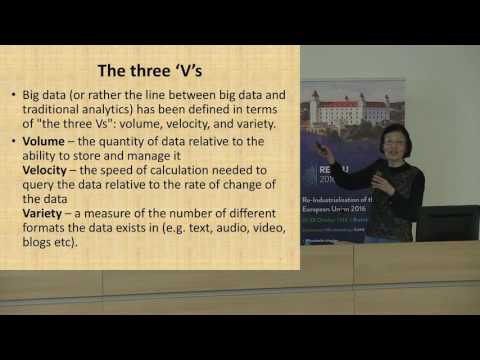
Now, let’s talk about what makes Big Data so special. It’s not just about having a ton of numbers. It’s about three key properties: volume, variety, and velocity. Volume means there are huge amounts of data out there; variety refers to the different types (like text, images, or video); and velocity is all about how fast this data comes in. Think about social media posts flying in every second or sensor readings from a busy city—it’s ongoing!
When scientists want to leverage this data for research, they often use sophisticated tools that analyze trends and patterns. For instance:
- Molecular Biology: By crunching genomics data from thousands of samples at once, researchers can identify genetic markers for diseases much faster.
- Climate Science: Major climate models incorporate varied datasets—from satellite imagery to ocean temperatures—to predict weather patterns accurately.
- Public Health: Massive datasets can track disease outbreaks in real time by analyzing social media feeds and health records simultaneously.
Let’s say you’re studying cancer treatments. Instead of looking at a small group of patients’ responses to a drug over years (which takes forever), you could analyze data from thousands who’s used it before—like their health records and treatment outcomes—to find what works best! This is game-changing stuff.
But it isn’t all sunshine and rainbows; there are challenges too. With great power comes great responsibility—or so they say! Privacy concerns pop up when dealing with personal data. Imagine someone sifting through your medical records; yikes! That’s why researchers have strict guidelines they need to follow.
Also, there’s the risk of getting lost in all those numbers! Sometimes the results can look important but might not actually tell us anything meaningful if not handled right. So yeah, handling Big Data is like walking a tightrope—it requires balance.
To sum up this whole big picture: leveraging big data has transformed scientific research into more efficient systems that accelerate discovery while raising some ethical concerns that need attention. And as you think about the future—oh man—it’s exciting! The potential is unlimited as long we navigate wisely through both its promise and challenges.
So next time you hear someone mention Big Data in science research, remember that it’s not just nerdy jargon; it’s seriously reshaping how we discover new things every day! And who knows what tomorrow’s breakthroughs will look like?
Exploring the Four Types of Data in Data Science: Essential Insights for Scientific Research
Data science is like a treasure map for scientists, guiding us through the vast landscape of information. But not all treasure is the same, right? There are four main types of data we work with, and each brings something unique to the table. Let’s dig into these types!
1. Structured Data
This kind is super organized and easy to analyze. Think of a spreadsheet with rows and columns. Each entry has a precise format—like your name, age, or test scores. For researchers, this means you can easily crunch numbers and pull insights quickly.
2. Unstructured Data
Well, this one’s a bit messier! Imagine your social media feeds or handwritten notes—no clear structure at all! Unstructured data can include text, images, audio, or video files. It’s like trying to find a needle in a haystack but can hold rich insights when analyzed correctly. Scientists might use tools like natural language processing to sift through mountains of text for relevant info.
3. Semi-Structured Data
So here’s where it gets interesting! Semi-structured data is kind of between structured and unstructured. Think XML or JSON files—there are tags that help organize the information but not in a strict tabular format. Researchers often encounter this when dealing with complex datasets from APIs or web scraping.
4. Time-Series Data
Now we’re talking about data collected over time. This type is crucial for capturing trends and patterns in areas like environmental monitoring or health research. If you track daily temperatures for years, that’s time-series data! It helps scientists see changes over time—you know, what’s heating up or cooling down.
In scientific research, harnessing big data is essential for effective knowledge management because it allows you to combine these different types of data into powerful analyses. Imagine being able to visualize climate change by merging unstructured social media narratives with structured weather records! This blend enhances understanding and leads to better decision making.
Your research projects can benefit greatly from knowing how to handle each type of data effectively:
- Structured: Use it for quick calculations and databases.
- Unstructured: Apply methods like AI for deeper insights.
- Semi-Structured: Perfect for situations needing flexibility in formats.
- Time-Series: Essential for analyzing changes over time.
In short—and without overcomplicating things—the four types of data greatly influence how we approach our inquiries in scientific research. The more adept you become at utilizing each type effectively, the more significant strides you’ll make in generating valuable knowledge in your field!
So, you know how we live in a world filled with, like, tons of information? Every day, there’s an ocean of data being created—scientific studies, research papers, and even social media chats. Big Data is this massive collection of that information, and it’s kind of a game changer for science. Seriously!
Imagine you’re in a big library—but instead of just books neatly aligned on shelves, everything’s all jumbled up. How do you find the info you need quickly? That’s where effective knowledge management comes into play. It’s like sorting out that messy library: you want to categorize the research so that scientists can easily find and use it. But here’s the kicker—Big Data makes that process way smoother.
Here’s a little story for you. A few months ago, I was chatting with a friend who works in environmental science. She told me how they’d struggled to get enough data about climate change impacts because they had too many sources but not enough organization. Then along came some fancy algorithms powered by Big Data analysis dude! These tools helped her team sift through mountains of information in no time flat. Instead of drowning in numbers, they could finally see patterns emerging and make conclusions that actually mattered.
But it isn’t all sunshine and rainbows. Harnessing this big ol’ beast called Big Data isn’t easy-peasy either. There are issues with privacy and ethics lurking around like unexpected plot twists in a movie. You wouldn’t want sensitive info getting mishandled or misinterpreted.
In the end though, when used right, Big Data can be like having a superpower for scientists—it helps them connect dots quicker than ever before! So next time you hear “Big Data,” remember it’s not just about huge volumes; it’s about turning that chaos into knowledge that can help us tackle the big questions facing humanity today. And what could possibly be more exciting than using all that info to solve real problems? It’s like having a secret weapon for innovation!