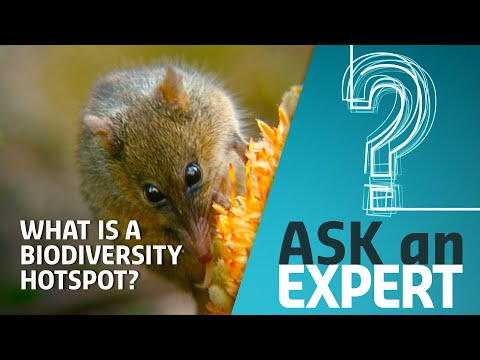
Did you know that some places on Earth are like nature’s VIP lounges? Seriously! They’re called biodiversity hotspots, and they’re packed with all sorts of amazing plants and animals.
Imagine walking through a lush rainforest, where every step reveals something new and surprising. One minute you might stumble upon a bright blue frog, the next, a tree with bark as smooth as a baby’s bottom. Crazy, right?
But here’s the thing: these spots are super important for conservation. They’re like fragile treasures holding so much life, yet they’re under threat from us humans. Have you ever thought about how crucial it is to protect these unique places? Spoiler alert: it really is!
So let’s chat about what makes these hotspots special and why we should care about them.
Understanding Biodiversity Hotspots: Their Importance for Conservation and Ecosystem Health
Biodiversity hotspots are these incredible places on Earth that are just bursting with unique plant and animal life. To qualify as a hotspot, an area must have at least 1,500 species of vascular plants as endemics, which means they only grow in that specific location. Plus, it also has to be under serious threat from human activities.
Why should you care about these hotspots? Well, biodiversity is super important for maintaining healthy ecosystems. Healthy ecosystems provide us with clean air, water, food, and even medicines. Basically, biodiversity is like the foundation of life on Earth.
Let’s break down why biodiversity hotspots matter so much:
- High Species Richness: These areas boast an incredible variety of species. For instance, the Amazon rainforest is known for its staggering number of species from insects to mammals. It’s like a treasure chest full of life!
- Unique Ecosystems: Many hotspots contain ecosystems you won’t find anywhere else. The Madagascar rainforest is one such example; it’s home to lemurs and chameleons that exist nowhere else on the planet.
- Conservation Priorities: Because they’re so rich yet threatened, hotspots are crucial for conservation efforts. Protecting them can mean saving countless species from extinction.
- Ecosystem Services: Hotspots often provide valuable services like pollination of crops or purification of water. When you protect these areas, you’re also investing in our own health and wellbeing.
- Cultural Significance: Many local communities depend on these hotspots not just for resources but for their cultural heritage. These areas can be intertwined with their history and identity.
The thing is, while hotspots are crucial to our planet’s health and diversity, they’re also at severe risk due to deforestation, climate change, and pollution. You might remember hearing about how rainforests get chopped down for agriculture or development? That’s a direct hit on biodiversity!
One emotional aspect here is how communities that rely on these ecosystems can suffer when they’re depleted. Imagine families who have lived near a vibrant forest for generations suddenly losing access to its resources—it’s heartbreaking.
Biodiversity hotspots remind us how intertwined we are with nature. By focusing conservation efforts there, we stand a better chance of keeping our planet lively and healthy—for both us and future generations.
So next time someone mentions biodiversity or conservation efforts, just think about those amazing hotspots around the world that need our help! Let’s keep this beautiful planet thriving together!
Understanding the Hotspot Approach to Conservation: A Key Strategy in Biodiversity Science
The Hotspot Approach to conservation is a big deal when it comes to saving our planet’s biodiversity. Basically, this strategy focuses on specific areas that are super rich in unique plants and animals but are also facing serious threats. Think of these hotspots as nature’s VIP lounges.
Why do we pay attention to these hotspots? Well, you see, they cover just a small fraction of the Earth’s surface but support an amazing number of species. When you look at biodiversity, it’s all about variety! These regions often have a ton of endemic species—those plants and animals that can only be found in one place on the planet. Imagine an animal so rare that its entire existence hangs on just one tiny patch of land! That’s why conserving these hotspots is like going for the gold in protecting biodiversity.
Now, let’s get into some key elements of this approach:
- Criteria for Hotspots: To qualify as a biodiversity hotspot, an area must contain at least 1,500 species of vascular plants as endemics and have lost at least 70% of its original habitat. So it’s not just any pretty place; it needs serious biodiversity along with some serious threats.
- Global Examples: You might have heard of places like the Amazon Rainforest or Madagascar. These are famous hotspots known for their incredible range of species—from colorful frogs to unique lemurs that can’t be found anywhere else!
- The Importance: Conservation in these areas isn’t just about saving cute animals or pretty flowers—it’s crucial for human life too. Healthy ecosystems provide us with clean air, water, and even medicine we rely on.
- Community Involvement: It’s not all about scientists swooping in with fancy gear. Local communities play a huge role! They’re often the ones who know the land best and can help with sustainable practices.
You know what else is interesting? The idea behind focusing on hotspots is that by protecting these vital areas, you create a ripple effect. If you save one hotspot, you’re likely helping multiple species beyond its borders through ecological connections.
But wait—there’s more! There’re practical strategies involved like setting up protected areas or encouraging sustainable land use practices around these regions. Look, without proper management and respect for local ecosystems, even hotspots can fall victim to habitat destruction or climate change.
Here’s a personal anecdote: once while hiking in Costa Rica—a legendary hotspot—I stumbled upon this tiny trail leading to an untouched waterfall surrounded by lush greenery. It was magical! Seeing wildlife up close reminded me how precious those ecosystems are and how necessary conservation efforts really are.
In short, the Hotspot Approach isn’t just another tactic; it’s about prioritizing our conservation efforts where they’ll make the biggest impact… kinda like putting your money where your mouth is when it comes to protecting life on Earth!
Exploring Biodiversity Hotspots: Key Examples and Their Ecological Significance
Exploring biodiversity hotspots is like taking a walk through nature’s most vibrant neighborhoods. These places are brimming with life, and they play a crucial role in keeping our planet healthy. So, what’s a biodiversity hotspot, you might ask? It’s an area that has a significant amount of unique species and is experiencing habitat loss. Basically, these regions are super important for conservation efforts.
Why are biodiversity hotspots so special? They house a considerable percentage of Earth’s species in just a tiny fraction of the planet’s surface. For instance, just 2.3% of the Earth’s land area fits this description—but they contain more than half of the world’s plant species as endemics. Endemics are species that can only be found in that specific area, which makes their conservation critical.
Let’s break it down with some examples:
Now let me share something personal—last summer I visited a small botanical garden specializing in native plants from my region. Among all those vibrant flowers, I learned about their roles in supporting local birds and insects. It was like lightbulbs went off in my head; each plant wasn’t just pretty—they were part of an intricate web keeping everything alive!
But here’s where it gets serious: these hotspots are under threat from various activities like logging, agriculture expansion, and climate change. Every time we lose part of these ecosystems, we might also lose species before even knowing they exist!
Conservation efforts focus not only on protecting these areas but also restoring damaged ecosystems nearby. By designating protected areas or encouraging sustainable practices within communities around them, we can help preserve both biodiversity and our own future.
So next time you hear someone mention biodiversity hotspots or see cool documentaries about them remember—they’re not just pretty places; they’re vital lifelines for our planet’s health and our own well-being! Taking care of these spots benefits us all!
So, biodiversity hotspots, huh? Those special places on our planet where life just explodes in variety and creativity. They’re not just pretty to look at; they actually play a huge role in keeping our ecosystems healthy and balanced. I remember my trip to Costa Rica a few years back. Walking through the lush rainforest, surrounded by colorful frogs and exotic plants, I couldn’t help but think about how vital these areas are—not just for the wildlife living there but for us too.
Basically, a biodiversity hotspot is a region that has a lot of different species—think thousands of unique plants and animals—along with some serious threats like habitat loss. To qualify as one, it needs to have at least 1,500 species of vascular plants as endemics (that means they’re found nowhere else). Oh, and it also needs to have lost at least 70% of its original habitat. That’s pretty intense!
These hotspots are like treasure chests full of genetic diversity. And why does that matter? Well, more diversity means more chances for resilience against diseases or climate change. If all plants were the same and one got sick, we could really be in trouble. It’s like putting all your eggs in one basket—never a good idea.
But here’s where it gets tricky: while we recognize their importance, many hotspots are under seriously heavy pressure from human activities like deforestation, agriculture expansion, and pollution. You can almost feel the tension when you think about it; beautiful environments being taken down for short-term gains. There was this moment in Costa Rica when I was standing on the edge of a cliff overlooking the ocean at sunset—so stunning! But then I learned about how development plans were threatening that beauty. It really hit me; we often take nature’s wonders for granted until it’s almost too late.
Conservation efforts here aren’t just about saving cute animals or pretty flowers (even though that’s part of it!). We’re talking about preserving entire ecosystems that support life as we know it—even ours! And protecting these hotspots means helping local communities manage resources sustainably so they can thrive alongside nature.
So yeah, you see the significance? It’s not just another environmental buzzword; it’s essential to life on Earth! We need to care about biodiversity hotspots not only for their unique charm but because they are pivotal in maintaining ecological balance—and ultimately our own survival too.