Have you ever thought about how your favorite snacks are made? Like, seriously, those chips you munch on while binge-watching your favorite show? Well, there’s a whole science behind it!
Bioprocessing engineering is kind of like that secret sauce. It takes natural resources, like plants and even microorganisms, and turns them into something amazing—like biofuels or medicines.
Imagine turning trash into treasure. Sounds cool, right? That’s what these engineers do. They use living things to create sustainable solutions for our planet’s problems. Seriously, they’re like eco heroes in lab coats!
So let’s dig into this world where biology meets engineering. It’s all about making things better for us and the Earth. Excited yet? Me too!
Exploring the Future of Bioprocess Engineering: Innovations and Trends in Science
Bioprocess engineering is like the behind-the-scenes magic of converting raw materials into valuable products, thanks to biological systems. So, let’s dig into what’s happening in this field and where it’s headed.
The big idea here is sustainability. With climate change and resource depletion, using biology to create solutions is more critical than ever. This isn’t just about making stuff but doing it in a way that doesn’t harm our planet. Think about how much waste we generate daily; bioprocessing can transform food scraps into biofuels or even biodegradable plastics. Isn’t that neat?
Now, let’s talk about some trends shaking things up:
- Microbial Fuel Cells: These are tiny powerhouses! They use bacteria to convert organic matter directly into electricity. Imagine powering your phone with trash!
- Fermentation Technology: We’re seeing some cool innovations here too. New strains of yeast and bacteria are being developed to create everything from beer to plant-based meats more efficiently.
- Cellular Agriculture: Ever heard of lab-grown meat? It’s not just a crazy science fiction idea anymore. Scientists are working on cultivating animal cells in labs, which could drastically cut down on resource use and animal suffering.
- Continuous Processing: Instead of batch processing (like baking cookies one batch at a time), continuous processing is like keeping the oven running for non-stop cookie production! This approach can be more efficient and produce fewer waste byproducts.
- Advanced Biotechnology: New tools like CRISPR allow scientists to edit genes more easily than ever before. This means they can enhance microorganisms to produce higher yields or new types of materials.
With all these innovations popping up, bioprocess engineering feels like it’s on the brink of something huge. For instance, researchers are now using artificial intelligence to optimize fermentation processes—imagine a system that learns what conditions produce the best results over time!
And don’t overlook the importance of collaboration between industries and academia. Universities are full of bright minds eager to tackle real-world problems alongside companies ready to implement those solutions. Like, have you ever thought about how exciting it would be if your favorite snack could be made sustainably? That collaboration might just make it happen!
In short, bioprocess engineering is rapidly evolving with sustainable solutions at its core, promising a future that’s not only innovative but also kinder to our planet. Who knows what delicious or eco-friendly breakthrough will come next? Whatever it is, there’s no denying that bioprocess engineering is paving the way for a healthier world!
Exploring the Latest Innovations in Bioprocess Engineering: Advancements Shaping the Future of Biotechnology
Bioprocess engineering is pretty cool. It’s all about using living cells or their components to make products, like medicines and biofuels. In recent years, this field has seen some jaw-dropping innovations that could really shape the future of biotechnology.
One major advancement is in cell culture technologies. These allow scientists to grow and manipulate cells outside of their natural environments. Picture this: instead of extracting a drug from a plant, we can grow the same cells that produce it in a controlled lab setting. This not only boosts production but also makes the whole process more sustainable. It reduces the need for extensive agricultural land, you know?
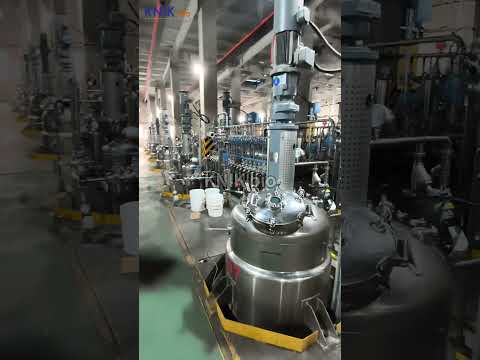
Another exciting development is the use of bioreactors. Think of them as mini factories where microorganisms do their magic. These high-tech vessels create ideal conditions for cells to thrive and produce valuable substances. New designs for bioreactors are making them more efficient and reducing waste—like using less water and energy! Seriously, it’s like giving Mother Nature a helping hand.
And let’s talk about synthetic biology. This field combines biology with engineering principles to redesign organisms for specific purposes. For example, scientists are creating bacteria that can produce biodegradable plastics from renewable resources. It’s wild how we’re turning tiny microbes into green warriors for our planet!
There’s also been a big push towards automation in bioprocessing. Software and robotics are streamlining processes that used to take tons of manual work. Imagine programming machines to monitor cell growth or nutrient levels—all without someone constantly checking in! This leads to faster results and less human error, which is essential in ensuring quality.
Now, I can’t forget about sustainability because it’s such an important part of the conversation right now. Bioprocess engineering advancements are helping reduce carbon footprints significantly. Techniques like metabolic engineering allow us to tweak microorganisms so they consume waste products as food rather than traditional resources like sugar or corn.
But here’s where it gets even more interesting—upcycling waste materials. Waste from agriculture can be transformed into valuable bio-based products through bioprocessing methods! So instead of just tossing out leftover plant matter, scientists are finding ways to turn it into fuel or food additives.
To sum up, bioprocess engineering has made leaps forward that promise a brighter future for both health care and environmental sustainability. With innovations like advanced cell cultures, smart bioreactors, synthetic biology techniques, automation systems, and effective waste use strategies leading the charge…it kind of makes you feel hopeful about where science might take us next!
Engineering Innovations for Sustainable Development: Bridging Science and Environmental Stewardship
When you think about engineering, you might picture crazy machines or complex skyscrapers. But there’s so much more to it! A big part of modern engineering is about figuring out how to work with the environment, not against it. That’s where innovations for sustainable development come in, bridging the gap between science and being good to our planet.
So, what’s this all about? Well, let’s start with bioprocessing engineering. This is a field that uses biological materials—think plants, microbes, and even human cells—to create stuff we need while being kind to our planet. It’s like having your cake and eating it too! By harnessing nature’s own processes, engineers can develop sustainable solutions that reduce waste and pollution.
Imagine you’re at home making a smoothie. You blend fruits with yogurt and maybe some spinach (why not?). The goal is to create something tasty and healthy with minimal waste. That’s kinda what bioprocessing is doing on a larger scale but applied to industries like food production or even energy!
Here are some neat ways this innovation connects science with environmental care:
- Renewable Energy: Think solar panels or wind turbines! They’re designed using principles from engineering that let us capture energy without burning fossil fuels.
- Waste Reduction: Engineers are figuring out how to turn waste into new products. For example, some companies convert food scraps into biofuels or compost instead of just tossing them away.
- Sustainable Agriculture: This involves using less water and fewer chemicals while growing food. Engineers develop systems that monitor crop health through sensors or drones—pretty cool, huh?
- Water Treatment: There are advanced ways now to clean dirty water using natural processes. Some systems use special bacteria to break down pollutants, letting us recycle water efficiently.
- Circular Economy: The idea here is eliminating waste altogether by designing products that can be reused or recycled. Engineers play a key role in creating these closed-loop systems.
You might wonder if this stuff really works out in the real world. Well, just look at some recent projects! Some places have been able to cut their carbon emissions dramatically through bioprocessing techniques. And there are cities around the globe using engineered wetlands for natural wastewater treatment—saving money and helping local wildlife thrive.
When I was younger, I had a friend who lived near a polluted river. He’d often tell stories about how fish used to swim there before things got messy due to industrial waste dumping. Hearing him talk made me realize how important it is for engineers and scientists today to fix these issues—not just for us but for future generations too.
In wrapping this up (not that we’re putting an end here; there’s always more!), engineering innovations geared towards sustainable development combine creativity with smart science. It’s all about finding balance—like blending sweet strawberries with spinach for an awesome smoothie but on a much bigger level! We’re all in this together as we work towards protecting our environment while fulfilling our needs creatively and responsibly.
Bioprocessing engineering is a pretty cool field that, like, meshes biology with engineering. Think about it—a way to use living organisms to make stuff we need, like energy or medicine, in a more sustainable way. It’s not just about making things; it’s about doing it in a way that doesn’t trash the planet.
I remember this one time when I was at a local sustainability fair. There was this enthusiastic guy showing off how he used yeast to turn agricultural waste into biofuels. He had a little setup there, and you could see the passion in his eyes as he explained how this process reduces waste and gives us energy! I mean, who wouldn’t get a little excited about that? It was so refreshing to see someone tackle big problems with practical solutions.
So, bioprocessing blends all sorts of sciences—like microbiology and chemical engineering—to transform organic materials. This process can help us recycle waste products into valuable resources, which is pretty neat if you think about it. For instance, instead of throwing food scraps away, we could break them down and create biodegradable plastics or even fertilizers!
The thing is, with climate change and all those scary headlines about pollution, scientists are really stepping up their game. They’re constantly looking for ways to improve these processes so we can rely less on fossil fuels and harsh chemicals. You see innovations popping up everywhere—like using algae to absorb CO2 or developing new methods for enzyme production that are more efficient.
And yeah, while there are challenges—like scale-up issues and cost-effectiveness—the potential benefits are huge. It could mean healthier ecosystems and happier communities because sustainable practices lead to cleaner air and water.
Honestly? The future might look brighter if we focus more on these kinds of solutions. Innovations in bioprocessing engineering aren’t just technical achievements; they’re steps toward a better world where we harness nature’s power without stripping it bare. And who wouldn’t want to be part of that journey?