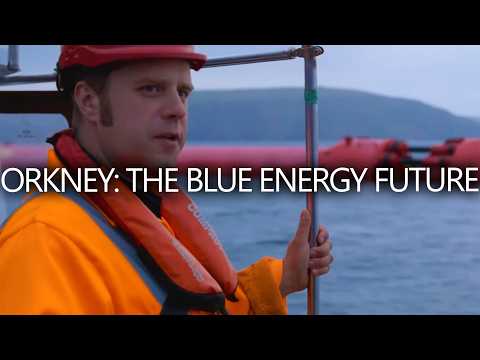
So, picture this: you’re at the beach, feeling the sun on your face and listening to the waves crashing. Now, what if I told you that those waves could power your entire home? Sounds a bit like magic, right? But it’s not!
We’re talking about blue energy here—using ocean powers to generate electricity. This stuff is real and super exciting! And honestly, it’s kind of a big deal.
As we all juggle climate change and our planet’s future, waves, tides, and even differences in temperature can help us tackle these challenges. Imagine harnessing the ocean’s energy to keep your lights on while giving Mother Earth a breather. Cool, huh?
In this chat about blue energy, we’re diving into how it works and why it’s got potential for a sustainable future. Trust me; it’s worth exploring!
Harnessing Blue Energy: A PDF Guide to Sustainable Solutions in Marine Science
So, let’s chat about blue energy. You might be thinking, “What in the world is blue energy?” Well, it’s basically energy harvested from the ocean! Think about the waves crashing on the shore or the tides rising and falling—these movements can actually be tapped into to create sustainable power.
Imagine living on an island surrounded by endless water. The sound of waves becomes part of your daily life, but what if those waves did more than just provide a pretty view? What if they powered your home? That’s the dream of harnessing blue energy.
Types of Blue Energy
First off, there are several main types of blue energy sources:
- Tidal Energy: This comes from the gravitational pull of the moon and sun on Earth’s waters. You know how tides rise and fall daily? Well, that movement can generate electricity.
- Wave Energy: Here you get power from surface waves created by wind blowing across oceans. It’s kind of like using a giant water kettle to produce steam—only it’s all natural!
- Ocean Thermal Energy: This one is a bit trickier but super cool! It relies on temperature differences between warm surface water and cold deep water to run heat engines.
Each type has its own pros and cons. Tidal systems are pretty predictable but can impact local ecosystems. Wave energy setups are still developing but promise great potential. Ocean thermal is fascinating but usually requires specific conditions to work efficiently.
The Benefits
So why bother exploring these options? For starters, they’re renewable! Unlike fossil fuels that can run out or cause pollution, blue energy provides a steady stream without harming our planet as much—well, at least in comparison.
You might also be thinking about job creation here. Jobs in marine technology or renewable engineering could really boost coastal economies! Plus, investing in blue energy means fewer greenhouse gas emissions. This is kind of crucial for tackling climate change—you know?
The Challenges Ahead
Now it’s not all sunshine and rainbows (or seashells and starfish). There are some serious challenges too:
- High Costs: Setting up tidal or wave energy plants can be pricey upfront!
- Environmental Concerns: Any construction in marine environments has effects on local wildlife—like fish migration patterns.
- Technology Limitations: We’re still figuring out how to make these systems more efficient and durable against harsh ocean conditions.
Despite these challenges, researchers are getting creative with solutions! Innovation is key here; think floating platforms for wave generation or underwater turbines for tidal flow—that sort of stuff.
The Future Looks Bright
In short, harnessing blue energy isn’t just some abstract idea—it could be a big part of our future sustainability strategy. Scientists around the world are working hard to refine this tech while keeping an eye on ecological balance.
Remember that little island we imagined? It’s not just fiction anymore; places like Denmark are diving headfirst into wave and tidal tech already!
So next time you hear those waves crashing or see tides changing, think about all that potential being unleashed right before our eyes—and maybe even dream up an eco-friendly future powered by our very own oceans!
Exploring Blue Economy Technologies: Innovations in Sustainable Marine Science
The blue economy is like this cool concept that looks at the oceans and seas as a source of sustainable growth and innovation. Basically, it’s about using marine resources while taking care of our planet. One of the biggest areas within this is **blue energy**, which means harnessing energy from ocean resources without harming marine life.
Firstly, let’s chat about **wave energy**. Imagine those big waves crashing on the shore. Pretty powerful, right? Well, there are devices called **wave energy converters** that capture that energy! They convert the up-and-down motion of waves into electricity. It’s like using nature’s own rhythm to power our homes!
Another exciting thing is **tidal energy**. This comes from the gravitational pull of the moon and the sun on Earth’s oceans. Tidal stream generators can be placed in areas with strong tidal currents, kind of like underwater windmills. They rotate with the flow of water to generate power! Super cool!
You might also hear about **ocean thermal energy conversion (OTEC)**. This one sounds fancy but it’s pretty straightforward! OTEC uses the temperature difference between warm surface water and cold deep seawater to generate electricity. It’s all about finding that temperature gap! And did you know that this process can also help with cooling systems for coastal cities? Multi-tasking at its best!
Then there’s this other technology called **salinity gradient power** or **blue energy from osmotic pressure**. Here’s how it works: where freshwater meets seawater, there’s a natural pressure difference due to salinity differences. By using membranes that allow water through but not salt, we can tap into this pressure to produce sustainable energy. It’s like a science experiment with big implications!
Now let’s not forget about sustainable fisheries and aquaculture technologies! These practices aim to reduce overfishing and ensure healthy fish populations while meeting growing food demands. For instance, some researchers are developing integrated multi-trophic aquaculture systems where different species coexist in harmony – think fish swimming above seaweed or shellfish below, all helping each other thrive.
Innovations don’t stop there; even materials for marine structures are evolving! There’s ongoing research into environmentally friendly materials for offshore wind farms or tidal turbines so they don’t harm ecosystems when they’re built or taken down.
In conclusion, tapping into these blue economy technologies means we’re not just looking at ways to generate power but doing so responsibly and sustainably! It’s all part of a larger picture where we honor our oceans while creating a future full of potential—and who knows? You might just find yourself riding the wave of change in sustainability!
Exploring Blue Economy Careers: Opportunities in Marine Science and Sustainability
So, let’s chat about the blue economy. This isn’t just some fancy buzzword. It’s about using ocean resources in a sustainable way to benefit both people and the planet. Think fish stocks, clean energy, and marine tourism—all while protecting the environment. Seriously, it’s like getting a two-for-one deal: you get jobs and you help Mother Earth!
You must be wondering what kind of careers pop up in this exciting field? Well, there are loads! Here are some major opportunities:
- Marine Biologist: These folks study life in the ocean. They can work on everything from coral reef conservation to understanding fish populations. Ever think about how jellyfish could impact fish stocks? Marine biologists are on it!
- Aquaculture Specialist: This role focuses on farming fish and other sea creatures. The goal? To meet demand without overfishing wild populations. Imagine being responsible for a sustainable seafood dinner party—pretty cool!
- Ocean Engineer: If you love tech and oceans, this is your jam! These engineers design everything from offshore wind farms to underwater robots that monitor marine life.
- Environmental Policy Analyst: These peeps crunch numbers and analyze policies related to ocean sustainability. They might help create regulations that protect marine ecosystems while supporting local fishermen.
- Sustainable Tourism Manager: Think eco-friendly resorts or dive trips that promote conservation. This role balances helping businesses thrive while ensuring the environment doesn’t take a hit.
If we look at blue energy—which involves harnessing energy from sources like tides and waves—the opportunities grow even further! For instance:
- Tidal Energy Technician: They work with tidal turbines that generate electricity from moving water. You know those big machines you see near coastlines? Those are tidal turbines!
- Renewable Energy Consultant: These pros provide guidance on how to implement blue energy ideas into existing systems or develop new projects altogether.
- Marine Renewable Energy Researcher: They investigate the potential impacts of harnessing marine energy on ocean ecosystems—important because we don’t want to mess things up while trying to save them!
Thinking about all these roles got me reminiscing about my first beach trip as a kid. I remember collecting seashells with my family while chatting about sea turtles and their habitats—it was then I realized how much we depend on our oceans for life itself! Fast forward to today, people have a chance to work directly in sectors that protect those beautiful places we cherish.
The thing is, working in the blue economy means more than just getting a job; it’s about helping build a sustainable future for everyone. Whether you’re jamming out in a lab or leading underwater research expeditions, there’s something here for everyone who cares about our oceans—and their future.
So when you’re thinking about your career path—or maybe even just mulling over what makes your heart race—consider diving into one of these blue opportunities! The future is bright (and blue!), after all!
So, let’s talk about blue energy. It’s a term that might sound like something out of a sci-fi movie, but it’s actually pretty down-to-earth. Seriously! We’re talking about a renewable energy source that comes from the ocean—waves, tides, and even temperature differences. Just imagine the endless potential we have with all that water!
I remember this time when I was at the beach, feeling the waves crash against my feet. The power of those waves was incredible. You could almost feel the energy pulsing through them. It’s wild to think that nature has all this energy just waiting for us to harness it! And honestly, when you think about climate change and our reliance on fossil fuels, it feels like a bit of a no-brainer to tap into these natural forces.
Now, if you’re picturing turbines out in the ocean or huge machines capturing wave energy, you’re not wrong! Technologies are popping up all over the place. Some use buoys bobbing up and down on the waves, while others are more complex setups designed to capture tidal movements. It’s exciting stuff! Plus, using blue energy means fewer emissions and less environmental impact than traditional sources.
But here’s what gets me thinking: we still have so much work ahead of us! While projects are being developed in different parts of the world—like Scotland’s wave energy projects or those tidal turbines in Canada—there’s still a lot to figure out regarding efficiency and sustainability. We’ve got to find ways to make these technologies cost-effective so they can be rolled out at a larger scale.
And hey, let’s not forget that when we harness blue energy responsibly, we also get to protect marine ecosystems. It’s like two birds with one stone! By investing in technologies that respect ocean life while providing us clean energy, we can create a win-win situation for everyone involved.
In short? The potential is vast and kinda thrilling if you ask me. It’s like we’re on the cusp of unlocking an exciting chapter in renewable energy—but we’ve gotta stay committed and innovate smartly. So next time you’re near water, think about all that untapped power chilling beneath those waves. Who knows? Maybe your next beach trip will inspire some bright ideas for making our future sustainable!