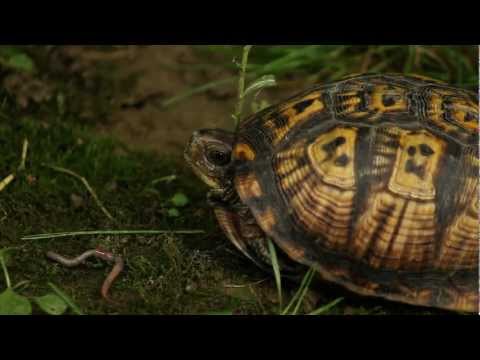
So, there’s this moment I’ll never forget. I was at a park once, chilling on a sunny day, when I spotted a box turtle just hanging out in the grass. It kinda looked like a little tank on legs! I mean, who wouldn’t stop and stare at that?
Box turtles are seriously fascinating creatures. Their shells are like nature’s armored vehicles, but there’s so much more going on with them. Seriously!
These little guys have some wild adaptations that help them survive in the wild. Their unique features are not just cool to look at; they play key roles in their lives. Let’s dig into what makes box turtles so special!
Exploring the Five Key Adaptations of Box Turtles: Insights from Herpetology
So, box turtles are these cool little creatures that have some pretty fascinating adaptations. Let’s take a closer look at five key ones that make them so unique.
1. Shell Structure
First off, the most obvious feature is their shell. Box turtles have a **highly domed carapace** that’s super sturdy. Unlike other turtles that can be more flat, this shape helps them protect their bodies from predators. The way their shell closes tight is essential, too! It acts like a little mobile fortress when they feel threatened.
2. Skin and Coloration
Next up is their skin. Box turtles often have **bright markings and colors**, which can vary by species. These colors can help with camouflage in their natural habitats. For instance, some might be more brown or dark green to blend in with the forest floor, while others are vibrant enough to confuse birds of prey.
3. Limb Adaptations
Now let’s talk about their legs and feet! Box turtles have **sturdy limbs** with strong claws that help them dig and climb over obstacles in their environment. This is super useful when they need to burrow or find shelter from the sun or rain. Imagine trying to climb over fallen branches without the right balance—it’d be a challenge!
4. Dietary Flexibility
What they eat also shows how adaptable box turtles are! They’re omnivores, which means they munch on both plants and animals. This diet allows them to thrive in different environments—from forests to grasslands—finding food wherever it pops up.
5. Temperature Regulation
Lastly, let’s discuss thermoregulation because it’s vital for these reptiles! Box turtles are ectothermic, meaning they rely on external heat sources for body warmth. They’re experts at finding sunny spots or shade—like little scientists measuring out where to hang out for optimal temps! This helps them stay active without burning out.
All these adaptations come together to make box turtles really special creatures in the turtle world. Each one plays an important role in helping them survive and thrive in various environments—how neat is that? So next time you see one slowly making its way across your path, remember there’s a lot going on under that shell!
Exploring the Distinctive Features of Box Turtles: Insights from Herpetology
Sure, talking about box turtles is like opening up a little treasure chest of cool facts! These creatures, belonging to the family Emydidae, have some pretty unique features and adaptations that make them stand out in the turtle world.
Shell Structure
First off, let’s chat about their shells. Unlike most turtles, box turtles have a distinctively **high dome-shaped shell** that is hinged. This little hinge allows them to completely close up when they feel threatened. Imagine being able to zip yourself into a cozy shell whenever danger comes knocking! It’s like their personal fort.
Coloration and Patterns
Then there’s the color thing. Box turtles usually flaunt vibrant shells with intricate patterns. The colors can vary from deep brown to vibrant yellow, and those bright patterns aren’t just for show; they help with camouflage in their natural habitat. It’s all about blending in and staying safe!
Habitat Adaptations
Speaking of habitats, these turtles are quite versatile. They are mostly found in **wooded areas**, marshes, and grasslands across the United States. They thrive in environments where they can easily dig into the soft ground to hide or stay safe from predators like raccoons or birds of prey.
Dietary Habits
Now let’s get down to what’s on their plate! Box turtles are omnivores, which means they munch on a variety of things—everything from fruits and berries to insects and even small amphibians. Their varied diet helps them get a range of nutrients, which is super important for their health.
Senses
You know how some animals have keen senses? Well, box turtles might not be known for speed but boy do they have sharp senses! Their **keen sense of smell** helps them find food easily—kind of like having built-in GPS for snacking!
Lifespan
Here’s something that might blow your mind: box turtles can live a really long time—sometimes over 50 years! That’s like having your pet turtle around since before you started school!
Mating Habits
And when it comes to love life? They’re pretty interesting too. During mating season, males can often be seen engaging in some fierce competition over females. They might bump shells or make loud noises—like an intense dating game but for reptiles!
So if you ever get a chance to observe these fascinating creatures up close, you’ll see how all these distinctive features really come together for survival in the wild! Isn’t nature just incredible?
Exploring the Anatomy and Unique Adaptations of Box Turtles: Insights from Comparative Anatomy
So, let’s talk about box turtles! These little guys are super interesting creatures, and their anatomy is full of unique adaptations that help them thrive in their habitats. And believe me when I say, there’s a lot to unpack here!
First off, *what makes box turtles stand out*? Well, they have this fantastic shell that’s not just for show. It’s like their personal fortress! The shell is made up of two parts: the upper part is known as the carapace and the lower part is the plastron. Most importantly, the way these two parts can close up tight is what gives them their name. It’s like having a mini safe for when danger approaches!
You know how some animals have these wild features to help them survive? Box turtles have pretty neat adaptations too. For instance:
- Camouflage: Their shells often blend into their environment, making it harder for predators to spot them.
- Slow Metabolism: These turtles can survive without food for longer periods. This comes in handy especially during droughts or tough environmental conditions.
- Long Lifespan: Some box turtles live over 50 years! This longevity means they spend a lot of time learning about their surroundings and adapting to changes.
And here’s something cool: *their limbs!* Unlike your typical turtle that might paddle around in water, box turtles have these sturdy legs perfect for land movement. Their feet are more like a lizard’s – with short claws that help them dig into the ground as they search for food.
Speaking of food! Box turtles are omnivores. They chow down on plants, fruits, insects – you name it. This varied diet fits perfectly with their adaptable lifestyle.
But let’s not forget about one last major aspect of their anatomy – sensitivity. Box turtles have excellent senses; they rely on sight and smell to find food and detect danger. It’s fascinating how an animal so small can be so aware of its environment!
Now imagine coming across one of these beauties in the wild. Picture yourself kneeling down and watching it slowly emerge from its shell after feeling safe again. It’s all about survival and instinct with these creatures.
So there you go! Box turtles are not just simple little reptiles; they’re complex beings with some seriously amazing adaptations designed by nature itself to help them thrive no matter where they find themselves living. Isn’t it mind-blowing when you really think about how each creature has evolved its own special traits?
Box turtles, man, they’re such cool little creatures! I remember the first time I spotted one in my backyard when I was a kid. It was just chilling there, all hidden in its shell, like it was playing some sort of game of hide and seek with me. I was totally fascinated!
The anatomy of box turtles is super interesting. They’ve got this unique shell that’s not just for show. It’s called a carapace, and it helps protect them from predators. But here’s the kicker: their shells can close up tight because they have this hinge! It’s like their very own fortress. Imagine being able to retreat into your own little pop-up tent whenever you needed to feel safe. That’s what these guys can do!
Then there are their limbs—short and sturdy—perfect for scurrying around on land rather than swimming in water like some other turtle species. Their feet are equipped with claws, making it easier for them to dig when they want to burrow or search for food. Speaking of food, they’re omnivores! This means they get to enjoy a buffet of insects, fruits, and plants.
But you know what else is striking? Their skin colors and patterns can vary so much depending on where they’re from! Some have bright yellows or deep oranges while others are more muted browns and greens. It’s almost like nature decided to throw a little paint party!
So yeah, box turtles are not just cute; they’re adaptations to their environments make them pretty darn impressive too. If you ever spot one during your next walk outside, take a moment to appreciate these little guys—not every day you see such unique life forms just hanging out in your neighborhood!