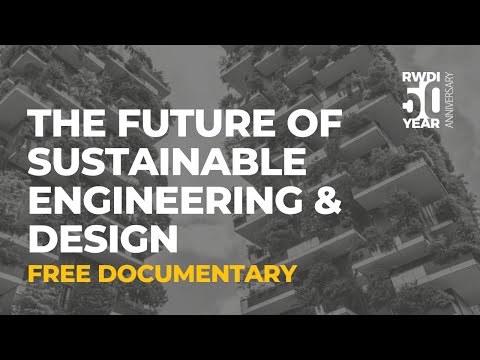
You know how when you walk into a building, sometimes it feels just… right? Like the temperature’s perfect, the lights are cozy, and everything seems to flow? Well, that’s no accident. It’s all thanks to building services engineering.
Imagine this: You’re at a party in a fancy new office building. The air smells fresh, and there’s just the right amount of natural light spilling in from those big windows. You think to yourself, “Wow, someone really thought this through!” That someone is usually a team of engineers working behind the scenes.
In today’s world, it’s not just about looking good. These days, buildings need to work harder for our planet too. Innovations in building services are shaking things up! They’re making designs smarter and more sustainable.
So what’s the deal with all this buzz around sustainable design? Let’s chat about how these clever minds are turning dreams of eco-friendly structures into reality. It’s pretty cool stuff!
Advancements in Building Services Engineering: Pioneering Sustainable Design Innovations in 2021
Building Services Engineering has been evolving like crazy lately, right? I mean, with all the buzz about making our spaces greener and more efficient, it’s like a revolution in how we think about buildings. In 2021, we saw some cool advancements that really pushed the boundaries of sustainable design. Let’s break some of this down.
First off, energy efficiency took center stage. Buildings are getting smarter! Technologies like smart sensors and IoT (Internet of Things) devices became super common. These gadgets help monitor energy use in real time. So, if a room is empty, lights can dim or turn off automatically. It’s all about saving energy without anyone lifting a finger.
Then there’s the whole vibe around renewable energy integration. More buildings started using solar panels and even wind turbines to generate their own electricity. Seriously impressive stuff! It helps reduce dependence on non-renewable sources while cutting costs in the long run. Plus, some designs incorporated green roofs or walls, which not only look great but also provide insulation and improve air quality.
Another big shift was in waste management. Some new building designs include systems to collect rainwater or greywater for non-potable uses; think irrigation or toilet flushing. This makes such a difference in water conservation efforts! Less water waste means more sustainability—it’s like a win-win!
Then there’s the focus on materials. Using recycled or locally-sourced materials became way more popular. Builders started looking at things like bamboo or recycled steel as alternatives to traditional materials that can cause much more environmental harm to produce. Even though it might seem small, every bit helps when considering the overall carbon footprint of a building.
Now let’s chat about occupant health and comfort for a sec because this is key too! More attention is being paid to indoor air quality (IAQ). Better ventilation systems were designed to filter out pollutants and allergens. It just makes sense—healthy occupants are happy occupants!
Lastly, collaboration across disciplines really ramped up in 2021. Architects teamed up with engineers earlier in the design process than ever before. This approach led to holistic solutions that consider everything from aesthetics to function and sustainability from day one.
So yeah, these advancements are setting the stage for even smarter approaches moving forward! The commitment to innovative technologies shows how far we’ve come towards creating not just buildings but better environments for everyone involved—occupants, builders, and our planet alike—and there’s definitely more excitement on the horizon!
Exploring Innovative Sustainable Building Materials: Advancements in Eco-Friendly Construction Science
Building has come a long way, hasn’t it? Nowadays, we’re not just throwing up any old structure. Nope! The focus is on making our buildings more sustainable. This means using materials and methods that don’t harm the environment as much. So, let’s chat about some really cool advancements in sustainable building materials.
First off, there’s this surge in using **recycled materials**. Imagine taking what would be waste—like old plastic bottles or scrap metal—and turning it into something useful for construction. Builders are now creating bricks from recycled plastics that can reduce landfill waste and cut down on new resource extraction.
Then we have **bamboo**. Yeah, that’s right! Bamboo isn’t just for pandas anymore. It’s incredibly strong and grows super fast—like, way faster than trees. Builders are using it for everything from flooring to scaffolding because it absorbs carbon dioxide as it grows. Talk about an overachiever!
Let’s not forget about **rammed earth** construction either. This method uses natural raw materials—think soil and aggregates—to create sturdy walls. It’s been around forever but is getting a modern twist with better techniques and design inspirations that make buildings look awesome while being energy efficient.
Another exciting innovation is the use of **mycelium**, which is basically mushroom roots! Yup, you heard me right. Scientists have figured out how to grow these into shapes that can serve as insulation or even furniture! This stuff is biodegradable too, so when you’re done with it, it won’t hang around like plastic.
Now, if you’ve ever heard of **green roofs**, here’s a fun fact: they aren’t just pretty to look at; they also serve practical purposes. Plants growing on rooftops can help insulate buildings and reduce urban heat islands by cooling the air around them.
Also worth mentioning are advanced concrete mixes with additives like **recycled glass** or **fly ash**, which is a byproduct from burning coal in power plants. These new mixes can make concrete lighter and more durable while slashing its environmental footprint.
And let’s not overlook smart technologies! These days, buildings can incorporate things like solar panels integrated right into their materials—a bit of innovation magic if you will—and systems that capture rainwater for reuse.
So yeah, exploring sustainable building materials isn’t just some trendy fad; it’s about creating structures that work better with our environment instead of against it. Each of these developments shows how science isn’t just stuck in labs but actually playing a crucial role in reshaping our world towards a brighter future—one building at a time!
In summary:
- Recycled Materials – Uses waste for construction.
- Bamboo – Strong and fast-growing substitute.
- Rammed Earth – Natural raw material walls.
- Mycelium – Biodegradable future stuff!
- Green Roofs – Adds beauty & functionality.
- Advanced Concrete Mixes – Eco-friendlier alternatives.
- Smart Technologies – Integrating systems for efficiency.
So there you have it! Exploring innovative building materials gives us hope for sustainable architecture that’s both functional and kind to our planet!
Exploring Sustainable Design and Construction Innovations at Stanford: Advancements in Environmental Science
So, let’s chat about sustainable design and construction innovations, especially what’s been going on over at Stanford. It’s pretty cool stuff that shows how science can step up to help the planet.
First off, what do we mean by **sustainable design**? Basically, it’s an approach to building that focuses on minimizing environmental impact. Think energy efficiency, using renewable materials, and reducing waste. It’s like saying, “Hey Earth, I promise to treat you kindly while I build this amazing structure!”
Now, one of the exciting areas at Stanford is the tech behind these designs. They’re leveraging advances in **environmental science** which is all about understanding how human activity interacts with nature. This knowledge helps architects and engineers create buildings that not only meet our needs but work harmoniously with the environment too.
Let’s break down some key innovations:
- Solar Power Integration: Buildings now utilize solar panels more efficiently. These aren’t just slapped on rooftops—they’re being integrated into the very design of buildings!
- Smart Materials: Ever heard of materials that can adapt? Think about windows that tint themselves when it gets too sunny or walls that can regulate temperature. Super handy!
- Water Conservation Systems: Innovations in plumbing mean we’re recycling greywater (that’s waste water from sinks and showers) for things like toilet flushing! Saves water big time.
- Green Roofs: Imagine a garden on your roof! Green roofs not only provide insulation but they also reduce stormwater runoff and improve air quality.
One touching story comes from a project called **Stanford’s Sustainable Campus Initiative**. Students saw how traditional building methods hurt the environment and decided to make a change. They came together to create structures that are not just functional but inspire others to think differently about design and construction.
But hey, it’s not just about creating these cool innovations; it’s also about sharing them with wider communities. Stanford strives to have research accessible for everyone—so cities everywhere can benefit from these ideas.
In addition to all this techy innovation, there’s a strong emphasis on human experience too! Buildings are designed with community spaces in mind because we need places where people can connect as much as where they live or work.
To sum things up—Stanford is really at the forefront of sustainable design and construction innovations! By blazing trails in environmental science applications within building services engineering, they’re setting examples for future architects and builders everywhere while actively looking out for our planet’s health. And isn’t it just nice to know there are people aiming to build a greener future?
You know, it’s pretty wild how the world’s changing. Just think about the buildings we see every day—like those massive skyscrapers that seem to touch the clouds. They’re not just steel and glass anymore; they’re becoming these living, breathing structures designed to work with nature instead of against it. That’s where innovations in building services engineering come into play, you know?
Just the other day, I was chatting with a friend who recently moved to a green building. It has solar panels, rainwater harvesting, and all these smart systems that adjust lighting and temperature based on usage. She was telling me how much more comfortable it feels compared to her old place. It’s amazing to think that something as simple as using less energy or recycling water can totally change our daily lives.
So, let’s break this down a bit. When we talk about building services engineering, we’re looking at heating, ventilation, air conditioning (HVAC), plumbing systems—you name it! These folks are really stepping up their game to create spaces that are energy-efficient and sustainable. Like, remember when LED lights became a thing? Now they’re everywhere! You’d be shocked at how much energy they save compared to traditional bulbs.
And then there’s this whole push for smart technology in buildings. Picture sensors that can tell when rooms are empty and switch off lights or adjust heating accordingly. Seriously, it’s like magic! But it also cuts down on waste and helps keep costs low over time.
Plus, there’s a big focus on using eco-friendly materials too. Think bamboo floors or recycled steel in construction—this stuff just makes sense if we want our planet to stick around for future generations. I mean, wouldn’t you want your kids to enjoy clean air and green parks?
But here’s the thing: while all these innovations are super exciting, they also raise questions about accessibility and cost. Not everyone can afford those fancy new technologies yet! So as we move forward into this new era of sustainable design, it’s essential we find ways to make these innovations available for everyone.
Honestly though? Seeing how far we’ve come gives me hope—hope that we’re learning from our past mistakes and designing buildings that don’t just serve us but also nurture the environment around us. It feels like we’re doing more than constructing walls; we’re building futures together.
So yeah, as innovation keeps rocking in building services engineering, let’s keep dreaming big but also stay grounded in making sure everyone gets a taste of this sweet progress.