So, you know how some people get all excited about muscle anatomy and why muscles are where they are? I mean, I once tried to impress my friends at a party by flexing my arm and naming the biceps brachii. They just stared at me like I had lost my marbles! But honestly, understanding anatomy is way cooler than it sounds.
C2 anatomy might sound like a fancy term, but it’s really all about those crucial parts of our body that make everything tick. Think of it as the detailed instruction manual for our own personal machines. Each bit plays a role in how we move, learn, and do—like when you trip over your own feet learning to dance (guilty!).
Let’s dig into how this knowledge rolls into scientific research and education. I mean, who wouldn’t want to walk around with some serious body smarts? It’s time we got friendly with what’s going on inside us!
Understanding C2 in Anatomy: Structure, Function, and Clinical Significance
When you think about the spine, it’s easy to picture just a long column of bones. But there’s a lot more to it than that! Let’s talk about the second cervical vertebra, also known as C2. It plays a crucial role in both structure and function.
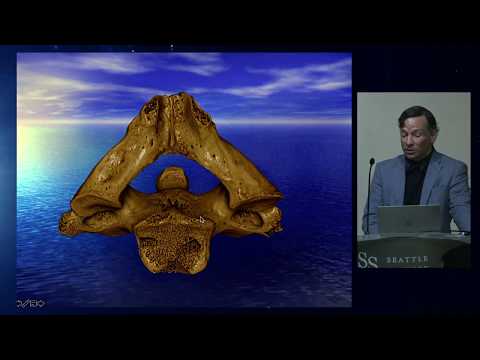
First off, C2 is your axis. This means it’s the vertebra that allows your head to rotate. Imagine shaking your head “no.” That movement is all thanks to C2, which sits right under the first cervical vertebra, called C1 or atlas. This unique relationship lets you turn your head smoothly from side to side.
Now, let’s get a little technical for a moment. C2 has some pretty cool features:
- Dens (or odontoid process): This peg-like structure protrudes upward and fits into C1. It acts like a pivot point.
- Transverse foramen: These openings allow blood vessels and nerves to pass through. It’s like having highways for important stuff right where they’re needed!
- Lateral masses: These provide strong support while allowing flexibility. Think of them as sturdy pillars holding up a roof.
So, why does all this matter in real life? Well, because of its critical position and unique structure, C2 can be susceptible to injuries. For example, whiplash injuries can occur in car accidents where the neck snaps back and forth violently. Such injuries frequently impact areas around C2 due to its role in supporting movement.
In clinical practice, understanding C2 anatomy isn’t just for medical professionals; it also helps in educating students about spinal dynamics. When teaching anatomy or even during surgeries involving the cervical spine, knowing how everything links together can make all the difference.
You might be wondering about how researchers study this part of our anatomy. Techniques like MRI scans allow scientists and doctors to see not only bones but also how nerves are arranged around them. It’s fascinating when you think about how these technologies help us understand conditions like cervical spondylosis or even congenital anomalies that may affect C2 directly.
The fun doesn’t stop here! Did you know that research on C2 can also contribute to advances in treatments? As scientists better understand its biomechanics and how injuries occur, they can develop more effective therapies and rehabilitation protocols for those affected by neck injuries.
So next time you move your head around, remember—there’s a whole lot happening at C2! It may seem small compared to everything else going on in our bodies, but this little vertebra packs quite a punch when it comes to function and clinical importance.
Understanding C2 in Anatomy: Its Significance in the Field of Science
So, let’s get into it: C2 anatomy. You might be thinking, “What’s C2?” Well, it’s actually the second cervical vertebra in your neck. This little guy plays a huge role in how we move our heads and necks. It’s also called the axis. Now, that sounds fancy, right? But there’s more to it than just a cool name.
The C2 vertebra is crucial because it allows for rotation of the head. You know when you shake your head “no”? That motion is largely thanks to C2. It acts like a pivot point for your skull, making movements smooth and effortless. Without it, turning your head would be a real challenge!
- The axis connects with the first cervical vertebra (C1), which is known as the atlas. The atlas holds up your skull, while the axis lets it twist.
- In terms of anatomy education, understanding C2 helps medical students and professionals grasp concepts about spinal health and injury.
- This area of the spine is often examined in sports medicine since athletes can be prone to neck injuries.
Now here’s something interesting: if you think about how often we use our necks—looking at our phones or turning to talk to someone next to us—you realize just how much we rely on C2 every single day. It’s critical for maintaining proper posture too; when it’s misaligned or injured, you might experience pain or limited movement.
On another note, surgeons often refer to C2 during operations involving the spine or treatments for conditions like herniated discs or spinal stenosis. Knowing its anatomy can make those procedures safer and more effective.
So yeah, when you hear folks chatting about C2 anatomy in science or medicine classes, they’re not just tossing around jargon. They’re talking about something that impacts real-life health and mobility every day! Understanding this little vertebra can offer insights into larger issues related to spinal health and human biology overall.
In short, recognizing the importance of C2 isn’t just a box to check in terms of education—it’s fundamental in understanding how our bodies work! So next time you turn your head with ease think: Thanks, C2!
Understanding C1 to C5: Key Concepts in Scientific Classification and Analysis
C1 to C5: Key Concepts in Scientific Classification and Analysis
So, let’s dive into the world of scientific classification, shall we? You might have heard of these terms thrown around in different scientific contexts, but what do they really mean? This is where it gets interesting. Understanding C1 to C5 helps us break down complex information into more manageable bits.
C1: Definition of Terms
C1 is all about defining what different terms mean. Think of it as the groundwork for everything else. It’s like laying the foundation for a house. Without this step, everything else can get pretty shaky. For example, if you’re studying a particular species of plant, understanding its specific name (genus and species) is crucial before going any further.
C2: Anatomy and Its Role in Scientific Research and Education
Next up is C2, which delves into anatomy—basically the study of how things are put together. When we talk about anatomy in research, we’re looking at how different parts function and interact with each other. Imagine trying to figure out how a car runs without knowing where the engine or brakes are located. You wouldn’t get far! This part is vital for both research and education because it shapes our understanding of biology, medicine, and even environmental science.
C3: Frameworks for Analysis
Moving on to C3, this focuses on frameworks that help us analyze data or concepts systematically. These frameworks guide researchers on what methods to use when collecting or interpreting information. Think of it as having a map while hiking—you wouldn’t want to wander off into the woods without one!
C4: Critical Thinking Skills
C4 hones in on critical thinking skills required for scientific inquiry. Here’s where you become a detective! Analyzing data isn’t just about numbers; it’s about asking questions like “What does this data tell me?” or “Are there patterns here?” The ability to think critically can make or break your research results.
C5: Application in Real-World Scenarios
Finally, we have C5 that looks at applying these concepts outside the lab—or classroom! It’s about taking theoretical knowledge and seeing how it plays out in real life. For instance, consider how understanding human anatomy affects medical treatments or how knowing ecological frameworks aids conservation efforts.
So there you have it—a little tour through C1 to C5. Each step builds on the last, creating a solid base for understanding science better. Remember that grasping these concepts not only enhances your knowledge but also empowers you to engage with scientific topics meaningfully!
C2 anatomy, or the anatomy of the second cervical vertebra, is kinda a big deal in both scientific research and education. Picture this: you’ve got this little bone at the top of your spine called C2, also known as the axis. It’s like the pivot for your skull and allows for that cool head rotation—like when you’re trying to see behind you without twisting your whole body. It’s not just a funky piece of bone, though; it plays a critical role when scientists look at how our bodies move and interact with different forces.
Now, let me tell you about something that happened to me once. I was sitting in class—totally zoned out—when our professor started talking about how injuries to C2 can affect everything from mobility to neuro functionality. Suddenly, all these complex diagrams came alive for me! I could picture this tiny bone literally holding up our heads and allowing us to nod or shake them around. It was like, “Whoa…this is important!” That moment sparked my interest in anatomy and showed me just how crucial understanding these structures is in fields like medicine and physical therapy.
So, why should we care about C2 anatomy? Well, understanding it helps researchers develop better treatments for spinal injuries or diseases that limit movement. When we know exactly how things work down there—like where nerves travel through—doctors can create more effective interventions or rehab programs. This isn’t just theory either; it translates into real-life applications that can help people regain their mobility.
And then there’s education. Teaching students about C2 anatomy isn’t just about memorizing terms or drawing diagrams (although that stuff’s important!). It’s about making connections between structure and function. You know how when something clicks in your brain? That’s what happens when students get engaged with real-life scenarios involving C2 injuries or conditions. They start to see not just bones but stories behind those bones: health challenges faced by patients, innovative research pushing boundaries, and maybe even their future careers.
The beauty of focusing on something specific like C2 is that it opens up conversations across disciplines: neuroscience, biomechanics, rehabilitation—all interwoven into one little part of our bodies! And honestly, it’s inspiring to witness all the curiosity coming from both sides—the scientists digging deep into research and educators shaping young minds.
So yeah, while C2 might seem small on its own, it’s a key player in a much larger game called human health and science education. It’s amazing how such a tiny thing can have such huge implications!