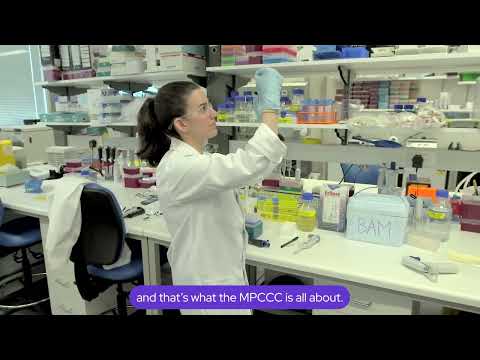
So, picture this: you’re at a coffee shop, right? You overhear two scientists chatting about cancer research. One says, “I found a new way to tinker with cells,” while the other replies, “Oh yeah? Well, I just teamed up with some sharks!” Seriously though, it’s wild how collaboration is taking science to new heights.
Cancer research is like a team sport. The more players you have on the field, the better your chances of scoring that big win against this complicated disease. So many brilliant minds are joining forces now—doctors, researchers, patients—all working together.
It’s not just about one genius in a lab anymore. It’s like a massive puzzle where each piece matters. With all these different perspectives and skills coming together, who knows what breakthroughs are just around the corner? It’s exciting stuff!
Advancing Cancer Research: The Impact of Friends of Cancer Research on Scientific Innovation
Cancer research is a fascinating, yet complex area of study. So many teams are tirelessly working together to find better treatments and hopefully, one day, cures. One organization that plays a big role in this collaborative effort is Friends of Cancer Research.
This group focuses on bringing together different stakeholders in the cancer research world. Think about it: researchers, doctors, patients, and even policy makers all have unique insights. Friends of Cancer Research helps form connections between these groups so they can share knowledge and resources. This is super important because when everyone is on the same page, it speeds things up!
One great example of their work is the LaunchPad Initiative. This initiative aims to improve clinical trials by making them more accessible and patient-friendly. By streamlining processes and focusing on patient needs, clinical trials become not just faster but also more effective. Imagine being able to participate in a trial with less hassle—that’s progress!
Another area they focus on is regulatory science. Now you might be asking, what’s that? Simply put, it’s about understanding how new treatments get approved for public use. Friends of Cancer Research collaborates with organizations like the FDA to ensure that promising new therapies don’t get stuck in red tape for too long.
Innovation in cancer treatment isn’t just about new drugs either. It’s also about looking at existing therapies in fresh ways. For example, some treatments originally designed for one type of cancer are being adapted for others with similar characteristics. That kind of thinking can save time and resources—definitely a win-win.
But let’s get real for a moment; overcoming cancer isn’t easy for anyone involved. I remember my friend who faced this battle with unwavering strength but also constant uncertainty about her treatment options. Organizations like Friends of Cancer Research strive to lessen that burden through innovation and cooperation.
Also, public awareness plays a huge role here! The more people know about ongoing research efforts and success stories, the more support can be drawn in terms of funding or even participation in studies.
In summary, by fostering collaboration among various stakeholders and focusing on innovative strategies such as streamlining clinical trials or improving regulatory processes, Friends of Cancer Research really makes strides toward advancing how we approach cancer research as a whole.
So next time you hear someone mention advancements in cancer research or hear stories about breakthroughs, remember that there’s often an intricate web of collaboration making those successes possible!
Driving Innovation: Cancer Research Collaboration Golf Tournament for Scientific Advancement
Let’s talk about something that might seem a bit, you know, unexpected—golf and cancer research. At first glance, they might not fit together like peanut butter and jelly, but hang on. There’s a growing trend of using events like golf tournaments to raise money and awareness for cancer research. It’s all about collaboration, and who knew a day on the greens could help drive innovation in science?
Okay, picture this: scientists, researchers, and health innovators coming together for a round of golf. Sounds kind of fun, right? These events create a unique atmosphere where people from different backgrounds can mingle. And while they’re swinging their clubs, they’re also sharing ideas and discussing what’s happening in the field of cancer treatment.
So why is collaboration important in cancer research? Well, here are some thoughts:
- Diverse Expertise: Cancer is complex. Having people from various specialties—like genetics, immunology, and pharmacology—helps tackle it from multiple angles.
- Pooling Resources: Funding can be tight for individual projects. By joining forces in these events, organizations can increase their financial power to support breakthroughs.
- Networking Opportunities: You never know who you’ll meet on the golf course! Someone might just have the right connection or idea that leads to a major advancement.
Now let’s not forget the emotional side of things. Many people have been touched by cancer directly or indirectly—maybe you’ve had family members or friends affected by it. So when folks come out to an event like this, they’re not only playing for fun; they’re playing for hope and change.
I remember attending an event once where there was this heartfelt speech given by a survivor. She talked about her journey through treatments that felt endless at times but also highlighted how vital research funding is for developing new therapies. It was one of those moments that really drives home why everyone was there swinging clubs instead of sitting in an office.
Overall, these collaborative efforts aren’t just about raising money; they’re creating connections across fields that could lead to life-saving innovations down the road. The more minds working together—seriously—it often leads to faster discoveries that could change how we understand and treat cancer.
And while you might just think it’s about spending a day outdoors with friends or colleagues, it’s so much bigger than that! It’s about building bridges over what could feel like insurmountable challenges in medical science.
In conclusion (well sort of), events like these remind us not only of the importance of collaboration but also how creativity can show up in unexpected places—even on a golf course! So next time you hear about such an event don’t underestimate its potential impact on advancing cancer research—you never know what innovations could come out of friendly competition under the sun!
Supporting Innovation in Oncology: The Role of American Friends of Cancer Research in Advancing Scientific Discoveries
When you think about cancer research, it might feel like a distant concept. But let me tell you, it’s super important for so many lives. Supporting innovation in oncology plays a massive role in how we tackle this disease, and one of the organizations really making waves is the American Friends of Cancer Research.
So, what do they actually do? Well, this group focuses on advancing scientific discoveries related to cancer treatment. The thing is, cancer isn’t just one illness; it’s a whole bunch of diseases with different behaviors. That’s why having a diverse approach to research is crucial.
- Collaboration is key: They work with various researchers and institutions. Think of it like assembling an all-star team where everyone brings their own skills to the table.
- Funding innovative projects: By supporting cutting-edge research initiatives, they’re fueling breakthroughs that could change how we treat cancer.
- Promoting new ideas: Often, fresh perspectives can lead to unexpected results. This organization gives space for unconventional thoughts that might just be the spark needed for innovation.
I once met a researcher who talked about being able to develop a new immunotherapy treatment thanks to collaborative funding from similar organizations. That was a game changer! It reminded me how much hope these efforts can genuinely bring to patients and their families.
The reality is that advancements don’t happen in isolation. By building networks among scientists and medical professionals, organizations like American Friends of Cancer Research push boundaries further than what any single entity could achieve alone.
- Education and outreach: They also make sure that findings are shared with the public and medical community alike. Spreading knowledge helps everyone stay informed about what’s happening in cancer research!
- Sponsoring clinical trials: These trials are vital for testing new treatments’ effectiveness on actual patients. It’s kind of like testing out a new recipe—you need feedback before claiming it’s perfect!
If you think about it, every little effort counts when it comes to battling cancer. The combined knowledge from various experts leads us closer to understanding this complex disease better—making every contribution valuable.
The bottom line? Supporting innovation in oncology isn’t just an abstract idea; it’s a community effort where every piece fits into the bigger picture of fighting cancer together.
Lately, I’ve been thinking about how cancer research is kind of like putting together a massive jigsaw puzzle. Each piece has its own picture, but when you collaborate, the whole image starts to come together. It’s like magic, really!
I remember a few years ago when my uncle was diagnosed with cancer. He was such a vibrant guy—always cracking jokes and sharing stories at family gatherings. Seeing him go through treatments was tough on all of us. But then, he started participating in a clinical trial where researchers from different universities teamed up to figure out the best treatment for him. That experience opened my eyes to how powerful collaboration can be in science.
There’s something special about merging perspectives and expertise. Scientists from different backgrounds—like molecular biology, genetics, and even psychology—can work together to understand cancer better. This multidisciplinary approach means bringing new ideas to the table and tackling problems that one team alone might struggle with.
When researchers share data, they not only speed up the process but also enhance it. For instance, one lab might discover something groundbreaking about cancer cells’ metabolism while another might have insights into how those cells interact with their environment. When they share that info? Boom! They’re building on each other’s findings instead of starting from scratch every time.
And let’s not forget about patient involvement! Engaging people who are directly affected by cancer can point researchers toward what really matters—the side effects people experience or symptoms that need attention. It’s like asking the people living the reality what pieces of the puzzle are missing.
As big as this puzzle is, collaborative efforts bring hope closer to reality. Whether it’s international conferences or community-based projects, each effort contributes to a larger understanding of this complex disease. And every step forward brings us closer to more effective treatments and better outcomes for patients like my uncle.
Seeing all these scientists working hand in hand reminds me that sometimes we need each other more than we think. Our individual pieces are important but get ready—when those pieces come together? That’s when true progress happens! So here’s hoping for continued collaboration in advancing cancer research because every bit counts in this fight against such a relentless foe.