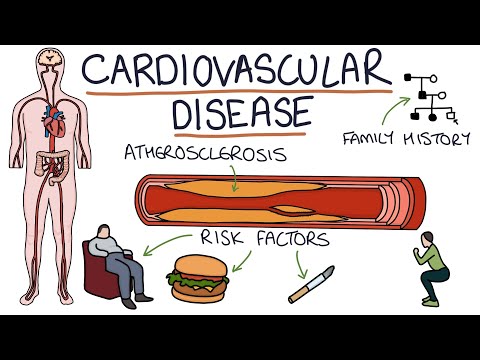
You know what’s wild? Your heart, that little pump in your chest, is working overtime right now. Seriously! It beats about 100,000 times a day and pushes blood all over your body. Let’s pause for a second—if that doesn’t blow your mind, I don’t know what will!
But here’s the kicker. Despite being this amazing powerhouse, hearts can go a little haywire sometimes. Cardiovascular problems sneak up on people like that unexpected pop quiz in school—you think you’re acing life, then bam!
So, what really goes down with all this cardiovascular pathophysiology stuff? It’s like a tangled web of issues that can make our hearts act all funky. Trust me; understanding it isn’t just for doctors in lab coats or those science nerds—it’s super relevant for all of us.
Get comfy because we’re about to tackle the ups and downs of how our hearts work and the challenges they face. Who knows? By the end of this chat, you might feel like you could give a mini-lecture on heart health!
Comprehensive Guide to the Pathophysiology of Cardiovascular Disease: Downloadable PDF Resource
Sure! Let’s chat about cardiovascular disease and its pathophysiology. It’s a topic that can sound super complicated, but I promise to break it down for you.
Cardiovascular disease (CVD) is like a big umbrella covering various heart and blood vessel issues, including things like heart attacks and strokes. Pathophysiology, fancy term alert, refers to how these diseases actually mess with your body. So let’s roll up our sleeves and dive right in!
What really happens when we talk about CVD? Well, it usually starts with the buildup of fatty deposits on artery walls—this is called **atherosclerosis**. Imagine it like when you see grease collect in a sink; over time, it clogs the pipes. This blockage can lead to serious trouble because the heart won’t get enough blood.
Another aspect involves blood pressure. Hypertension, or high blood pressure, puts extra strain on your heart and arteries. It’s like pushing against a closed door; eventually, something’s got to give! Over time, this could lead to weakened heart muscles or even heart failure.
Now let’s touch on risk factors. Here are some of the big players that contribute to CVD:
Each of these factors adds an extra layer to the challenges surrounding cardiovascular health.
So what are the symptoms? They vary widely, but common ones include chest pain, shortness of breath, fatigue, or even nausea. It’s often different for everyone—like how not everyone feels sick when they have a cold.
Let’s not forget stress! Stress can trigger behaviors that lead to CVD—like binge eating junk food or skipping workouts. If you’ve ever felt overwhelmed by work or life stuff, you know exactly what I mean.
Managing cardiovascular disease is no walk in the park either. Treatments often involve lifestyle changes—like starting a better diet or getting into an exercise routine—and sometimes medication is needed too.
If you’re looking for more detailed explanations or resources regarding cardiovascular pathophysiology challenges and management strategies, there are downloadable PDF resources available online that cover all this info in-depth!
And remember: while we may think our hearts will always be there beating away without a care in the world, taking good care of them is crucial! So next time you’re munching on snacks while binge-watching your favorite show or stressing out over deadlines, just take a moment to think about those little ol’ arteries working hard behind the scenes.
Keeping your heart healthy isn’t just important; it’s vital for living life fully. And with awareness comes power—you’ve got this!
Understanding the Pathophysiology of Cardiovascular Disease: A Comprehensive PPT Guide for Medical Science
Understanding the Pathophysiology of Cardiovascular Disease is like trying to unravel a complex web. Seriously, it’s not just one thing that goes wrong, but a whole cascade of events. When we’re talking about cardiovascular disease (CVD), we’re diving into issues like heart attacks and strokes which are some of the leading causes of death worldwide.
You see, CVD often begins with risk factors you might have heard about—things like high blood pressure, cholesterol levels, diabetes, and smoking. These risk factors can affect your heart and blood vessels in some pretty significant ways.
First off, let’s chat about a little thing called atherosclerosis. It’s when your arteries get clogged up with fatty deposits known as plaques. Think of it like a dam in a river. This buildup narrows the arteries and restricts blood flow to your heart or brain. When blood flow is cut off, you might end up with angina or even a heart attack! Kind of scary stuff, huh?
Now imagine if those plaques were to rupture—what a mess! They can expose the inner core of the plaque to the bloodstream, triggering your body to form a clot. This can lead to complete blockage, which is why time is crucial during a cardiac event.
Another critical aspect is something called endothelial dysfunction. In simple terms, this refers to when the lining of your blood vessels isn’t working right anymore. A healthy endothelium produces substances that help maintain vessel function and keeps things flowing smoothly. But when it gets damaged due to high blood pressure or smoking? Well, that’s when things start going downhill.
And then there’s inflammation! Your body tries to heal itself; it sends white blood cells to areas where there’s damage. But sometimes this process gets out of control and does more harm than good—creating an environment ripe for heart disease.
But wait! There’s more! Other conditions play their part in this complex scenario too: abnormal heart rhythms (arrhythmias), valve problems, and even genetic factors can all contribute to cardiovascular issues.
Now let’s not forget about the emotional side too—like stress! Ever noticed how your heart races before a big presentation or after an argument? Chronic stress can worsen existing conditions or contribute to new ones.
In summary:
- Atherosclerosis: Plaque buildup leading to narrow arteries.
- Endothelial Dysfunction: Impaired vessel lining leading to restricted blood flow.
- Inflammation: Body’s response misfiring and causing damage.
- Other Factors: Arrhythmias and genetics also at play.
The landscape of cardiovascular disease is deeply intricate; understanding its pathophysiology helps doctors find better ways for treatment and prevention. So next time you hear someone mention CVD, remember: it’s all about that crazy interplay between risk factors, physical changes in your body, and sometimes just plain bad luck!
Pathophysiology of Heart Disease, 7th Edition PDF: A Comprehensive Guide for Cardiovascular Research and Education
Heart disease is like a complex puzzle where different pieces fit together to create a bigger picture of cardiovascular health. Understanding its pathophysiology—basically, how the heart and blood vessels react to various stressors—is key. So let’s break it down a bit, shall we?
First off, there are several common types of heart disease: coronary artery disease, heart failure, arrhythmias, and valvular diseases. Each of these has its own set of causes and effects on the body. For instance, in coronary artery disease, plaque builds up in the arteries that supply blood to your heart. This narrowing can lead to chest pain or even a heart attack.
Now, you might be wondering what causes this plaque buildup. Well, things like high cholesterol, high blood pressure, and even diabetes play significant roles here. They create an inflammatory response that leads to damage in the arterial walls. When these walls get damaged, they become more susceptible to plaque formation—like a scruffy sidewalk that draws more dirt.
But wait—there’s more! When we talk about heart failure, it’s not just about the heart being weak; it can also mean it’s stiff and doesn’t relax properly between beats. You could think of it as trying to pump water through a garden hose that keeps crimping; the flow just isn’t what it should be.
Arrhythmias add another level of complexity because they mess with your heartbeat rhythm. Imagine your heart as a drum playing a steady beat; now picture someone randomly hitting it with a tambourine—it throws everything off! Factors like stress or electrolyte imbalances can cause these rhythm disturbances.
Also worth mentioning are valvular diseases. The valves in your heart are supposed to open and close perfectly to direct blood flow efficiently. But if they become narrowed (stenosis) or leaky (regurgitation), it’s like having traffic lights malfunctioning at busy intersections—chaos ensues!
But why does all this matter? Well, understanding these mechanisms is crucial for research and education around cardiovascular health since knowing how something works helps us figure out how to treat it better.
Here’s the thing: tackling heart disease is no walk in the park! It involves understanding genetics, lifestyle choices, environmental factors—so many variables at play! And let’s not forget about psychosocial aspects like stress or depression—they contribute too.
In conclusion (oops!), navigating through cardiovascular pathophysiology is crucial for those involved in research or educating others about this topic. By piecing together these complex mechanisms and challenges involved in heart diseases, we can better fight against this leading cause of death globally.
Anyway, next time you hear someone talk about heart health or disease treatments, you’ll have some solid background knowledge ready to roll out! It’s pretty cool how interconnected everything is when you think about it!
Cardiovascular diseases, wow, they really impact a huge chunk of the population. You know, it’s like we often hear about heart attacks and strokes in the news or from friends and family. It can hit pretty close to home. I remember when my uncle had a heart attack. It was scary! He was always the life of the party, and suddenly he ended up in the hospital. That moment really struck me about how little we sometimes understand about our hearts and what can go wrong.
So, when we talk about cardiovascular pathophysiology, it’s basically looking at how these diseases develop and affect our bodies. Picture your heart as this super important pump that keeps everything going—your blood moves through vessels like highways, delivering oxygen and nutrients to various organs. But then there are these sneaky factors—like high blood pressure or cholesterol—that can mess with this system.
One of the biggest challenges is that many people don’t even realize they’re at risk until something drastic happens. It’s almost alarming how quiet issues like hypertension can be. You could feel fine one day and then find out you have high blood pressure or even artery blockages without any warning signs.
Another issue is that not everyone has equal access to healthcare or education about heart health. That means some folks might not pick up on those early warning signs just because they don’t know what to look out for—which is pretty frustrating, you know?
Yes, research has come a long way in understanding these conditions. There’s a ton of studies focusing on genetics, lifestyle factors, stress levels—you name it! Yet translating that knowledge into practical solutions for everyday people remains tough.
But hey! There are positive strides being made too; with simple lifestyle changes—like having more veggies or moving around a bit more each day—people can drastically improve their heart health. This isn’t just some card you play; it’s real-life stuff!
So yeah, navigating cardiovascular pathophysiology comes with its load of challenges—not only in terms of understanding but also in helping people prevent these diseases before they happen. I guess what’s important is awareness and action; after all, our hearts deserve the best care possible!