You know, there’s just something about catapults that gets me all excited. I mean, who wouldn’t want to launch stuff into the air? I remember the first time my friend and I built a mini catapult in his backyard. We were aiming for the neighbor’s tree but ended up launching marshmallows into his little sister’s hair. Classic!
So, like, what is it about these ancient machines that makes them so cool? It’s all about physics, really. There’s this whole world of forces and energy at play that we usually don’t think about when we’re just goofing around.
But don’t worry! You don’t need a PhD to understand it. Let’s break down the science behind catapults—what makes them tick and why they can shoot things so far. Buckle up; it’s gonna be a fun ride!
Fundamental Principles of Catapult Design in Scientific Applications
There’s something super cool about catapults. You know, those ancient machines that flung stuff across the battlefield? They’re not just ancient history; they tap into some seriously interesting physics too! Let’s break down the fundamental principles of catapult design, shall we?
1. Energy Storage
The catapult basically stores energy and then releases it. Think of it like pulling back a rubber band. When you stretch it, you store potential energy, right? Same with a catapult! It usually works by using tension or torsion to store energy until it’s ready to launch something.
2. Types of Catapults
There are different types of catapults—like the tension catapult, which uses a spring mechanism, or the torsion catapult, which relies on twisted ropes for power. Each type has its own way of storing that energy.
3. The Arm Mechanism
When you release the tension or untwist those ropes, the arm swings forward rapidly. This is where physics comes into play! The speed and angle at which it swings can drastically affect how far your projectile goes.
4. Projectile Motion
Once launched, the projectile follows a curved path due to gravity and air resistance. The angle at which you launch it matters a ton! If you’ve ever thrown a ball and noticed how far it goes based on how high you throw it—that’s similar to what happens with catapults.
5. Materials Matter
The materials used in building a catapult affect its strength and efficiency too! Wood, metal, and even composite materials each bring different benefits like weight versus strength.
Oh man, I remember one time in school when we made mini catapults for a science project—not sure if I built mine right because my marshmallows barely went two feet! But seeing them fly (or flop) was just epic and gave me some real insight into these principles.
So yeah, designing an effective catapult isn’t just random guessing—it’s all about understanding those key principles of physics and mechanics at play! Whether you’re flinging marshmallows or studying ancient war machines, there’s a lot more going on than meets the eye when you think about how these fascinating devices work!
Understanding the Catapult Effect: Key Principles and Applications in Physics
You’ve probably seen a catapult in movies, right? Or maybe you’ve even played with one as a kid. It’s just a cool piece of technology that can hurl things across distances, but there’s way more to it than meets the eye. Let’s chat about how this nifty invention works and why it matters in physics.
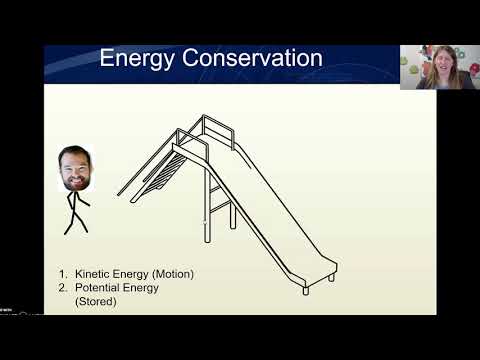
So, let’s kick things off with the basics. A catapult is mainly about converting potential energy into kinetic energy. Sounds fancy, huh? But really, it just means that stored energy (the potential) turns into the energy of motion (the kinetic). When you pull back that arm of the catapult and release it, bam! The stored energy flings whatever you decided to launch.
Now, here are some key principles that make the catapult tick:
- Potential Energy: This is like the spring in your step when you’re ready to jump. The higher you pull back the arm, the more energy gets packed in.
- Kinetic Energy: This is where things get moving! Once released, that stored energy whooshes into action. The stone or whatever you’re flinging gains speed and flies through the air.
- Trajectory: It’s all about angles. Where you aim that thing will decide how far or high something goes. There’s a sweet spot for launching stuff!
- Force and Mass: The heavier your projectile (the thing being launched), the more force you’ll need to get it moving fast enough to travel far.
Alright, so let’s think about some common applications completely outside of your backyard battles with friends. Catapults aren’t just history lessons; they’ve influenced modern engineering too! Ever heard of trebuchets? They’re just catapults on steroids! These bad boys were used during sieges and are super interesting because they utilized gravity as well as tension.
Here’s something that might get you thinking: even roller coasters use principles similar to those found in catapults! That initial pull up has all that potential energy waiting for a thrill-seeker’s release down the track.
And then there’s sports! Think about shot puts or javelins—athletes are basically human catapults using their muscles to create force and send things flying through the air.
I remember when I built my first little catapult out of popsicle sticks and rubber bands—it was such a blast! Watching that marshmallow soar was pure magic; I was hooked on science from then on.
Understanding these principles isn’t just for fun; it’s pretty crucial for engineers designing everything from amusement rides to aerospace technologies.
So there you go—a peek into what makes catapults tick and why they’re no mere childhood toys but fascinating pieces of physics at work in our world! You see? Science is everywhere—even in something as simple as launching a little foam ball across your living room.
Comprehensive Guide to Physics Catapult Projects: Downloadable PDF Resources and Insights
The world of physics is full of cool stuff, and one of the most fun ways to explore it is through catapults. You ever seen one of those things launch a pumpkin? It’s like magic, but it’s really just good old science at work! So, let’s break down the physics behind catapults and what makes them tick.
First off, a catapult is a device designed to launch an object a great distance. Basically, it stores energy and releases it quickly to send something flying. The whole process involves some key physics principles: potential energy, kinetic energy, trajectory, and force.
When you pull back on the arm of a catapult, you’re putting energy into it. This stored energy is called potential energy. Then, when you let go, that potential energy turns into kinetic energy—the energy of motion—as the projectile zooms off into the air.
Now, let’s get into some specifics:
- Potential Energy: This is what you have before you launch something. Think about winding a rubber band; the more you stretch it, the more potential energy builds up.
- Kinetic Energy: Once you release that rubber band (or in this case, the projectile), it speeds off! That’s kinetic energy in action.
- The Angle of Launch: The angle at which you launch can make all the difference. A 45-degree angle? That’s usually optimal for distance because it balances height and horizontal speed.
- Air Resistance:b: Don’t forget about drag! As your projectile flies through the air, it’s fighting resistance that can slow it down.
Thinking back to my childhood, I remember building my own mini catapult out of popsicle sticks and rubber bands with friends. We experimented with different angles and weights—seriously fun times!
One interesting example is how ancient armies used large catapults for sieges. They understood these principles inherently; they knew if they wanted to hit a target far away—and often higher up—they had to adjust their angle and structure accordingly.
So if you’re planning to do your own catapult project—like making one for school or just for fun—consider these elements carefully! There are tons of resources out there where you can find downloadable PDFs that break down different designs and experiments involving catapults.
In short, by playing around with something as simple as a catapult, you’re diving deep into fundamental physics concepts without even realizing it! Just remember—experimenting is key. Try changing angles or materials to see what works best for your launch. It’s all part of learning in this super exciting field!
You know, catapults are one of those things that just seem super cool and powerful, right? I mean, who wouldn’t get a little excited thinking about launching a heavy object across a field? But there’s actually some really fascinating science behind how they work.
So, let’s break it down. At their core, catapults are all about physics—specifically, they deal with energy transfer and motion. When you load a catapult, you’re storing potential energy. That’s just a fancy way of saying you’re getting it ready to go! Picture yourself pulling back on that lever. You can feel the tension building up. That’s the potential energy waiting to be released.
The moment you let go, all that pent-up energy transforms into kinetic energy—the energy of motion! The arm of the catapult swings forward, launching whatever you’re hurling at incredible speed. It’s like that moment when you finally pop open a soda can and the fizz rushes out all at once; it’s pretty exhilarating stuff!
I remember as a kid building one in my backyard with my friends—just a few sticks and some rubber bands. We thought we were geniuses until we realized our ammunition (which was usually small rocks) frequently flew off course. But man, when we got it right…it felt like magic! That thrill of watching something soar through the air is unforgettable.
Now, here comes the nerdy part: the angle at which you launch something from a catapult is crucial too! Launching at 45 degrees gives you the best distance because it balances both vertical and horizontal motion. If you launch too steeply or too flatly, well…you might just end up launching your projectiles into nearby trees or your neighbor’s garden—which could be fun for some but not exactly what you aimed for!
And let’s not forget about tension and elasticity in those materials used to build these contraptions. Catapults made from different materials will perform differently because each material stores and releases energy in its unique way.
In essence, playing around with catapults isn’t just child’s play; it’s actually tapping into fundamental principles of physics without even realizing it! So next time you’re tossing around ideas for weekend projects or simply daydreaming about launching stuff across fields—remember there’s some serious science behind all that fun!