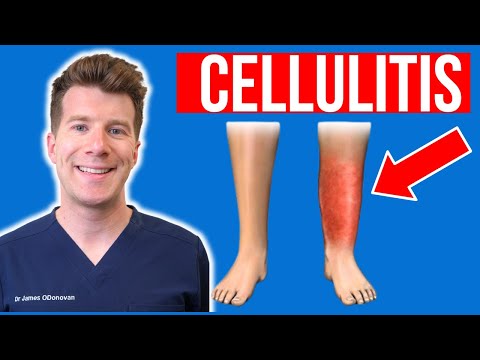
You know that feeling when your skin suddenly looks like it’s auditioning for a horror movie? Yeah, that’s definitely not something you want in your life. Well, let me introduce you to cellulitis.
It’s like when bacteria throw a wild party under your skin, and, trust me, it can get messy. One moment, you’re just chilling, and the next, boom! Your leg is swollen and tender. Crazy, right?
The thing is, cellulitis isn’t just about looking weird. It’s got some serious science behind it. There’s this whole pathophysiology thing going on that explains how those pesky germs invade and mess with your body.
So let’s unravel this. I’m here to break down what happens when the skin gets infected, why it swells up like a balloon, and what we can do about it. You ready? Let’s jump into the fascinating world of cellulitis together!
Exploring Purulent Drainage in Cellulitis: A Scientific Analysis of Symptoms and Treatment
Cellulitis, you know, is one of those skin infections that can turn pretty serious if not dealt with. It often starts as a small cut or a bug bite that gets infected. The skin becomes red, swollen, and sometimes even feels warm to the touch. But what really happens in the body when cellulitis strikes?
Basically, it’s caused by bacteria—most often **Streptococcus** or **Staphylococcus** species—that creep into the skin through any break. This leads to your immune system kicking into high gear. You might notice some classic symptoms like redness and swelling showing up in the area around the infection. Adding to this is **purulent drainage**, which is just a fancy way of saying there’s pus forming at the site of infection.
When pus forms, it’s basically a collection of dead white blood cells, bacteria, and tissue debris that your body produces as it tries to fight off these invasive germs. It can be super uncomfortable and indicate that the infection is worsening or spreading.
Here are some key symptoms you might see:
- Redness and swelling: The affected area will usually look inflamed.
- Pain: Touching it can really hurt.
- Fever: Your body’s way of fighting off infection.
- Purulent drainage: That’s where the pus comes in; it’s a signal that the body is reacting strongly.
So what about treatment? Well, if you find yourself dealing with cellulitis, timely intervention is key.
Often healthcare providers prescribe antibiotics because they target those pesky bacteria. Sometimes over-the-counter pain relievers help manage discomfort as well—as long as you’re not allergic or advised against them by a professional.
If there’s significant **purulent drainage**, doctors might have to drain that pus out surgically—it sounds super intense but can really help speed up healing! And let me tell you, I’ve seen friends get cellulitis and after proper treatment, they bounce back pretty quickly; it’s reassuring!
It’s also crucial not to ignore early signs because untreated cellulitis can lead to more severe conditions like sepsis—a whole-body response to infection that can be life-threatening.
But don’t confuse cellulitis with similar conditions like abscesses or necrotizing fasciitis; while they all involve bacterial infections and inflammation in the skin layers, their severity and treatment differ significantly.
Just remember: if you notice something odd on your skin—especially if it seems painful or you’re seeing pus—don’t hesitate! Getting medical attention early means a quicker path back to health without complications hanging around longer than they should.
Understanding the Pathophysiology of Cellulitis: Mechanisms, Causes, and Clinical Implications
Cellulitis is more than just a fancy name for a skin infection; it’s actually a complex condition that can cause some serious problems if not treated well. Understanding how it happens, the mechanisms behind it, and its implications can really help in both preventing and managing this infection. So let’s break it down a bit.
First off, what is cellulitis? Basically, it’s an infection that often occurs in the deeper layers of the skin, particularly the dermis and subcutaneous tissue. Picture your skin as a fortress—cellulitis is like an army sneaking in through a crack. When bacteria like Staphylococcus aureus or Streptococcus pyogenes make their way into your skin, that’s when trouble begins.
Now, how does this happen? The mechanisms are pretty interesting. When bacteria invade, your immune system kicks in to fight them off. It sends out white blood cells to the battlefield, releasing various chemicals called cytokines. These little guys are responsible for inflammation and help recruit more immune cells to the site of infection. So, if you notice redness and swelling on your skin, that’s just your body doing its thing! But if too many bacteria attack or if your immune response isn’t strong enough, well—then you’ve got a full-blown case of cellulitis.
There are several factors that can lead to developing cellulitis:
- Breaks in the skin: Any cut or scrape is an invitation for bacteria. Even insect bites or surgical wounds can let them in.
- Poor circulation: If blood flow is bad due to conditions like diabetes or venous insufficiency, healing gets tricky.
- Poor immune function: If your immune system isn’t up to snuff because of illnesses like HIV/AIDS or due to medications that suppress immunity.
- Skin conditions: Things like eczema or athlete’s foot can compromise your skin barrier.
So why does it matter? Cellulitis isn’t just an itchy annoyance; it can have serious clinical implications if not addressed swiftly. If left untreated, cellulitis can spread deeper into tissues or even enter the bloodstream—a condition known as sepsis! Yikes! Symptoms typically include fever and chills along with swollen lymph nodes.
To treat cellulitis effectively, doctors often prescribe antibiotics since they tackle bacterial infections directly. You might also need pain relief—after all, nobody likes feeling sore!
In short: keep an eye on any suspicious redness on your skin and don’t ignore cuts or grazes; they could turn into something much worse! This understanding of cellulitis not only helps us appreciate our body’s defenses but also shows how crucial it is to care for our skin properly—it’s our first line of defense against infections after all!
Understanding Cellulitis Pathophysiology: Comprehensive PDF Resource for Medical Science
Cellulitis is one of those things you might not think about until it affects you or someone you care about. Basically, it’s a skin infection that can be kinda serious if not treated properly. So, what is the deal with cellulitis and how does it happen? Let’s break this down.
First off, cellulitis typically occurs when bacteria get into the skin through a break or cut. Even something as small as a bug bite can lead to trouble. The most common culprits are bacteria like Streptococcus and Staphylococcus. They’re everywhere, right? Just hanging out on our skin. But once they get into our body, things can go south quickly.
Now, when these bacteria invade deeper layers of skin—like the dermis—it sets off a chain reaction in your body. Your immune system kicks in trying to fight off these invaders. This is where the fun begins (or not). You might notice symptoms like:
This inflammation is basically your body’s way of saying, “Hey! We’ve got an intruder here!” But sometimes, this response can be way too intense, leading to more damage in the surrounding tissue.
When we talk about pathophysiology, we’re diving into how these processes affect you at a cellular level. Essentially, your body tries to contain the infection by sending more immune cells—like white blood cells—to the site. These little fighters are great at their job but can accidentally cause tissue damage in their efforts. Imagine putting out a fire but accidentally burning down part of your house in the process.
The other thing that happens during an infection like cellulitis is that fluid builds up (we call this edema). It’s kind of like when there’s a party and too many people are crammed into a small room—things start to feel tight! And swelling from fluid makes it easier for germs to spread if they’re not stopped.
In some cases, if cellulitis isn’t treated quickly enough or if your immune system is compromised for any reason—like diabetes or certain medications—it could lead to complications. You may end up with abscesses or even systemic infections which spread throughout your body.
So remember: cellulitis isn’t just an annoying skin issue; it’s a sign that something isn’t right in your body. If you notice those classic signs of infection—or if you have risk factors like recent surgery or poor circulation—make sure to reach out for medical help sooner rather than later.
Basically, understanding how cellulitis works helps us realize just how vital our immune system is and why taking care of minor cuts and scrapes is no small thing! Keep an eye on your skin; it’s your first line of defense against those pesky invaders!
When you think about skin infections, you might picture something like a bug bite or a cut that gets a little red and puffy. But then there’s cellulitis, which takes things to another level. It’s like the skin fights back, and not in a good way. So let’s chat about what’s really going on under the surface—literally.
Basically, cellulitis is an infection that sneaks into your skin through tiny cracks or abrasions. Imagine you’re at the beach, right? You’ve got your feet in the sand, feel that first warm wave lap up on your toes—you’re loving life! But then—ouch! You accidentally step on something sharp. That tiny cut could pave the way for bacteria to crash the party and start wreaking havoc.
What happens next is kind of like a dramatic scene from a movie: your immune system springs into action. White blood cells charge in to fight off those unwelcome invaders. There’s all this action and chaos as they do their job, resulting in inflammation, redness, swelling—you know how it goes. The thing is, while this response is totally normal, sometimes it can spiral out of control.
Bacteria like Streptococcus and Staphylococcus are often behind these infections. They’re sneaky little guys that usually chill on our skin without causing any trouble. But when they find an open door—like that tiny cut—you can end up with some serious issues if they multiply too quickly.
Now, here’s where things get emotional for many people: imagine living with chronic conditions or having a weakened immune system. For them, getting cellulitis isn’t just an inconvenience; it can lead to extended hospital visits and long recovery times. One friend of mine experienced this after surgery—something so simple turned into weeks of worry and pain because his body couldn’t keep up with battling the infection.
And here’s another kicker: treatment often involves antibiotics that aim to wipe out those pesky bacteria before they can do more damage. But sometimes those little bugs develop resistance—like they’re training for some superhero showdown! This reality makes healthcare professionals constantly search for better strategies to tackle infections effectively.
So yeah, understanding the ins and outs of cellulitis isn’t just some dry medical topic—it’s about real people dealing with real challenges every day. And by learning more about how these infections work, we can better appreciate our bodies’ defenses while also supporting each other when situations get tough.