So, picture this: you’re standing in front of your fridge late at night, trying to decide between leftover pizza and a sad, lonely carrot. You know you should choose the carrot, but those cheesy slices are just calling your name!
Well, turns out, what you’re munching on plays a huge role in how your body feels and functions. It’s like chemistry class but with snacks. Every bite you take is packed with nutrients and chemicals that either help or hinder your well-being.
Now, don’t freak out! I’m not here to turn you into a food scientist or anything. But understanding a bit about the chemistry of nutrition can really change the way you think about food.
You wanna feel good? Let’s chat about the science behind what fuels us—because it’s more fascinating than you’d think!
The Role of Chemistry in Nutrition: Understanding the Science Behind Food and Health
You know, when you think about food, it’s easy to just focus on the flavors and how it looks on your plate. But there’s so much more happening behind the scenes. Chemistry plays a huge role in nutrition, and understanding it can really make a difference in how we view what we eat.
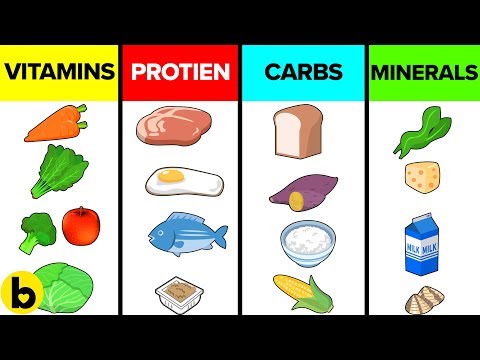
First off, let’s talk about macronutrients. These are the big guys: proteins, carbohydrates, and fats. They’re called macronutrients because our bodies need them in large amounts. The cool thing is each one has its own unique chemistry.
- Proteins are made up of amino acids. Think of them as the building blocks of life. When you eat protein-rich foods like chicken or beans, your body breaks them down into these amino acids which help repair tissues and build muscles.
- Carbohydrates, like those found in bread and pasta, are also fascinating. They come in simple forms (like sugars) and complex forms (like starch). When carbs break down into sugar in your body, they give you energy—quickly! But too many simple carbs can lead to spikes in blood sugar level.
- Fats are a bit misunderstood sometimes. They’re vital for energy storage and helping absorb certain vitamins. There are different types of fats—saturated, unsaturated—and their chemical structures determine whether they’re good or bad for you!
Then there are micronutrients, which include vitamins and minerals. You only need them in tiny amounts—hence “micro”—but they’re super important for keeping your body functioning well.
- Vitamins, like Vitamin C found in oranges, help fend off colds by boosting your immune system.
- Minerals, such as iron in spinach, are key for transporting oxygen throughout your body.
You might be wondering how all this chemistry translates to our health. Well, think back to a time when you didn’t eat well—maybe after a few days of only junk food? You probably felt tired or moody! That’s because your body wasn’t getting the right nutrients it needed to function properly.
A major part of nutrition chemistry is also about understanding how different foods interact with each other. For instance, eating iron-rich foods like red meat with vitamin C can enhance iron absorption! So basically combining healthy food can amplify their benefits.
The balance is everything. Too much or too little of any nutrient can throw things off balance leading to issues like obesity or deficiencies that have long-term effects on health.
Chemistry isn’t just about mixing stuff together; it’s about understanding how these reactions affect us day-to-day. So next time you sit down for a meal or snack on something tasty, remember the science behind it all! It might just change the way you think about what you’re putting into your body.
Exploring the Impact of Nutrition on Human Health: A Scientific Perspective
Nutrition is like the fuel that powers your body. Seriously! What you eat can totally influence how you feel, think, and function. Let’s break it down a bit, okay?
First off, nutrients are the essential compounds in our food that keep us alive and kicking. They fall into a few broad categories: carbohydrates, proteins, fats, vitamins, and minerals. Each one has its own role in keeping our bodies running smoothly. You follow me?
– Carbohydrates provide quick energy. Ever had a sugary snack before a sports game? That’s carbs giving you that boost! But too many can lead to issues like weight gain or diabetes.
– Proteins, on the other hand, help build and repair tissues. Think about muscle recovery after hitting the gym; that’s protein doing its thing.
Now let’s talk about fats. Yeah, I know what you’re thinking—fats are bad, right? Well, not all fats are created equal! Unsaturated fats (like those in avocados and nuts) are heart-healthy. But trans fats? Those are the villains we should avoid.
Okay, so here’s where it gets really interesting: vitamins and minerals. These little guys might be tiny but they pack a punch when it comes to health. For instance:
– Vitamin C helps keep your immune system strong—ever notice how people bang on about orange juice during flu season?
– Calcium strengthens bones; that’s why milk is often called “nature’s calcium source.”
But here’s the kicker: there’s this cool science thing called chemistry of nutrition. Basically, it’s how these nutrients interact with each other in our bodies to create energy or build new cells. It’s like they’re having their own little dance party inside you!
Think of vitamins as the DJ setting the mood for every nutrient to do its job right. Without those vitamins spinning tracks together nicely, things could go haywire—your body could start acting up or even get sick.
And then there’s this amazing link between nutrition and mental health too! Studies show that what we eat influences our mood and cognitive function. For example, omega-3 fatty acids found in fish have been linked to lower rates of depression.
Relating back to my own experience—there was a time when I was deep into junk food during finals week at uni. I thought it would keep me energized since it gave me that sugar rush! But all I ended up feeling was drained and cranky after crashing from those highs.
So yeah! Nutrition isn’t just about avoiding junk—it’s more complex than that. It informs everything from your physical health to mental clarity. Eating balanced meals full of diverse nutrients can help you feel better both physically and mentally.
In short—the chemistry behind nutrition impacts every aspect of human health: from energy levels to mental sharpness. So next time you’re choosing what to have for lunch or dinner, remember that each bite counts more than just filling your stomach; it’s building your future health!
The Impact of Chemistry on Food Quality and Health: Understanding the Science Behind What We Eat
So, let’s chat about chemistry, nutrition, and how they all tie into what we munch on every day. It might sound a bit geeky, but chemistry really does play a huge role in the quality of our food and our health!
First off, what is chemistry in this context? Well, it’s all about understanding the components of food—like proteins, fats, carbohydrates, vitamins, and minerals—and how they interact in our bodies. Think of it like a recipe where each ingredient has its own job to do.
For example, take proteins. They’re made up of building blocks called amino acids. Some amino acids are essential, which means our bodies can’t make them. We have to get them from our diet—like from meat or beans. When you eat proteins, your body breaks them down through chemical reactions to use those amino acids for repairing tissues or making hormones.
Now let’s talk about carbohydrates. They’re often dubbed the body’s main source of energy! There are simple carbs (like sugar) and complex ones (like whole grains). Once you eat them, your body breaks them down into glucose. Did you know that this process involves enzymes? These little guys speed up chemical reactions that turn carbs into energy we can use!
- Fats: Don’t be scared of fats! They’re essential too. Some fats provide fatty acids important for brain function and cell health. But not all fats are created equal; think about choosing unsaturated fats over saturated ones for a healthier heart.
You might be wondering about vitamins and minerals. These are the tiny superheroes in your food that help keep everything running smoothly—whether it’s your immune system or bone health. For instance:
- Vitamin C: Found in citrus fruits, it helps in healing wounds and boosts immunity.
- Calcium: Important for strong bones; you find it in dairy products and leafy greens.
Anecdote time! My grandma used to make this amazing chicken soup when I was sick as a kid. I figured it was all about love (and maybe some herbal magic), but here’s the kicker: science backs that up! The broth is rich in glycine, an amino acid that can help with inflammation—and let’s just say grandma knew what she was doing even if she didn’t have a degree!
Beyond just nutrients, chemistry also comes into play with food preservation and safety. You’ve probably heard of preservatives—those chemical compounds help keep foods fresh longer by preventing spoilage or bacterial growth.
The flip side? There’s always some debate around how certain additives affect health; sometimes people have sensitivities or allergies related to these chemicals. Always good to know what you’re putting in your body!
The bottom line? Chemistry is at play every time you eat something—giving you energy, supporting your immune system, keeping your bones healthy—the list goes on! If you think about what’s going on at a molecular level while you’re enjoying dinner tonight? Well, let’s just say that’s some powerful stuff!
No matter what new diet trends pop up or fads come and go—you can feel confident knowing that understanding the chemistry behind nutrition helps us make better choices for our health!
You know, when you think about it, food is like this magical thing we all consume every day, yet many of us barely realize what’s really going on inside our bodies after we eat. I remember one time, I was sitting at a café with a friend, and she ordered a salad. I casually asked her why she chose that over a delicious burger. She launched into this whole thing about vitamins and minerals—and honestly, I was pretty amazed at how much she knew. That little conversation stuck with me because it made me see food in a different light.
So, the chemistry of nutrition is like the behind-the-scenes crew in a movie; it might not be glamorous, but it plays a huge role in everything happening on screen. When you eat something, your body goes to work breaking it down into tiny bits called nutrients. These nutrients are the building blocks for your cells and tissues. It’s wild to think that the proteins from your chicken breast are turned into muscle or that the carbohydrates from your pasta fuel all those late-night Netflix binges.
Let’s talk about macronutrients first: carbs, proteins, and fats. Carbs? They’re like gasoline for your body—quick energy that keeps you going through those long workdays or intense gym sessions. And protein? It’s super important too! It helps build and repair tissues—think of it as construction workers rebuilding after a storm! Fats might get a bad rap sometimes, but they actually help absorb vitamins and are essential for brain health.
And then there are micronutrients—those little guys like vitamins and minerals that we need in smaller amounts but are absolutely crucial for our well-being. Ever heard someone say you should “eat the rainbow”? There’s truth to that! Different colors often mean different nutrients. For instance, orange foods can be high in vitamin A which is fab for your eyesight.
Now here’s where it gets really cool: our body doesn’t just take all these nutrients and call it a day. There’s this intricate chemistry going on – reactions happening every second to keep everything balanced and functioning properly. Think about energy production – without certain nutrients like B vitamins or magnesium…well let’s just say things would get pretty messy pretty quick!
But despite all this knowledge floating around, many of us still struggle with nutrition—especially with fast food being so accessible and easy to grab when we’re busy or stressed out (guilty!). It makes me wonder how much our daily choices impact not just our weight but also our overall health down the line.
In short, the chemistry of nutrition is more than just facts and figures; it’s part of what makes us *us*. So next time you’re contemplating what to eat or why you feel sluggish after some junk food binge-session (we’ve all been there!), remember that these chemical reactions within us matter more than we usually think they do! It’s kinda comforting to know there’s so much happening under the surface when we sit down to enjoy our meals together.