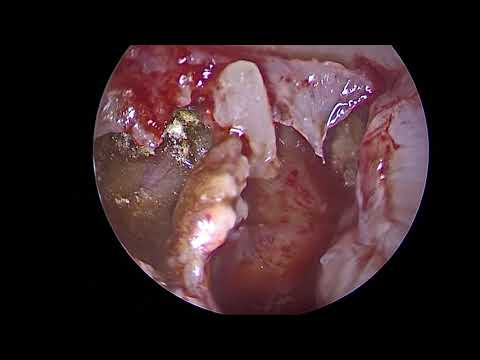
So, picture this: you’re chilling at home, scrolling through some random doctor show, and suddenly they mention cholesterol granulomas. Like, cholesterol? I thought that was just the stuff I needed to keep an eye on while munching on fries!
But here’s the thing—cholesterol granulomas are way more interesting than they sound. They pop up in weird places in your body and can totally baffle doctors. It’s not just about heart health; these little guys can cause some serious imaging mysteries in radiology.
Ever get that feeling when you think something’s one thing, only to find out it’s totally different? Yeah, that’s kind of like what happens with cholesterol granulomas. They might look like trouble on an X-ray or a CT scan, but sometimes they’re just chilling there, doing their own thing.
So let’s dig into this together! What are these granuloma things all about? And what do they mean for radiologists and patients alike? Stick around; you might just learn something new!
Distinguishing Cholesterol Granuloma and Cholesteatoma: A Radiological Perspective in Otology
Cholesterol granulomas and cholesteatomas are, like, totally different things, but they can sometimes confuse even seasoned professionals. Both may show up in the ear region, and that’s where the mix-up often happens. So, let’s break it down and see how radiology helps to tell them apart.
First off, **cholesterol granulomas** are these benign lesions typically filled with cholesterol crystals and surrounded by macrophages. They usually occur in areas like the middle ear, particularly in folks with a history of chronic ear infections or inflammation. Imagine them as little pockets of irritation that just won’t go away.
On the other hand, **cholesteatomas** are more like sneaky troublemakers. They grow from skin cells in the middle ear or behind the eardrum. These bad boys can slowly destroy surrounding structures if left unchecked. Think of it as a stubborn pimple that keeps growing instead of healing.
Now, when it comes to imaging techniques—like CT scans and MRIs—these two lesions show up pretty differently. Here’s where radiology shines:
- CT Scans: Cholesterol granulomas often appear as well-defined cystic masses with a homogeneous density close to water. You’ll notice they don’t usually cause much bone erosion.
- Cholesteatomas: In contrast, these will show up as soft tissue masses that tend to erode bone structures around them. They can have an irregular shape and might include multiple layers if there’s some infection going on.
- Signal Characteristics on MRI: Cholesterol granulomas will often exhibit high signal intensity on T1-weighted images due to their cholesterol content. Meanwhile, cholesteatomas usually appear dark (hypointense) on T1-weighted images and bright (hyperintense) on T2-weighted images.
So you see how radiological imaging really helps in differentiating these two entities?
But wait! There’s more to consider: clinical history and symptoms also play critical roles here. Like if a patient has chronic ear issues or recent infections, that’s a big clue pointing towards cholesteatoma while a history of chronic inflammation could suggest a cholesterol granuloma.
In summary, recognizing the differences between cholesterol granuloma and cholesteatoma is key for effective treatment planning in otology. Radiological insights assist healthcare professionals not just in spotting these conditions but also in guiding their management choices.
So next time you’re looking at some scans or hearing about these conditions, you’ll have a clearer picture of what’s what—literally!
Comprehensive Insights into Cholesterol Granuloma Pathology: Key Outlines for Scientific Research
Cholesterol granulomas are these intriguing little formations that happen in the body, often found in places like the ear or lungs. When we talk about them in pathology, we’re taking a serious look at how they develop and what they mean for our health.
So, what **exactly** is a cholesterol granuloma? Well, think of it as a collection of cholesterol crystals surrounded by inflammatory cells. This can create a sort of lump or bump that might not cause problems right away but could lead to issues down the line.
When researchers study these granulomas, they consider various factors. Here’s some critical stuff they focus on:
- Imaging Techniques: The way we see cholesterol granulomas is super important. Techniques like CT scans or MRIs help doctors visualize these formations clearly.
- Histopathology: Looking at tissue samples under a microscope can provide insights into the structure of these granulomas. You’ll often see foamy macrophages and necrotic areas.
- Clinical Implications: Understanding cholesterol granulomas can help diagnose related conditions, especially if they’re affecting organs like the lungs or sinuses.
Let’s talk about **why** this matters! Imagine you’re at your friend’s house and their dog keeps barking at something invisible behind the couch. You start to investigate and find out there’s an old tennis ball stuck back there—it’s harmless but could eventually cause chaos if it goes unnoticed. Cholesterol granulomas are kinda like that; sometimes they’re found incidentally during scans for other issues but, if left unchecked, could lead to bigger problems.
There’s also something pretty fascinating about their formation. It often starts with some sort of irritation or injury in the tissue; think: trauma, inflammation or even infections. As your body tries to heal itself, it sometimes overreacts and starts accumulating all this cholesterol. The result? A little cluster that can get quite complex.
In radiology specifically, spotting these little guys early on can change treatment plans significantly. If a doctor sees signs of infection alongside a granuloma on an imaging scan, well that might signal more urgent intervention is needed—like antibiotics or perhaps surgery.
Also important is the **demographics**: Cholesterol granulomas aren’t equally distributed across populations. Studies suggest certain groups may be more prone based on underlying health conditions or genetic factors.
So yeah, researching cholesterol granulomas isn’t just for doctors sitting in labs; it has real-world implications for how we approach treatment and patient care! It reminds us—a lot of times things that seem minor could have serious knock-on effects later on… kind of like ignoring that barking dog!
In short, understanding cholesterol granulomas through both pathology and imaging helps unravel lots of mysteries behind seemingly small health issues that could become problematic if left unchecked—and who doesn’t want to catch those early?
Cholesterol Granuloma in Radiology: Insights into Diagnosis, Imaging Techniques, and Clinical Implications
Alright, so let’s talk cholesterol granulomas in radiology, huh? Sounds fancy but don’t worry; we’ll break it all down. Basically, **cholesterol granulomas** are these little lumps that form when cholesterol builds up in body tissues, leading to an inflammatory response. They often pop up in places like the ear or within cysts, and can be a bit tricky to spot.
Now, when it comes to **diagnosis**, it can be a real puzzle sometimes. These granulomas don’t always show clear symptoms. You might think you have an ear infection or something else entirely. That’s why imaging techniques become super important.
Radiologists often rely on methods like **MRI** and **CT scans** for a closer look. Here’s where it gets cool:
- CT Scans: These give detailed cross-sectional images of your body’s internal structures. Cholesterol granulomas usually show up as well-circumscribed, hyperdense lesions—meaning they’re pretty solid compared to surrounding tissues.
- MRI: This technique is awesome for soft tissue contrast. Granulomas will often show areas of high signal intensity on T1-weighted images due to their cholesterol content.
So how do you tell them apart from other things? Well, that can be tricky! Often, they’ll need to be differentiated from other types of lesions or tumors because they can look similar on scans.
But let me tell you a little story here. Imagine being at the doctor and getting an MRI because your ears have been bothering you forever. You’re sitting there worried about everything from tumors to wax build-up! Then the doctor says it’s just a cholesterol granuloma—phew! It’s usually not something scary; more like an annoying guest that overstayed its welcome in your body.
Now onto the **clinical implications** of finding one of these pesky things! Typically, they don’t require treatment unless they’re causing problems —like pressure effects on nearby structures or persistent pain. In those cases, surgeons might need to step in and remove them surgically.
You might also wonder why understanding these is crucial for radiologists and clinicians alike. It helps them avoid unnecessary treatments or anxiety for patients when they come back with unusual findings from scans.
So yeah, cholesterol granulomas might not make for the most exciting topic at parties (unless you’re at a medical conference), but they are definitely significant in the realm of radiology! Understanding how to diagnose and differentiate them plays a vital role in patient care and peace of mind.
Cholesterol granulomas, huh? You might not hear about them every day, but they’re actually pretty interesting once you start digging into it. So, these little guys are a type of inflammatory response that shows up in various tissues of the body, often in areas like the ear or the lungs. They’re formed when cholesterol crystals accumulate and then trigger a reaction from the immune system—yeah, that’s where the whole “granuloma” thing comes from.
Imagine you’re walking through a beautiful park on a sunny day. You spot a cozy patch of grass, and you lay down there to soak in the sunshine. But then suddenly, a bunch of busy ants decide to invade your peace with their relentless activity! That’s kind of like what happens when cholesterol crystals settle where they shouldn’t—they’re like uninvited guests stirring things up. The body reacts with inflammation, trying to clear out those pesky crystals.
Now let’s talk about imaging—because this is where things get real intriguing! Radiology plays a key role in spotting these granulomas. On an X-ray or CT scan, they might show up as these distinct masses that can sometimes look similar to tumors or infections. This can lead to misdiagnosis if doctors aren’t careful! It’s surprising how something so small can mimic bigger health issues.
I remember my friend Jamie telling me about her experience with radiology after she started having issues with her ear. After some scans and tests that seemed endless at times, they found some cholesterol granulomas lurking there. She was relieved it wasn’t anything serious but also baffled by how something so tiny could cause such problems.
Understanding cholesterol granulomas is crucial not just for diagnosis but also for treatment decisions. Depending on where they show up and what symptoms are present, doctors might recommend different approaches ranging from monitoring to surgical intervention. And who’s got time for unnecessary procedures when sometimes just keeping an eye on things is enough?
That said, it really highlights how important imaging techniques are in radiology—not just for identifying potential diseases but also for understanding the whole picture of what’s going on inside our bodies. You know? It’s all connected in this intricate web of health and wellness.
In the end, while cholesterol granulomas might seem like an obscure topic at first glance, they’re an interesting piece of the puzzle in understanding inflammation and tissue responses within our bodies—and they remind us just how complex (and sometimes surprising) human biology can be!