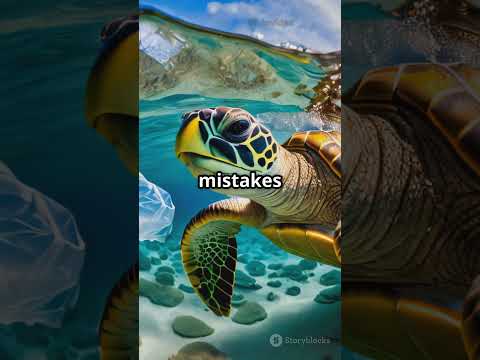
So, the other day, I spilled my coffee all over some important papers. I mean, of all the days! But then I thought: isn’t it a bit like how we treat the planet? Messy and chaotic?
Seriously though, climate change is kind of like that coffee spill. We’re creating a big ol’ mess, and it’s high time we clean it up!
You know, scientists have been shouting from the rooftops about this for years. They’re waving their arms like frantic waiters trying to get our attention. And honestly? It’s about more than just polar bears and melting ice caps.
Let’s chat about what’s really going on with our planet. There are so many layers to this whole climate situation that it can feel overwhelming. But don’t worry! We’ll break it down together—nice and easy.
So grab your favorite drink (maybe not coffee this time?) and let’s dive into the wild world of climate change and environmental challenges. What do you say?
Understanding the Scientific Consensus on Climate Change: Evidence and Implications for Our Planet
Alright, so let’s talk about climate change. It’s kind of a big deal, right? The scientific community is pretty much in agreement on this topic, and that’s what we call a scientific consensus. Basically, a bunch of scientists from all over the world have gathered loads of evidence pointing to the fact that human activities are heating up our planet. So, what’s behind all this? Let’s break it down.
Evidence for Climate Change comes from various sources. One of the key pieces is the increasing levels of greenhouse gases in the atmosphere. You’ve probably heard of carbon dioxide (CO2)—it’s like a warm blanket wrapped around Earth, trapping heat and making it warmer than it should be.
You see, when we burn fossil fuels for energy or drive our cars everywhere, we’re pumping tons of CO2 into the air. But it’s not just CO2; there are other players too, like methane from livestock and nitrous oxide from fertilizers. The impact here is pretty serious.
- The planet’s average temperature has gone up by about 1°C since the late 1800s.
- Ice sheets in places like Greenland are melting faster than ever.
- Sea levels are rising due to a mix of melting ice and thermal expansion (water expands as it warms).
You know what really hits home? I remember taking a trip to Glacier National Park a few years back. It was breathtaking—huge mountains and stunning glaciers. I went back recently and noticed those glaciers are shrinking at an alarming rate. It made me think—wow, this isn’t just some far-off issue; it’s happening now!
The implications of climate change are huge for everyone on Earth. We’re talking about more extreme weather events: heatwaves, hurricanes, floods… you name it! These aren’t just headlines; they affect real people—like folks losing their homes or farmers struggling with unpredictable seasons.
This brings us to what we can do about it. Governments worldwide are starting to take action by setting targets to reduce greenhouse gas emissions. For instance:
- Many countries aim for net-zero emissions by 2050.
- The shift towards renewable energy sources like wind and solar is gaining momentum.
- Sustainable practices in agriculture can help reduce emissions as well.
You might be thinking: “That sounds great and all, but how does that impact me?” Well, it means you’ve got power! Every time you choose to bike instead of drive or support local businesses that prioritize sustainability, you’re contributing to that shift. It’s small choices adding up!
In the end, it’s clear science backs up climate change as a reality driven by human actions. With each piece of evidence piling on top of another like stacking blocks—it gets harder to deny its existence. If we work together while being informed about these changes—and their consequences—we can definitely make moves towards protecting our planet!
Unveiling the Scientific Consensus: What 99.9% of Scientists Agree On
Alright, so let’s get real about what scientists actually agree on when it comes to climate change and environmental issues. You see, a whopping 99.9% of scientists in relevant fields have come to a shared understanding. This isn’t just some random number tossed around; it’s based on years of research and data collection.
So, here’s the deal. The core point they all agree on is that human activities are driving climate change. Kind of wild, huh? What we’re talking about is things like burning fossil fuels, deforestation, and industrial processes releasing greenhouse gases into the atmosphere.
- Greenhouse Gases: These are like a blanket for our planet. They trap heat from the sun, and while Earth needs some heat to stay cozy, too much makes it like an overheated oven.
- Temperature Rise: Global temperatures have increased by about 1.2°C since the late 19th century. That might not sound like much but it leads to massive changes in weather patterns.
- Melting Ice Caps: Glaciers and polar ice are melting at alarming rates. This isn’t just sad for polar bears; when ice melts, sea levels rise, threatening coastal communities.
But let’s not just throw data at you without some context! I remember reading about a small island community that had to relocate because rising sea levels made their homes unlivable. They literally packed up their lives and moved because of something happening halfway around the world! It hits home when you think about real people affected by these changes.
Now, here’s another kicker: extreme weather events are also on the rise. More hurricanes, droughts, floods—you name it! And guess what? Scientists say this is no coincidence; they’re connected to our warming planet.
- Droughts: Regions that used to be reliable for crops are becoming dryer. This threatens food security.
- Storm Intensity: Hurricanes are gaining strength thanks to warmer ocean waters fueling them up.
But hold up—some folks still argue there’s no consensus or that climate change isn’t real. Here’s where things get interesting; most published studies support the scientific consensus. Seriously! If you look at thousands of papers on this topic, over 97% support the view that humans are causing warming trends.
So why does this matter? Well, understanding this consensus is crucial for moving forward with effective policies and solutions for our planet’s health.
The bottom line? Ignoring what science has laid out is risky business for everyone—like playing dodgeball blindfolded! Our environment isn’t just another topic; it’s about our future and what kind of world we leave behind for generations to come.
In essence, what you’re seeing isn’t just scientists being dramatic—it’s years and years of research pointing us towards urgent action needed now rather than later! The clock’s ticking—so let’s be smart about how we move forward together!
Understanding the Scientific Theory of Climate Change: Insights from Earth Science and Environmental Studies
So, climate change, right? It’s one of those topics that can feel super heavy. But don’t worry, I’ll break it down so it all makes sense! The scientific theory of climate change isn’t just some wild guess; it’s based on solid evidence from Earth science and environmental studies.
To start, let’s look at what we mean by climate change. It’s basically the long-term alteration of temperature and typical weather patterns in a place. This isn’t just about a hot summer or a cold winter—it’s about shifts that happen over decades or even centuries.
One major part of this theory is the greenhouse effect. Think about a car parked in the sun. It gets super hot inside because sunlight enters but can’t escape easily. That’s kind of what’s happening with our planet. Gases like carbon dioxide and methane trap heat in the atmosphere. This is totally natural—without it, Earth would be freezing! But here’s the kicker: human activities have cranked up these gases to levels that aren’t just normal anymore.
- Burning fossil fuels: Your car, your heat—these all release CO2 when you burn gas or oil.
- Deforestation: Trees absorb CO2, so cutting them down means less carbon absorption.
- Agriculture: Cows produce methane during digestion; it’s a potent greenhouse gas!
You see, every time we do these things, we add more gasses to the atmosphere. When I was younger, I remember going on a school trip to a forest preserve that had been cleared for farming. It felt sad seeing those trees gone—like losing pieces of our planet.
The science around this isn’t just lab work; it involves observations from across the globe. Scientists analyze weather patterns and temperatures from years gone by—think ice cores drilled from glaciers or tree rings indicating past climates. They compare current data to understand how things are changing now compared to before.
What really hits home is how this affects us directly. Weather extremes like hurricanes and droughts are becoming more common and intense because of climate change. You might’ve even noticed more frequent severe storms in your area lately! That’s not just coincidence; it’s connected to those rising global temperatures.
- A rise in sea levels: Higher temperatures melt ice caps; this leads to coastal flooding.
- Ecosystem shifts: Many animals can’t keep up with changing habitats—think polar bears struggling on melting ice!
The thing is, understanding climate change isn’t just for scientists in lab coats—it impacts all of us! Knowing how human actions lead to changes can motivate better choices moving forward, you know? So many folks are coming together nowadays talking about eco-friendly practices—we’re talking renewable energy sources like solar and wind power instead of fossil fuels!
Emailing your local representatives about environmental policies or participating in community clean-ups can also make real differences! It reminds me of when my friends and I organized a cleanup at our local beach last summer; we found so much plastic! Just little steps can add up big time if everyone pitches in.
The scientific perspective on climate change shows us an undeniable link between our actions today and the world we’ll live in tomorrow. And honestly? It shows we’re not just victims but players who can help shape our future for a healthier planet!
You know, climate change is one of those topics that can feel super heavy, right? It’s like we’re all aware that it’s a problem, but sometimes it’s hard to grasp just how impactful it is on our daily lives. I remember sitting under a tree at my local park one sunny afternoon. The wind was blowing gently, and I was sipping lemonade while watching kids play. Then it hit me—this beautiful day could be different in the future. Like, really different. And that got me thinking about what science says about all this.
Basically, scientists are pretty worried about how our planet’s behaving lately. They’ve been gathering data for decades now, and what they see isn’t great. Temperatures are rising and weather patterns are becoming more erratic. You might’ve noticed hotter summers or weirder storms where you live? Yeah, that’s not just your imagination. It’s all part of the chaotic dance between greenhouse gases—like CO2—and our atmosphere.
So here’s the thing: greenhouse gases trap heat from the sun like a blanket around Earth. While a cozy blanket sounds nice on a chilly night, too many blankets can suffocate you! That’s kind of what’s happening with our planet; we’re heating things up in ways that make it tough for ecosystems to keep up.
But hey, it’s not just about temperatures going up! Coral reefs are bleaching because the oceans absorb some of this excess heat and carbon dioxide. Picture those vibrant underwater cities turning ghostly white—it feels heartbreaking! Marine life is changing too; fish populations shift as they try to find cooler waters or suitable conditions for breeding.
And let’s not forget about us humans! Food security is becoming a real challenge as crops struggle in unpredictable climates, leading to everything from higher prices at the grocery store to potential shortages in some areas. Countries across the globe have to come together—because climate change doesn’t care about borders!
Now don’t get too overwhelmed; I know sometimes these facts can feel like doom scrolling through social media headlines that stress you out even more! But here’s where scientific perspectives get hopeful: innovations are happening everywhere! Researchers are working on renewable energy sources like solar and wind power as alternatives to fossil fuels. There’re fantastic projects growing urban green spaces or restoring habitats too.
At the end of the day, science isn’t just about numbers and charts—it tells stories too: stories of resilience, hope, and community action. So yeah, whether you’re out there planting trees with friends or simply being mindful of your energy use at home—it all counts.
So let’s keep learning from scientists while also staying engaged in conversations around climate issues because, hey, every little bit helps when it comes to protecting this beautiful planet we call home!