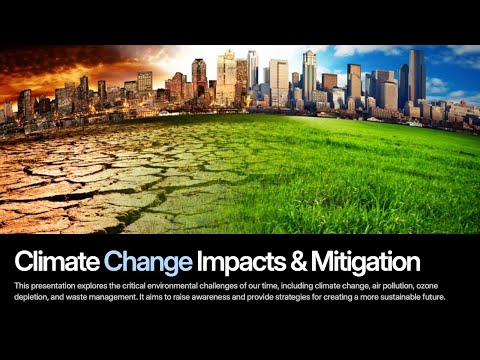
So, picture this: you’re at a barbecue, and your buddy insists on grilling the chicken using a solar-powered grill. You laugh, right? But then you realize, he might be onto something.
Climate change is no joke. We’re feeling it everywhere—like that wacky weather that’s totally out of whack. It’s like Mother Nature’s throwing us a curveball and we’re stuck trying to catch it without a glove!
Now, I know what you’re thinking: What can we really do about it? The thing is, there’s hope. People are getting creative with some seriously cool strategies to tackle this mess.
From sustainable energy solutions to quirky urban gardening projects, there’s a lot happening out there. And trust me, it’s not just the same old stuff you’ve heard before.
Let’s chat about these innovative ideas that could make our planet a little greener and our future a whole lot brighter!
Exploring the 7 Pillars of Climate Change: A Scientific Perspective
Climate change is one of those topics that can feel really overwhelming, right? But breaking things down might help a bit. So, let’s explore what some folks call the “7 Pillars of Climate Change.” These pillars are basically the core elements that we need to get our heads around if we want a better understanding of this global challenge.
- Greenhouse Gases. You know how when you breathe out, you release carbon dioxide? Well, imagine billions of humans and animals doing that all the time! This is just one part of a bigger picture. We’ve got gases like CO2 and methane trapping heat in our atmosphere, making it warmer. It’s like putting a blanket over the Earth.
- Energy Production. Think about how much energy we use every day—lights, cars, factories. Most of this comes from burning fossil fuels like coal and oil. But what if we switched to cleaner sources? Wind and solar power are totally awesome alternatives that don’t emit those nasty greenhouse gases!
- Agriculture. The food we grow and eat has a massive impact on climate change. Agriculture can release tons of greenhouse gases due to livestock digestive processes and fertilizers. Picture this: cows produce methane. So maybe eating less beef could actually help reduce emissions!
- Deforestation. When trees are cut down or burned, they release stored carbon dioxide back into the air. Plus, fewer trees mean less oxygen for us to breathe! It’s like losing nature’s lungs—so planting trees and protecting forests is super crucial!
- Waste Management. Ever think about where all your trash ends up? Landfills can produce methane too as waste breaks down. Reducing waste through recycling or composting helps lessen this problem—and hey, it’s kinda good for your community too!
- Water Resources. Climate change affects rainfall patterns and water supplies. Some areas get flooded while others face droughts! This imbalance creates stress on agricultural practices and drinking water availability—definitely not ideal for anyone!
- Public Policy & Education. Understanding climate change isn’t just about science; it’s also about people working together to create solutions! Governments can implement policies that promote sustainable practices while educating folks about their role in fighting climate change.
So basically, these seven pillars touch on different but interconnected parts of the climate crisis. It’s like a spider web; tug on one section, and it impacts everything else! Tackling climate change means looking at all these areas seriously.
Think back to when someone first told you about recycling—it was a simple concept but made you feel empowered to make a little difference in your community. That’s what addressing these pillars is all about! Each small action adds up.
And look, while climate change can feel daunting sometimes, every step towards understanding it better helps us fight against its impacts more effectively together!
Exploring Six Innovative Technologies Driving Global Adaptation to Climate Change
Climate change is like that uninvited guest who keeps showing up at parties, and it’s high time we grabbed some innovative tools to deal with it. Let’s talk about six cool technologies that are making a real difference in how countries adapt to this changing climate.
- Smart Agriculture: Imagine crops that can withstand drought or pests without extra chemicals. With **precision farming**, farmers can use sensors and data analysis to optimize water usage and nutrient application, giving plants exactly what they need while saving resources. It’s a win-win for both the environment and our dinner tables.
- Renewable Energy: Solar panels and wind turbines are becoming more common, but it doesn’t stop there. New tech, like **floating solar farms**, harnesses sunlight from bodies of water, reducing land usage while generating power. Plus, they help keep the water cool—so it’s like getting two benefits from one solution!
- Green Infrastructure: Think of urban areas that embrace nature instead of pushing it out. Cities are using **green roofs** and **permeable pavements** that absorb rainwater rather than letting it all run off into storm drains. This helps reduce flooding and keeps cities cooler during heatwaves. You see? Nature’s got some pretty neat tricks up her sleeves.
- Water Management Technologies: With changing weather patterns, water scarcity is becoming a headache in many places. Innovative tools like **desalination** plants (which turn seawater into fresh water) or smart irrigation systems save precious resources by delivering just the right amount of water to crops. Less waste equals more sustainability.
- Biodiversity Conservation: The fight against climate change isn’t just about technology; it’s also about protecting our planet’s rich tapestry of life! Techniques such as **genetic engineering** can help endangered species adapt to new environments or resist diseases. For example, scientists are working on corals that can better survive warming oceans—kind of like giving them a superhero cape!
- Circular Economy Initiatives: This one’s all about reducing waste by rethinking how we use materials. Instead of the usual take-make-dispose model, businesses are now looking at how products can be reused or recycled—like turning old tires into rubber roads or upcycled fashion pieces! It’s about making sure nothing goes to waste because planet Earth deserves better.
These technologies don’t just represent cool science; they signify hope for a sustainable future amid all those scary headlines we often hear about climate change. Each innovation brings us one step closer to adapting effectively while protecting our planet for future generations—because let’s face it, we only have one home! So here’s to innovation—may it continue blazing trails toward solutions we desperately need!
Effective Strategies for Mitigating Future Climate Change: Insights from Environmental Science
Sure, let’s talk about this critical subject—climate change. It’s kind of daunting, isn’t it? Like, you wake up, check the news, and it feels like every other headline is about melting ice caps or extreme weather. But there are definitely some effective strategies out there that scientists and thinkers have been bouncing around to tackle this issue head-on.
First off, one major strategy is switching to renewable energy sources. You know how we’ve depended on fossil fuels forever? Well, they’re basically like that friend who always shows up late—not reliable at all! Transitioning to things like solar and wind power can drastically cut down on greenhouse gas emissions. Imagine huge solar farms soaking up the sun or wind turbines spinning gracefully on the horizon. Pretty cool visual, huh?
Another biggie is improving energy efficiency. Think about your home—just by upgrading to energy-efficient bulbs and appliances, you’re already taking a step towards being nice to the planet. It’s not just households; businesses can optimize their operations too. Factories can implement smarter technologies that use less power while still cranking out products.
Now let’s chat about carbon capture technology. Sounds fancy? It is! This involves capturing carbon dioxide emissions from places like power plants before they even hit the atmosphere. Then you store it underground or even reuse it—like turning it into some materials we might use again later.
And speaking of innovations, a lot of chatter has been around sustainable agriculture. What does that mean? Well, farmers are looking for ways to grow crops without wrecking the environment. This could include using less water or adopting crop rotation methods that keep the soil healthy and rich—instead of relying on chemical fertilizers which can do more harm than good.
Also crucial is what we call reforestation and afforestation. Basically planting trees! Trees are nature’s little air purifiers—they soak up CO2 and give us back oxygen. It’s a win-win! There are tons of initiatives out there encouraging communities and countries to get involved in planting trees again.
One last point I want to hit home is community engagement—it’s super important! Like when neighbors come together for a block party but instead organize clean-ups or awareness campaigns instead! Getting people involved in local initiatives fosters a sense of ownership; when folks feel invested in their communities’ well-being, they’re much more likely to stick with sustainable practices.
So yeah, these strategies all connect in some way or another; they form a kind of web of actions we can collectively take. And let’s be honest—it’ll take time and effort from everyone—but every small step counts towards something bigger!
You know, climate change is like that persistent friend who just won’t let go, right? It keeps knocking at our door, and while some folks choose to ignore it, others are gearing up to confront it head on. I remember a time when I went hiking in the mountains with friends, and we were surrounded by this beautiful expanse of nature. But, there were also signs of erosion and trees that seemed out of place—like they had given up on their own habitat. That really hit me. Nature’s not just there for us to ooh and ahh over; it’s fragile, too.
With all the buzz about innovative strategies for tackling climate change, it’s easy to feel overwhelmed or even hopeless sometimes. But you know what? There’s a lot happening out there that could actually turn the tide! For instance, some cities are transforming rooftops into green spaces with gardens. Imagine living in a concrete jungle where there’s suddenly a bit of grass and flowers popping up above you—that’s like a breath of fresh air!
This shift towards urban farming isn’t just pretty; it helps combat air pollution and provides local food sources. And have you heard about carbon capture technology? Yeah, it sounds super sci-fi, but basically, it works like this: instead of letting carbon dioxide just float off into the atmosphere after we burn fossil fuels, we can actually catch it and store it underground. Pretty wild idea!
But look, while tech is essential in these strategies, community involvement is where the magic happens too. Think about initiatives where people come together to plant trees or clean up local parks—it totally fosters connection between neighbors! Sometimes all it takes is for one person to spark action in others.
The thing is though—the real challenge lies in making these innovations accessible for everyone. Climate change doesn’t discriminate; its effects hit hard on those who already struggle economically or socially. So prioritizing solutions that uplift entire communities while being environmentally friendly should be at the forefront.
It’s clear we’ve got our work cut out for us if we’re aiming for a resilient future. Innovative solutions are popping up everywhere—yes! But they need us behind them—supporting them with action and awareness every step of the way.
I mean seriously though—if we can rally around each other as friends do during tough times, just imagine what kind of world we could create together when faced with climate change?