You know that feeling when a kid suddenly says something so profound it makes you question who’s actually the adult in the room? Like, one minute they’re talking about dinosaurs, and the next they’re pondering why we can’t see air. Seriously, where do they get these thoughts?
Cognitive growth in childhood is like watching a tiny brain blossom into a wildflower garden. Kids are little sponges, soaking up everything around them. It’s mind-blowing!
But here’s the kicker: this growth isn’t just random. There are some pretty interesting scientific insights that explain how and why kids learn the way they do. Let’s chat about it!
Cognitive Development Research Paper PDF: Insights and Innovations in Psychological Science
Cognitive development is a fascinating field that dives into how we think, learn, and understand the world around us. You might wonder why this matters so much, especially in childhood. Well, it turns out those early years are crucial for shaping who we become as adults. Researchers have been digging deep into this topic, and there’s a ton of cool stuff to share.
Cognitive growth in childhood involves several key areas. These include memory, problem-solving, language skills, and understanding concepts like time or numbers. As kids grow, they move through different stages of learning that psychologists like Jean Piaget and Lev Vygotsky have studied extensively.
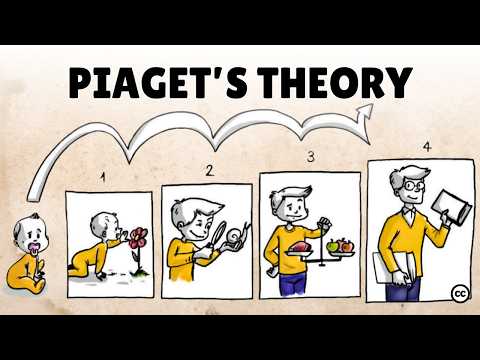
Piaget’s theory suggests that children go through four stages: sensorimotor, preoperational, concrete operational, and formal operational. In simple terms:
- Sensorimotor stage: This is when babies learn through their senses and actions.
- Preoperational stage: Kids start using language but struggle with logic or seeing things from others’ perspectives.
- Concrete operational stage: They begin thinking logically about concrete events but find abstract ideas tough.
- Formal operational stage: Teens can think abstractly and reason logically.
Now, you might be thinking about how these stages come to life in real scenarios. I remember babysitting my niece when she was around three years old. She would play with her toys while asking endless questions about everything! It was amazing to see her trying to make sense of the world by relating things she already knew to new experiences.
Vygotsky took a different approach by emphasizing the role of social interaction in cognitive development. He introduced the concept of the “zone of proximal development” (ZPD), which is all about what kids can do with help versus what they can do alone. Basically, learning happens best when they’re challenged just right—like when you help someone tie their shoes for the first time.
Recent research has also shown how important play is for cognitive growth. Children learn problem-solving skills and creativity through engaging in play activities—whether it’s building blocks or pretending to cook! It’s not just fun; it’s fundamental for brain development.
Another cool insight from modern studies is looking at technology’s impact on cognitive abilities. Some argue that educational apps can boost learning if used wisely; others warn about too much screen time leading to attention issues or social delays if it’s not balanced with real-world interactions.
In conclusion (even though I shouldn’t say that!), understanding cognitive development isn’t just academic—it has real implications for parenting and education strategies today! So next time you see a child lost in thought or figuring out a tricky puzzle, remember—they’re on an incredible journey of discovery that researchers continue to explore every day!
Cognitive Development in Childhood: A Comprehensive Guide in PDF Format
Cognitive development in childhood is such a fascinating topic. It’s all about how kids learn, think, solve problems, and understand the world around them. This whole process is influenced by different factors, like genetics and environment, which can shape their brains in unique ways.
What is Cognitive Development?
Basically, cognitive development refers to the way that children’s ability to think evolves as they grow. As little ones experience life, they build skills in reasoning, memory, and even emotional intelligence. It’s like watching a puzzle come together piece by piece.
Stages of Cognitive Development
There are several stages that kids typically go through. Jean Piaget, a famous psychologist, divided these stages into four main categories:
- Sensorimotor Stage: This happens from birth to about 2 years old. Babies learn through their senses and actions—think touching things or making sounds.
- Preoperational Stage: From ages 2 to 7, children begin to use language and symbols but struggle with logic. Imagine a kid thinking their stuffed animal is truly alive!
- Concrete Operational Stage: Between ages 7 and 11, kids start thinking logically about concrete events but still have difficulty understanding abstract concepts.
- Formal Operational Stage: From around age 12 onward, they begin to think abstractly and reason about hypothetical problems.
Each stage brings new abilities! For example, during the **preoperational stage**, many kids engage in imaginative play which boosts creativity.
The Role of Environment
Now let’s talk about environmental influences. Things like family dynamics, education level of parents, and even socio-economic status can affect cognitive growth significantly. A nurturing environment where kids feel safe can enhance their learning capabilities.
The Importance of Play
You know what else really helps? Play! Seriously! Engaging in pretend play or games can lead to greater problem-solving skills and creativity. Kids learn social cues while playing with others too—like understanding sharing or taking turns.
The Impact of Technology
In our tech-driven world today, screen time is a big topic for parents. While some tech can help with learning (like educational apps), too much screen time may hinder social interactions or physical playtime which is crucial for cognitive growth.
Cognitive Skills Development Activities
Encouraging activities that promote cognitive skills is key! Here are some fun ideas:
- Puzzles help improve problem-solving abilities.
- Baking together teaches measurements and follows steps in a recipe!
- Telling stories boosts imagination and language skills.
Through these activities, you’re not just filling their minds with facts; you’re nurturing critical thinking!
So yeah! Cognitive development in childhood is much more than just memorizing facts; it’s about building a strong foundation for future learning habits. You see? Kids’ minds grow like gardens—they need care, attention, and sometimes even a little sunshine!
Cognitive Development Examples: Insights from Scientific Research
Cognitive development is, like, a super interesting topic. It’s all about how we, as kids, learn to think, understand, and make sense of the world. Scientists have looked into this a lot and found some really cool insights. You know, it’s not just about hitting milestones; it’s about what happens in those early years that shapes who we become.
One major aspect of cognitive development you should know about is Piaget’s stages of cognitive development. Piaget was a psychologist who thought that kids go through specific stages as they grow. Here are the stages he described:
- Sensorimotor stage (0-2 years): During this time, babies learn through their senses and actions. They discover that they can make things happen by shaking a rattle or reaching for a toy.
- Preoperational stage (2-7 years): Kids start using language and symbols to represent things. They can be pretty imaginative! Remember when your little cousin insisted that their stuffed animal could talk? Yup, that’s classic preoperational thinking.
- Concrete operational stage (7-11 years): Here, children become more logical about concrete events. They can understand concepts like conservation (the idea that quantity doesn’t change even if its shape does). So if you pour juice from a tall glass into a short one, they get it—same juice!
- Formal operational stage (12 years and up): Teens begin to think abstractly and use logic in more complex situations. They can tackle hypothetical problems and think ahead.
Then there’s the idea of socio-emotional development, which links closely with cognitive growth. This is where emotional understanding kicks in. When kids interact with others—playing games or sharing toys—they learn about cooperation and empathy. This makes their brains work differently because they’re processing feelings as well as thoughts.
Take this example: Imagine two kids playing with blocks. If one kid builds a tall tower while the other knocks it down out of excitement or jealousy, they both have an opportunity to learn something important! The builder will figure out how to protect their creation next time while the ‘knocker’ might start to understand consequences—like feelings or reactions from others.
Another big player in cognitive development is language acquisition. Kids pick up language at an astonishing rate! You can see it in your niece who went from babbling to forming full sentences in just over a year or two. This shows us how intertwined language skills and cognitive skills really are.
Research also points out that play is crucial. Whether it’s building forts or pretending to be superheroes, play enhances problem-solving skills and creativity. It’s like practicing for real-life situations without even knowing it!
And don’t forget about environmental factors. The home setting matters big time! Kids surrounded by books or those whose parents read stories daily frequently show better cognitive outcomes than others who don’t have those same experiences.
So yeah, when you look at cognitive development examples from scientific research, you’re seeing that it’s this beautiful web of milestones shaped by various factors: stages of growth, social interactions, language skills—all blending together to nurture our thinking abilities from childhood onward! That just goes to show how our early experiences really stick with us for life!
You know, when you think about childhood, it’s often this whirlwind of crayons, laughter, and random questions like “Why is the sky blue?” or “Where do babies come from?”. But behind all that cuteness, there’s some seriously fascinating stuff happening in our brains—specifically related to cognitive growth.
I remember this one time I was hanging out with my little cousin. She was about five and had just discovered how to count up to twenty. Seriously, she could hardly contain herself! And as she rattled off her numbers, you could see those little gears turning in her head—like a mini light bulb going off. That moment really struck me because it’s such a clear example of cognitive development at work.
So what is cognitive growth all about? Well, it refers to how kids learn things like thinking, remembering, problem-solving…you name it. Turns out, scientists have put a lot of effort into understanding how and why these changes occur. They’ve found that children’s brains are super adaptable; like sponges soaking up information every day. Isn’t that wild?
Research shows that cognitive growth is influenced by various factors. For one, playtime isn’t just fun; it’s essential for brain development! When kids engage in play with peers or even solo activities—like puzzles or building blocks—they are learning critical thinking skills and social interactions without even realizing it.
Another cool aspect of cognitive growth comes from language development. The more words children hear during their early years—the better! It goes beyond just vocabulary; it helps shape how they think and understand the world around them. Have you ever noticed how some kids can express big ideas at such a young age? That’s the power of language in action!
Then there’s the impact of environment. Kids who grow up in stimulating backgrounds tend to excel faster cognitively compared to those who don’t have as many opportunities for learning experiences or exploration. It makes sense when you think about it: if you’re surrounded by books, art supplies, or music instruments, your brain gets more chances to grow.
But here’s the kicker: no matter how we slice it—we’re all wired differently! Each child develops at their own pace due to genetics and personal experiences which means some may grasp concepts quicker than others but still shine brightly in their own way.
So next time you see a child lost in thought while trying to piece together a puzzle or explaining why they think dinosaurs were purple (imagine that!), remember there’s science behind that wonderment growing inside their little heads! The beauty of childhood lies not just in the chaos but also in these magical moments of discovery where curiosity leads the charge for cognitive growth. Embrace those moments—they’re precious not just for them but for us too!