Okay, so picture this: you’re trying to explain quantum physics to your dog. Yeah, not gonna happen, right? But here’s the cool part—what if your dog had a super-smart robot friend that could break it down using belly rubs and treats as analogies?
That’s kind of what’s going on with computer science and AI these days! Seriously, these advancements are changing the game in so many ways.
From cracking complex problems faster than we can blink to helping scientists find new treatments for diseases, it’s wild how much tech is kicking in. You ever think about how it all connects? Me neither until I started digging into it.
So hang tight; we’re about to explore how this tech is pushing the boundaries of science like a kid on a swing set, just soaring higher and higher!
Exploring the Impact of Computer Science on Artificial Intelligence Advancements in Scientific Research
So, let’s talk about the cool relationship between computer science and artificial intelligence (AI), especially how they’re shaking things up in scientific research. You know, the tech we have today is like a supercharged engine that makes everything run faster and more efficiently.
To get a grip on this, you first have to understand that computer science is all about creating ways for computers to solve problems. And AI, well, that’s like giving those computers a brain to think for themselves. When these two come together, it’s like magic happens!
First off, consider how data analysis has evolved. Scientists collect tons of data—think millions of measurements from experiments or observations in the field. Back in the day, it would take ages to sift through all this information. Thanks to advanced algorithms in computer science, now we can process and analyze data *way* faster. For instance:
- Machine learning: It helps researchers find patterns in large datasets that are impossible for humans to catch on their own.
- Natural language processing: This lets scientists mine articles and reports quickly without reading every single paper!
- Image recognition: In fields like biology or astronomy, software can analyze images from telescopes or microscopes to find what’s relevant.
Now, there’s also something really emotional here too—like when I think about how AI has been used in medical research. Remember when scientists were racing against time during the pandemic? They used computer models powered by AI to predict how the virus spreads and even which treatments might work best.
Also, think about what AI brings to drug discovery! Traditionally, this was a slow process involving years of trial and error. With AI predictions based on existing chemical data, researchers can identify promising molecules much faster. It’s kind of like trying out hundreds of flavors at an ice cream parlor instead of just picking one; you could discover combinations you’d never even thought about!
But things aren’t always perfect; there are challenges too. Sometimes the algorithms can be biased if they’re trained on incomplete data sets—remember those times your social media feed seems stuck on the same topics? It’s sort of like that—you want diversity in input so you get better outputs!
Then there’s ethical consideration as well—like privacy concerns with medical data or accountability when AI systems make decisions based on their analyses.
In short, if you take a look around today’s scientific landscape, computer science and AI have become inseparable partners driving research forward in remarkable ways! They help us tackle big questions about our world much quicker than we could before—and maybe even uncover answers we wouldn’t’ve found without their help.
So yeah! Whether it’s speeding up data analysis or enabling groundbreaking discoveries—it’s nothing short of revolutionary! Pretty exciting stuff going on!
Exploring Scientific Breakthroughs Driven by Artificial Intelligence Across Various Fields
Artificial Intelligence (AI) is reshaping how we do science in some pretty cool ways. I mean, think about it: AI can analyze data way faster than humans ever could, and it’s helping scientists tackle problems that seemed impossible just a few years ago.
First up, let’s talk about **medicine**. AI is making waves in drug discovery. Normally, discovering new medicines takes ages and costs a ton of money. But with AI models, researchers can predict how different compounds will interact with the body much quicker. For instance, companies like Insilico Medicine use AI to identify potential drugs in just a matter of weeks instead of years! That’s a serious game changer.
Then there’s **climate science**. You’ve probably seen those climate models predicting future weather patterns, right? Well, using AI helps improve these predictions by analyzing massive amounts of historical weather data and finding patterns humans might miss. It’s kind of like having an extra set of eyes that never gets tired! Scientists are using this info to make better plans for disaster response and environmental protection.
Let’s not forget **astronomy**! Astronomers have access to tons of data from telescopes all over the world. But sifting through it all? That’s tough work! But AI tools can automatically identify objects in the sky and even classify them faster than you can say “supernova.” For instance, they’ve been able to discover new exoplanets thanks to machine learning algorithms trained on astronomical data.
Another fascinating area is **genetics**. Genome sequencing has become super affordable lately, which is awesome news! However, understanding what all that genetic data means is daunting. Here comes AI again: by analyzing genetic sequences and comparing them to known traits or diseases, researchers can find out what certain genes do without spending years doing trial-and-error experiments.
In **material science**, scientists are now relying on AI to discover new materials for everything from batteries to building materials. The way this works is pretty nifty—AI algorithms predict the properties of materials before they’re even made in a lab. With platforms like Materials Project using machine learning techniques, researchers can save time and resources while speeding up innovation.
And how about **robotics**? In fields like precision agriculture, robots equipped with AI are changing the farming game! These smart machines analyze crops from above using drones or sensors in the field to assess health conditions or identify pests—basically making farming way more efficient.
So yeah, it’s wild how far we’ve come with these technological advancements. The synergy between scientific fields and artificial intelligence opens doors we didn’t even know existed before! There are still challenges ahead—like ethical concerns or biases in AI training—but there’s no denying that this partnership has taken scientific breakthroughs up several notches.
To wrap things up:
- AI boosts drug discovery by quickly predicting drug interactions.
- Improves climate models for better predictions.
- Astronomers use it for classifying galaxies and identifying exoplanets.
- Genomics benefits from analyzing genetic data efficiently.
- Material science changes by discovering new materials faster.
- Agriculture robots enhance crop management through smart technology.
In essence, AI isn’t just some buzzword; it’s actively driving scientific progress across various fields every day!
Exploring the Latest Advancements in Computer Science: Innovations Shaping the Future of Technology
So, you know how computer science is pretty much everywhere these days? Well, it’s evolving at a mind-blowing pace, and some of the stuff happening now is just nuts! Let’s look at a few of the recent advancements that are really shaping the future of technology.
Artificial Intelligence (AI) has taken center stage. It’s not just about robots anymore; AI is enhancing everything from healthcare to education. For instance, imagine a doctor using AI to help diagnose diseases faster and more accurately. It analyzes tons of patient data way quicker than any human could.
And speaking of healthcare, there’s this cool thing called machine learning. That’s basically when computers learn from data without being explicitly programmed. Picture this: algorithms can predict patient outcomes based on previous cases, which can seriously save lives.
Another big player in the game is quantum computing. This one sounds super futuristic, but it’s real! Regular computers use bits as the smallest unit of data (you know, those 0s and 1s). Quantum computers use quantum bits or “qubits,” which can be both 0 and 1 at the same time. It means they can process so much information way faster than traditional computers could ever dream of.
Also, don’t sleep on cloud computing. This innovation allows us to store and access data over the internet instead of a local computer. You’re probably using cloud services every day—think Google Drive or Dropbox! It’s become essential for business continuity and collaboration since teams can work together without being in the same room—or even country!
Let’s move on to blockchain technology. It started with Bitcoin but has grown beyond cryptocurrencies. Blockchain provides transparency and security by making transactions verifiable yet immutable. So if you’re worried about fraud in digital transactions, blockchain may help put your mind at ease!
Then there’s something called natural language processing (NLP). You know when you talk to Alexa or Siri? That’s NLP in action! It helps machines understand human language better so we can interact with them more naturally.
And what about extending our capabilities through augmented reality (AR) and virtual reality (VR)? These technologies create immersive environments for gaming, training simulations, or even virtual meetings! Imagine walking through a building before it’s even built—all thanks to AR technology!
On another note, we can’t forget about innovations in cybersecurity. As technology grows faster than ever, protecting sensitive information becomes critical. Advanced algorithms are being developed to predict cyber threats before they happen—like having a digital bodyguard!
So yeah, with all these advancements happening in computer science right now, it’s really exciting. All these innovations aren’t just for tech geeks—they’re impacting our daily lives more than we realize! They have potential beyond what we can imagine today. Just think about how crazy it will be when today’s advancements fully unfold in our everyday experiences—you feeling me?
When I think about the advancements in computer science and AI, it’s like watching a sci-fi movie come to life. Seriously, it’s wild! Just a few decades ago, the idea that computers could help solve complex problems in science seemed like something out of a dream. But now? It’s part of everyday life.
You know, I remember sitting in my high school computer lab, feeling totally lost while coding for the first time. I felt like those lines of code were just gibberish! Fast forward to now, and AI is analyzing massive data sets faster than I ever could. It’s become this incredible tool for researchers across all fields. Like, imagine scientists working on climate change predictions or developing new medicines with the help of algorithms that can sort through mountains of information in seconds!
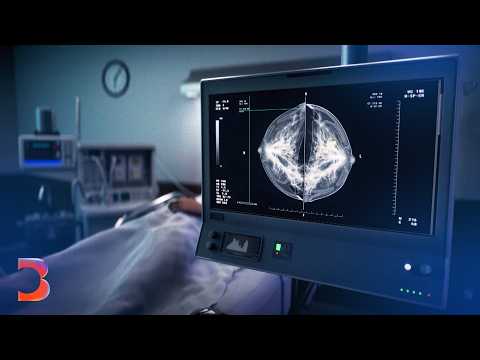
And speaking of medicine—AI has actually been making strides in diagnosing diseases. There are systems that can analyze medical images more accurately than doctors sometimes! That’s both amazing and a bit scary if you think about it. It’s like having an extra set of eyes that never gets tired or overlooks details.
But it’s not just about speed or efficiency; it’s also about creativity. AI is getting pretty good at generating new ideas. For example, researchers have used machine learning to discover new materials or even suggest novel solutions to age-old problems. It’s like having an assistant who thinks outside the box—something every scientist wishes for during those late-night brainstorming sessions.
Of course, with great power comes great responsibility (thanks Uncle Ben!). As we embrace these advancements, we also need to think critically about ethical implications—decisions made by algorithms can have real-world consequences. You’ve got to wonder how we balance innovation with accountability.
So yeah, advancements in computer science and AI are opening doors we couldn’t even imagine before. While they put tools into our hands that can accelerate scientific progress at an unprecedented rate, they also give us a lot to think about moving forward. The adventure’s just beginning!