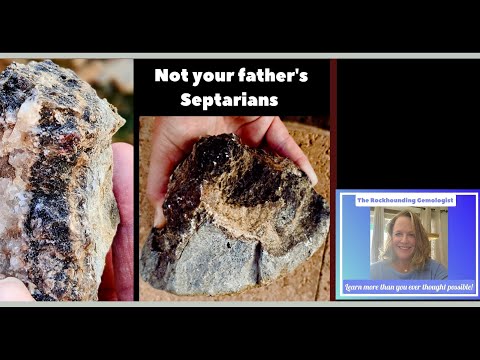
You know what’s wild? Sometimes, rocks can be way more interesting than you’d think. Like, picture this: you’re walking along the beach, and you spot a perfectly round stone. You pick it up, and it feels oddly smooth. Little did you know, that’s not just any rock—it’s a concretion!
So, what exactly is a concretion? Well, it’s like nature’s way of playing art class. These little guys are formed when minerals build up around a nucleus—think of them like those surprise eggs where something fun hides inside!
And the best part? They come in all shapes and sizes. Some look like giant lumps of clay; others are almost perfectly spherical. Seriously! You could find one that looks like an alien artifact or even a fossilized pizza (okay, maybe not the last one).
Stick around because we’re about to explore how these quirky geological formations happen. Trust me; it’ll be way cooler than your last geology class!
Exploring the Largest Concretion Ever Discovered: Insights from Geological Science
So, let’s talk about concretions! These little gems in the geological world are naturally occurring masses of mineral matter. They can form around a variety of materials, and while they may not sound like the most thrilling topic, they actually hold a treasure trove of information about our planet’s history.
Recently, the discovery of the largest concretion ever found really turned some heads in the scientific community. Imagine this: it’s massive! Measuring over 6 feet across, this giant concretion was discovered in a section of rock exposed by erosion. Seriously, that’s like finding a rock that could be mistaken for an ancient boulder!
Now, what exactly is a concretion? Well, think about how little particles cling together over time. That’s basically what happens here. They form when minerals in water fill spaces between sediment grains and gradually bind them into a solid mass. You might see these guys as round or oval shapes in sedimentary rocks.
The material that forms concretions is usually something like iron oxide or calcium carbonate. The surroundings really matter too; changes in chemistry or pressure can affect how these things develop and grow. So if you stumble upon one on a hike—it’s worth checking out!
Now onto the science part! Concretions often capture conversations from millions of years ago. When they form around organic material—like shells or plant debris—they’re literally ensnaring evidence from the past! This gives scientists clues about ancient environments. Like, with those island-style Tropical settings with lush vegetation or maybe arid landscapes where cactus-like plants thrived.
Another fun fact is that concretions can help us understand how sedimentary basins evolved over time. You see, recognizing different layers within these rocks helps geologists piece together Earth’s history bit by bit—kinda like solving a jigsaw puzzle!
But back to the big one! This largest concretion adds new insight into how such formations can grow to immense sizes under specific conditions. It sparks curiosity about how many others we haven’t even discovered yet! Imagine exploring and unearthing relics from an era when dinosaurs roamed…
So yeah, next time you find yourself outdoors near some rocky formations, take a closer look at those little round rocks peeking through! Who knows? You might find a tiny piece of Earth’s history hidden right beneath your feet… And who doesn’t love telling their friends they spotted something epic?
Understanding Concretion in Geology: Definition, Formation, and Significance in Earth Sciences
So, let’s talk about concretions in geology. These little guys are really interesting, and they show how nature can get creative with rocks. Concretions are basically hardened masses formed from minerals that precipitate around a nucleus, which might be a tiny fossil or even just a speck of sand. Think of them like nature’s way of making rock candy!
Now, you might wonder how these things form. It all starts when minerals in water start to concentrate around a core. Over time, as water moves through the sediment or rock, it carries dissolved minerals. When conditions are just right—like changes in temperature or pressure—these minerals crystallize and build up around that core. This process can take thousands to millions of years! So yeah, patience is key.
A cool thing about concretions is that their shapes can vary quite a bit: they can be spherical, elongated, or even irregularly shaped. Ever seen those round stones that pop up on beaches? Yup, those could be concretions! They often have concentric layers that make them look kind of like onions.
You might ask, “What’s the big deal about concretions?” Well, they aren’t just pretty faces in the geological world! They hold some important information about the history of Earth. For instance:
- Fossil Preservation: Concretions sometimes enclose fossils and protect them from decay. That means we can learn about ancient life forms.
- Environmental Indicators: The minerals found in these formations can tell us about past environmental conditions when they were formed.
- Cementation Process: They help geologists understand how sedimentary rocks form and evolve over time.
Anecdote time! A while back, I was hiking and came across this stunning concretion egg-shaped rock jutting out from the ground like it was trying to hatch something magical. I thought it was just a cool stone until I realized it could be home to billions of years of history—like little secrets waiting to be uncovered!
Concretions play an exceptional role in geology because they can also influence the way rocks break down and erode over time. If you’ve ever seen weirdly shaped cliffs or landscape features after erosion has had its way with layered rocks? Some of that may well be thanks to concretions resisting weathering better than their surrounding materials.
The takeaway here is that while concretions might seem simple at first glance—a bunch of minerals stuck together—they’re so much more than that! They are windows into Earth’s past and provide clues about processes happening deep within our planet right now.
So next time you see one of these fascinating formations on your hike or at the beach, take a moment to appreciate not just its beauty but everything it represents—a tiny piece of Earth’s ongoing story!
Unraveling Earth’s Greatest Geological Mystery: An In-Depth Exploration
The world beneath our feet is like a hidden treasure chest, filled with stories waiting to be unearthed. When you think of geology, what probably comes to mind are mountains, rocks, and maybe a few fossils. But there’s this neat thing called concretion that really turns heads in the geological community.
So, what’s a concretion? Well, it’s basically a rock formation that occurs when minerals precipitate from water and gather around a core. Imagine dropping a marble in some wet sand—it starts to get covered up. The same kind of process happens with concretions; minerals gradually coat something at the center over time.
These formations can come in all sorts of shapes and sizes: round ones like little gumballs, or more irregular shapes that might remind you of weird sea creatures. They’re often found in sedimentary rock layers which are pretty cool because those layers tell the story of Earth’s history. Think about it; each layer could be like flipping through pages of an ancient book!
Now let’s take a look at some examples of these fascinating things:
- Siderite Concretions: These are iron carbonate concretions that can often show up as perfect spheres or ellipses. They sometimes form in marine environments where organic matter is decomposing.
- Calcite Concretions: These beauties can be found in limestone areas and usually have this beautiful crystal-like appearance when they break apart.
- Sandstone Concretions: They often look like giant gumballs scattered throughout sandy areas! They’re mostly made from quartz or calcite and can form fairly quickly.
What’s even more impressive is how scientists use these formations to piece together past environments! For instance, if they find certain types of concretions while digging up some old sedimentary layers, they can infer whether those layers were once underwater or part of an ancient landscape.
And here’s something wild: sometimes people stumble upon these formations without even realizing it. One time, I was hiking near a riverbank and saw some oddly shaped rocks sticking out of the ground. I thought they were just regular stones! A geologist friend explained they were actually concretions formed millions of years ago, shaped by the very elements we take for granted today.
But not every concretion tells the same story. Some might form quickly under specific conditions while others take eons to solidify. Their different appearances can hint at the conditions present when they formed—things like temperature, pressure, and even what materials were around them.
In short? Concretions add another layer to our understanding of Earth’s timeline; they’re like nature’s way of keeping detailed records. It’s pretty incredible how much information these seemingly ordinary rocks can hold about our planet’s past! So next time you’re out exploring nature—keep your eyes peeled; you might just spot one yourself!
Concretions are one of those things in geology that can totally blow your mind, you know? They’re these solid masses of minerals that form within sedimentary rocks, and they come in all sorts of shapes and sizes. Picture this: you’re out hiking in a rocky area, and you stumble upon a big, round stone that’s just sitting there. It almost looks like it’s been polished, right? Well, that could be a concretion!
I remember once visiting a beach where the cliffs were lined with these oddly shaped rocks. Some looked like giant pearls, while others were more bizarre—like nature’s version of abstract art. I couldn’t help but poke around and wonder what kind of stories these stones could tell if they could talk.
So how do these things form? Basically, it all starts when minerals precipitate out of water. Let’s say you have sediment filled with tiny bits of clay or other material. Over time, water seeps through the layers and leaves behind dissolved minerals that gradually build up around a nucleus—like a seed for the mineral to grow around. Imagine doing crafts with glue and glitter; some glitter sticks to an old paper ball—that’s kind of how concretions get their shape!
But it’s not just about pretty shapes. These little wonders can tell us stories about Earth’s past climates and environments too! Researchers study them to gain insights into ancient conditions, you know? It’s like reading geological history through the lens of some funky rock.
The fascinating part is when people realize concretions aren’t just boring old rocks; they’re pieces of our planet’s storybook. You look at them and think about time passing by—how long it took for this little chunk of Earth to become what it is today. And isn’t that kind of beautiful? It shifts your perspective on nature from just background scenery to this dynamic narrative full of twists and turns.
So yeah, next time you’re wandering outside or digging in the dirt (which I sometimes do just for fun), keep an eye out for those quirky round stones or other bizarre shapes—they might be telling you something way cooler than you’d expect!