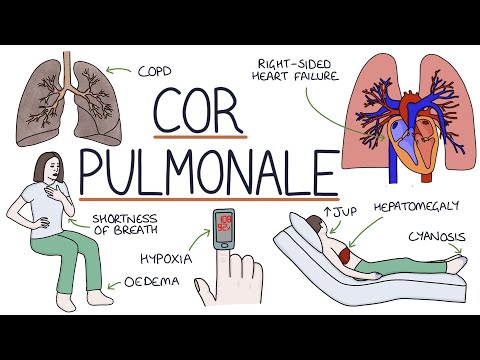
You know that feeling when you’re trying to catch your breath after running up the stairs, and your heart feels like it’s doing a little dance? Well, it turns out your heart and lungs are way more connected than we think. They’re like that dynamic duo in a buddy cop movie, always working together.
So, let’s chat about something called cor pulmonale. Sounds fancy, right? But basically, it’s what happens when your lungs throw a fit because they’re not getting enough oxygen. This causes the right side of your heart to pump harder than it should. Imagine trying to carry a heavy backpack uphill—you’d get tired super quick too!
Cor pulmonale can sneak up on you, often without any dramatic warning signs. It’s like that friend who shows up uninvited but ends up being the life of the party! And trust me, understanding how these two organs interact is key to “getting” this whole situation.
Let’s unpack this connection—a little heart and lung teamwork—because knowing how they work together helps us see why this matters for our health. What do you say?
Understanding the Pathophysiology of Cor Pulmonale: Insights into Pulmonary Heart Disease
Cor pulmonale is one of those terms that sounds pretty heavy, but it basically refers to heart problems caused by long-term lung issues. And yeah, the link between the lungs and the heart is really significant—like best buddies that depend on each other. If one isn’t working right, you can bet the other will feel it too.
So, here’s how it goes down:
What Causes Cor Pulmonale?
When your lungs are under constant pressure or damaged—think chronic obstructive pulmonary disease (COPD) or pulmonary hypertension—it can lead to cor pulmonale. The right side of your heart works harder to pump blood into those stiff or narrow blood vessels in the lungs. Over time, this extra work makes the heart muscle thicker and stiffer, which isn’t what you want.
Pathophysiology Unpacked
Look, here’s where it gets a bit technical: when there’s low oxygen in the blood (a condition called hypoxia), your body responds by tightening up those lung arteries. This is a natural reaction—like when you huddle under a blanket because it’s cold outside—but if it happens too often, things go south.
Your right ventricle starts to enlarge because it’s pushing against greater resistance. Imagine trying to lift weights that keep getting heavier without having built muscle first; eventually, you’re gonna struggle.
- Hypertrophy: The heart muscle grows thicker. It’s like a balloon stretching too far; at some point, it might pop!
- Dilation: Eventually, it can also stretch out more than necessary. Think of blowing air into a balloon until it gets so thin that a small poke could burst it.
- Right Heart Failure: If things keep getting worse without treatment, this can lead to failure where your heart just can’t keep up anymore.
Symptoms
So what should you look for? Symptoms of cor pulmonale can be sneaky at first but include:
- Sob: Shortness of breath during everyday activities.
- Coughing: A persistent cough that just doesn’t want to quit.
- Swelling: Especially in your legs and feet due to fluid buildup.
These symptoms often overlap with other conditions too. You might feel like you’re always tired or that something isn’t quite right but can’t figure out what’s up.
Treatment Approaches
Now comes the good part: cor pulmonale is not necessarily a dead-end street! Treatments usually focus on managing the underlying lung condition and improving quality of life:
- Pulmonary Rehabilitation: This could involve exercise and education programs tailored just for you.
- Meds: Oxygen therapy helps if you have low oxygen levels; medications like bronchodilators relieve breathing problems.
- Lifestyle Changes: Quitting smoking or modifying activities might make all the difference.
It’s kind of like maintaining a car; if one part starts acting up—say low tire pressure—you don’t ignore it! You fix what you can so that everything runs smoothly again.
The Bottom Line
Cor pulmonale serves as a solid reminder about how interconnected our body systems are. It highlights why lung health matters for overall well-being. So if you’re ever feeling off with your breathing or energy levels, don’t brush it off!
Remember: taking early steps toward diagnosis and treatment can mean all the difference for keeping both your heart and lungs happy together!
Understanding Cor Pulmonale: Its Impact on Cardiovascular Health
Cor pulmonale is a term that might sound a bit intimidating, but let’s break it down. Basically, it refers to heart problems that arise due to lung issues. You see, the heart and lungs are like best buddies. When one of them is not functioning well, the other tends to struggle too.
To get more into it, cor pulmonale usually develops when there’s something affecting the lungs, like chronic obstructive pulmonary disease (COPD) or pulmonary hypertension. These conditions put extra pressure on the blood vessels in your lungs. And guess what? Your heart has to work harder to pump blood through them. Over time, this extra workload can lead to serious complications.
When talking about pathophysiology, it’s all about understanding how things go wrong in your body. In cor pulmonale, that means looking at how the heart’s right ventricle reacts to increased pressure from lung issues. Think of it like this: imagine trying to blow up a balloon that’s under pressure. It gets harder and harder until it just can’t take it anymore! That’s sort of what happens with the heart—it becomes enlarged and struggles to keep up.
The symptoms can sneak up on you too. People might experience shortness of breath or fatigue without even realizing that their lungs could be the cause! It’s like being hit by a wave while you’re surfing; you didn’t see it coming until you’re gasping for air.
- Symptoms can include swelling in the legs and feet.
- Fatigue hits unexpectedly after simple tasks.
- You might also feel chest pain, which could make you think twice about what’s going on.
Now, let’s chat about diagnosis for a moment. Doctors use various tests—like echocardiograms or chest X-rays—to peek inside and check how well both your heart and lungs are doing their jobs together. It’s kind of like getting a sneak preview before watching your favorite movie!
Management comes next on our agenda! If someone is diagnosed with cor pulmonale, treatment often focuses on tackling whatever lung problem is present first. This can mean using medications or lifestyle changes—like quitting smoking or starting some gentle exercise—to ease that burden off both organs.
And here’s where things get really interesting: understanding cor pulmonale helps paint the bigger picture of cardiovascular health overall. Because when we talk about our bodies being interconnected, this condition actually shows us how important it is to take care of both our hearts and our lungs together!
So basically, when you hear people discussing cor pulmonale or related health topics, remember they’re hinting at an intricate dance between two vital organs—your heart and lungs working in tandem (or not). Taking care of one helps support the other; keeping them healthy ultimately lifts your overall quality of life!
Exploring the Link Between Cor Pulmonale and Pulmonary Edema: Insights from Pulmonary Pathophysiology
Cor pulmonale is like a complicated relationship between the heart and lungs. You know, when one’s not doing great, it starts affecting the other. To put it simply, this condition happens when the right side of your heart struggles due to lung problems, often leading to a serious situation called pulmonary edema.
So what’s pulmonary edema? Good question! It’s when fluid builds up in the lungs. It can make it really hard for you to breathe because, well, your lungs are filled with water instead of air. Imagine trying to swim while holding your breath—that’s how tough it can feel.
Now back to cor pulmonale. It usually kicks in when there’s chronic lung disease—stuff like COPD (Chronic Obstructive Pulmonary Disease) or severe asthma. When these issues arise, they create high blood pressure in the lungs. This increased pressure means your heart has to work extra hard just to pump blood through those cramped vessels.
Here’s where things get slippery. The more strain on your heart’s right side—responsible for sending blood to the lungs—the more likely it is that things can go south. If this stress continues over time, muscles in that part of the heart can thicken and weaken. Kind of like how lifting weights makes some muscles bigger but at a certain point might hurt if you overdo it.
When these changes happen and fluid starts filling up in the lungs, that’s where pulmonary edema comes into play. You get this awful combination: a struggling heart plus waterlogged lungs equals major breathing issues and fatigue.
But it’s not just about feeling tired—it can lead to some serious complications!
,
, and even
to both organs are possibilities if cor pulmonale isn’t addressed promptly.
Managing this connection isn’t easy; it requires multidisciplinary care from doctors focusing on both cardiac health and respiratory issues. Lifestyle changes can be super helpful too—quitting smoking or doing light exercises tailored for your situation could make a difference.
In essence, understanding cor pulmonale and its link with pulmonary edema reminds us that our body operates as one big team. When one part suffers, others might too—and addressing those struggles clearly makes all the difference!
Cor pulmonale, huh? It’s one of those terms that can sound a bit intimidating, but when you break it down, it’s really about how our heart and lungs are kind of like dance partners—when one isn’t doing its job right, the other has to compensate. Let me explain.
Imagine you’re at a party, and you have two friends: let’s say one is a great dancer while the other just kind of shuffles around awkwardly. If the good dancer suddenly hurts their foot and can’t keep up, the other friend has to step in and fill that gap. That’s pretty much what happens in cor pulmonale.
You see, cor pulmonale refers to the heart’s struggle when faced with lung issues—especially high blood pressure in the lung arteries. It’s often a result of chronic lung diseases like COPD or pulmonary hypertension. When those lungs aren’t working well due to damage or inflammation, it puts extra strain on the heart as it’s trying to pump blood effectively through those not-so-happy lungs.
I remember a time when my uncle had serious breathing problems due to smoking for years. At first, he was just out of breath after climbing stairs; over time, he developed this heart issue because his body was working overtime just to get air. Seeing him try so hard yet feeling worn out was heartbreaking—it made me realize how interconnected our body systems are.
So basically, when your lungs don’t get enough oxygen or face obstacles because they’re damaged or inflamed, your heart gets stressed too! This elevated pressure can lead to changes in the right side of your heart (the part dealing with blood flow from your body back to your lungs). If this pressure continues over time without proper management or treatment, yeah—you guessed it—your heart may start to enlarge and weakened.
Oh! And here’s where it gets even more interesting: symptoms like swelling in the legs and feet or feeling really fatigued can creep up without any real warning signs. It’s like your body tries its best to signal something’s wrong but often gets misinterpreted until it’s too late.
The connection between these organs is seriously mind-boggling! So when discussing cor pulmonale, it’s not just about treating symptoms; it’s about understanding how crucial it is for our health systems—like breathing easy and keeping our hearts pumping smoothly—as part of a larger picture.
So yeah, looking at cor pulmonale isn’t just about medical jargon; it’s about recognizing how our bodies work together! And next time you think about lung health or your own breathing issues—which I hope isn’t often—consider why keeping both lung function and heart strength in check is key for overall well-being.