You know, the other day I was chatting with my neighbor, and she was raving about her new geothermal heating system. I thought, “Wow, that sounds fancy!” But then, I remembered the time my mom tried to replace our furnace and ended up with a dramatic crisis involving too many delivery guys and a very confused cat!
So, like, is going geothermal worth it? It’s a bit of a puzzle. Sure, it’s eco-friendly and all that jazz. But when you start looking at prices? That’s where things can get tricky.
I mean, how do you even figure out if those initial costs lead to long-term savings? Let’s break this down together!
Understanding the Costs of Geothermal Installation for 2000 Sq Ft Homes: A Scientific Analysis
When it comes to geothermal systems, there’s a lot to unpack, especially if you’re looking at installing one for a 2000 sq ft home. First off, let’s clarify what geothermal energy is. Basically, it’s using the Earth’s natural heat to help with heating and cooling your home. Sounds cool, right?
Now, let’s talk about costs. Geothermal installation isn’t your typical home upgrade. It usually involves some hefty upfront expenses. For a 2000 sq ft place, you’re typically looking at costs between $20,000 and $40,000. That range can feel kind of daunting! But hang on; there are factors that affect these numbers.
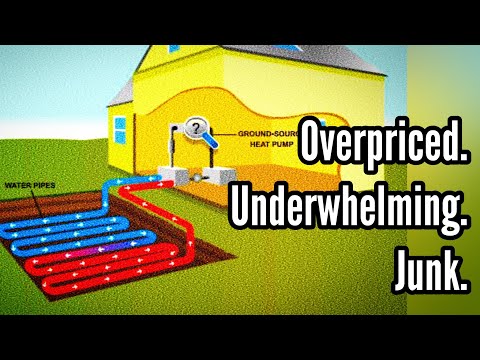
- Type of System: There are closed-loop and open-loop systems. Closed-loop systems are like a loop where water circulates in pipes buried underground. They tend to be more expensive but also more efficient long-term.
- Installation Location: Your location plays a big role too! If you live somewhere that requires extensive drilling or has rocky terrain, costs can skyrocket.
- Local Incentives: Some areas offer tax credits or rebates for installing geothermal systems. These can significantly lower the initial investment!
Another point worth considering is the operating costs. Once installed, geothermal systems typically have lower energy bills compared to traditional heating and cooling methods. So yeah, while the upfront cost may feel overwhelming initially, you could save some serious cash on utility bills in the long run.
And then there’s maintenance—less frequent than conventional HVAC systems but still important! You might spend around $50 to $100 annually for routine checks and servicing. This is way less than what you’d pay for regular upkeep on other heating systems.
Also keep in mind that with geothermal heating/cooling comes efficiency. These systems can offer an efficiency rating of upwards of 300-600%. To put it simply? For every unit of energy used, they can produce three to six times more heating or cooling than they consume!
Let me throw in an emotional touch here: imagine coming home on a chilly winter night after a long day out—there’s nothing quite like entering a warm house that feels inviting after dealing with the cold outside. With geothermal heat circulating through your floors or radiators just right? It’s pretty comforting!
To wrap it up, understanding the costs associated with installing a geothermal system isn’t just about numbers; it’s about thinking long-term too! Sure, there are significant initial expenses, but when you factor in reduced energy bills and environmental benefits? You might find that it’s well worth considering for your cozy future home experience!
Understanding the 30% Tax Credit for Geothermal Energy: Mechanisms and Benefits Explained
So, geothermal energy might sound all sci-fi and high-tech, but really, it’s just about using the Earth’s natural heat to keep our homes cozy or cool. And one of the biggest perks of installing a geothermal system is something called the 30% Tax Credit. This federal incentive can make switching to this energy source way more affordable. Let me break it down for you.
First up, how does this tax credit work? Basically, if you install a geothermal heating and cooling system in your home, you can claim 30% of the installation costs as a tax credit when you file your taxes. It’s not just some flimsy discount—this is a solid chunk of cash back in your wallet! For example, if your geothermal system costs $20,000 to install, you could potentially get back $6,000. Pretty sweet deal, huh?
Now let’s touch on what qualifies as a geothermal energy system. To get the tax credit, it needs to meet certain criteria:
- Geothermal Heat Pumps (GHPs): These are systems that use the Earth’s constant temperature to heat or cool your home.
- Installation dates: The project must be installed and operational by December 31, 2032.
- Residential use: The property must be your main residence—so no rental properties or second homes qualify.
You probably want to know why this matters. I mean, aside from saving money! Well, there are a few big benefits to think about:
- Energy Efficiency: Geothermal systems are super energy efficient. They can be up to 400% more efficient than traditional heating systems!
- Lower Bills: Once installed, they typically lead to lower monthly energy bills because they rely less on electricity or gas.
- Tackling Climate Change: By using renewable energy sources like geothermal heat, you’re reducing your carbon footprint!
Speaking of carbon footprints… Here’s where my personal story fits in. I remember when my neighbor decided to go green with a geothermal system. You could see how excited their family was—not just for their home efficiency but also because they felt good about helping the planet. It made me think about how technology can help both our wallets and Mother Earth.
Now let’s talk numbers again! This tax credit is part of an ongoing effort by the U.S. government to boost renewable energy use among citizens while reducing greenhouse gas emissions overall. It’s kind of like that nudge we all need every now and then—especially during times when budgets are tight.
In short, the 30% Tax Credit for Geothermal Energy not only helps make installation more affordable but also supports cleaner energy sources—and who doesn’t want that? If you’re considering going the geothermal route for heating or cooling your home, remember this little nugget: every dollar counts! Keep it in mind as you explore options and maybe even embrace that warm earth beneath your feet!
Assessing the Value Addition of Geothermal Systems to Residential Properties: A Scientific Analysis
When you think about geothermal systems, what comes to mind? For a lot of folks, it’s just all about those eco-friendly vibes. But there’s more to it—especially when we’re talking about how these systems can change the game for residential properties. So let’s break it down!
Geothermal systems use the earth’s heat to provide heating and cooling for homes. It might sound fancy, but the concept is pretty simple: they tap into the constant temperature beneath the earth’s surface. This means, in winter, you’re pulling warmth from below, and in summer, you’re sending that heat back down where it belongs. This can lead to some big savings on energy bills.
Now onto the value addition part. Installing a geothermal system can potentially increase your home’s market value. Think about it: homes with lower energy costs are appealing to buyers. People love that idea! Studies suggest that a well-implemented geothermal system can add anywhere from 3% to 5% to your property value. That’s not chump change!
There are several factors influencing this added value:
- Energy Efficiency: With geothermal systems being super efficient, homes can see lower utility costs—sometimes as much as 70% lower!
- Longevity: These systems often last longer than traditional HVAC systems; we’re talking 20-25 years versus 10-15.
- Environmental Appeal: Being green is a big deal nowadays! Having a geothermal system signals that you’re eco-conscious.
Speaking of environment, when I was visiting a friend who had just installed one of these systems, she shared how excited she was to see her first winter bill was way lower than expected! She was practically glowing—you could tell how happy she felt knowing she wasn’t just saving cash but also doing her bit for Mother Earth.
But hold up—there are upfront costs involved in getting geothermal set up. The installation can be pricey; think around $20,000 on average! However, if you look at long-term savings and potential increases in property value, many people feel it balances out over time.
So yeah, you’ve gotta weigh those initial expenses against the benefits like reduced bills and increased resale appeal. Plus, check if there are any government incentives or rebates available in your area that could offset some of those startup costs—that’s always worth considering.
To wrap it up—it’s clear that geothermal systems bring more than just comfort into homes; they also have some serious potential for boosting property value while caring for our planet all at once! That mix of practicality and sustainability seems like a win-win situation if you ask me!
When it comes to heating and cooling our homes, geothermal systems can really shake things up. You know? I remember chatting with a friend who decided to install one of these systems. He was all hyped about saving on energy bills while being kinder to the planet. But let me tell you, the first question that popped into my mind was, “Isn’t that super expensive?”
So, let’s break it down a little. Geothermal systems tap into the Earth’s stable underground temperature for heating and cooling, which sounds pretty magical. They can be way more efficient than traditional HVAC systems, but the upfront cost? Oof! It can be a bit daunting. You might be looking at anywhere from $10,000 to $30,000 depending on your home size and system type. And that’s not pocket change!
But here’s where it gets interesting – over time, the savings can really add up. Many folks see reduced energy bills because these systems are like ninjas when it comes to efficiency. You’re spending less on energy in comparison to gas or electric heating options long-term. Plus, there could be tax incentives or rebates available too!
Sure, you might have some sticker shock at first glance—like my friend did when he received his quote. But we’ve got to consider the bigger picture here. Think about how much you could save over the years and not just in dollars; think about carbon footprints! If you’re someone who cares about sustainability and reducing environmental impact (and who doesn’t?), geothermal is pretty appealing.
It’s kind of like making an investment in your future comfort and the Earth’s health at the same time. You’re not just paying for a system; you’re buying peace of mind knowing your house is comfortable without costing you an arm and a leg every month.
At the end of the day, deciding on whether geothermal is right for you is complicated but definitely worth considering! Balancing initial costs with long-term savings isn’t easy but hey—what’s life without weighing your options? And who knows? It might just be that perfect fit for your cozy home vibe while being eco-friendly too!