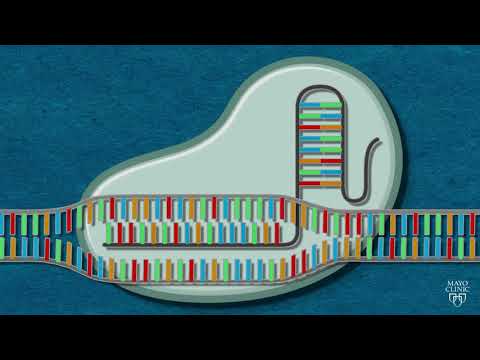
So, how’s this for a thought? Imagine if you could just, like, flip a switch and edit your genes. Sounds like something out of a sci-fi movie, right? Well, hold onto your hat because CRISPR gene editing is doing just that.
A couple of years ago, I was at a BBQ chatting with my buddy who thinks he’s the next Einstein. He casually mentioned CRISPR over his burger like it was just another tech gadget. I was totally stumped! I mean, gene editing? That sounded super complicated and kinda scary.
But it’s not as wild as it seems. This amazing tool lets scientists change DNA with precision that feels almost magical. Seriously! It’s transforming everything from agriculture to medicine in ways we never imagined.
But here’s the kicker: with great power comes great responsibility. As exciting as gene editing is, there are some big ethical questions floating around too. You know, stuff about playing God and whether we should even be messing with our genes in the first place?
So let’s dig into this whole CRISPR thing together—both the jaw-dropping advancements and the tricky moral dilemmas that come along for the ride!
Exploring Ethical Considerations in the Development of Genetic Editing Technologies in Science
Well, let’s talk about something super interesting and kind of complicated: genetic editing technologies, especially CRISPR. You might have heard the term thrown around a lot lately. It’s like a pair of molecular scissors that scientists can use to cut DNA and even fix genes that cause diseases. But with great power comes great responsibility, right? That’s where the ethical considerations come in.
First up, what is CRISPR? Imagine if you could edit a document by simply cutting out words or sentences that don’t work. That’s kind of what CRISPR does with DNA. It allows scientists to change a living organism’s genetic code with high precision. Sounds cool, huh? But then you start thinking about the consequences—and that gets tricky.
There are several key ethical concerns:
- Safety: What if the changes scientists make lead to unintended consequences? For example, altering one gene could accidentally affect others.
- Consent: How do we get consent for editing genes in embryos? They can’t exactly say “yes” or “no.”
- Equity: Who gets access to these technologies? If only wealthy people can afford them, it creates a bigger gap in health and wellness.
- Biodiversity: Editing organisms in nature might lead to loss of species diversity. Every creature plays a role in its ecosystem!
So, why is this all so emotional? Well, I remember reading about a scientist who worked on gene editing for sickle cell anemia. His passion was incredible! He wanted to save lives but struggled with the implications of his work on future generations. It really makes you think—are we playing God here?
The debate isn’t just academic; it impacts real lives. Take the case of genetically modified crops intended to resist pests or droughts. While they can help feed more people efficiently, some folks worry about what happens when these traits spread into wild plants.
Now let’s talk about regulation—yup, another messy layer! Different countries have different rules around genetic editing. Some are quite open and encouraging while others are super cautious or outright ban it altogether. This inconsistency makes international cooperation challenging.
And hey, there’s also this big question: Should we enhance human abilities?. Imagine editing genes not just to eliminate diseases but also for intelligence or physical traits—where do we draw the line?
In summary, as exciting as CRISPR and similar technologies are for advancing science and medicine, they come loaded with ethical puzzles that we need to untangle together. Balancing innovation with responsibility is no easy task—but having discussions like this is where it all begins!
Exploring the Key Challenges of CRISPR Gene-Editing in Modern Science
So, CRISPR, right? It’s like this super cool tool that scientists are using to edit genes. Imagine it as a pair of molecular scissors that can snip out bad bits of DNA and replace them with something better. But, hey, while it’s amazing and has tons of potential for things like curing genetic diseases, there are some really big challenges to think about.
First off, off-target effects are a major concern. This is when CRISPR messes with genes it wasn’t supposed to touch. I mean, picture this: you’re trying to fix the brakes on your car but accidentally end up cutting the fuel line instead. Not great, right? In the lab, researchers have seen instances where CRISPR edits genes other than the intended target. This could lead to unexpected issues or even new health problems.
Another challenge is delivery methods. Basically, you’ve got to get those CRISPR components into the right cells in a patient’s body. Right now, there are few effective ways to do this safely and efficiently. Some researchers use viruses to carry in the CRISPR system because viruses know how to enter cells really well. The problem is that not all viruses are friendly; they can sometimes cause immune responses or even make people sick.
Then there’s the ethical side of things which is like a huge ocean of gray area! You know how some folks worry about “playing God”? Well, gene editing raises questions about human enhancement. Should we be editing genes for things like intelligence or athletic ability? The line between treating a disease and enhancing someone becomes super blurred here. It’s kind of like choosing toppings for your pizza—sure you want pepperoni but maybe not pineapple…unless that’s your thing!
Also worth mentioning is regulatory issues. Different countries have different rules around gene editing. In some places, researchers can go wild with experiments while in others there are heavy restrictions that slow progress down. This uneven landscape means that if you’re working on something groundbreaking in one country—guess what? You might not be able to share those findings globally without jumping through hoops.
Lastly, let’s talk about public perception. Not everyone feels warm and fuzzy about gene editing technology like CRISPR. People have legitimate fears about safety and the idea of “designer babies.” If these fears aren’t addressed properly through education and transparent dialogue with communities, it could lead to pushback against research efforts.
So yeah, while CRISPR has made leaps and bounds in modern science; it’s no walk in the park either! It shines brightly with promise but definitely carries its fair share of challenges that need tackling before we can fully embrace it without hesitation. It’s all about finding a balance between innovation and responsibility as we move forward into this exciting realm!
Understanding CRISPR Gene Editing: A Breakthrough in Genetic Science
CRISPR gene editing is like having a tiny pair of scissors that can snip and edit DNA. Sounds cool, right? It stands for “Clustered Regularly Interspaced Short Palindromic Repeats.” I know, a mouthful! But basically, it’s a tool that helps scientists make precise changes in the genetic code of living organisms.
The big deal about CRISPR is how it uses a natural defense mechanism found in bacteria. These little guys got smart and developed a way to remember viruses that attacked them. When the virus shows up again, bacteria can use CRISPR to cut out the viral DNA, keeping themselves safe. Scientists figured out how to hijack this system to target specific DNA sequences in plants, animals, and even humans.
Here’s how it works:
- Guide RNA: First off, scientists create a piece of RNA that matches the DNA sequence they want to edit. Think of it as a GPS guiding the scissors.
- Cas9 Protein: Then they use an enzyme called Cas9, which acts like those tiny scissors we mentioned earlier. It follows the GPS to the right spot in the DNA.
- Edit: Once Cas9 reaches its destination, it cuts the DNA strand. This break then prompts the cell’s repair mechanisms to kick in and heal itself by either inserting or deleting pieces of genetic material.
You might be wondering why this matters so much! Well, CRISPR has opened doors for possibilities that were once just sci-fi dreams. For instance, scientists are exploring ways to treat genetic disorders like sickle cell anemia or cystic fibrosis. Imagine being able to fix something that’s been wrong with your genes since birth!
But here’s where things get a bit tricky—there are some ethical considerations. Editing human genes raises questions about what it means to play God. Should we erase genetic diseases? What about enhancing traits like intelligence or appearance? The line can get really blurry.
The thing is, with great power comes great responsibility—right? Scientists and ethicists are constantly discussing what’s okay and what’s not when it comes to making changes at such fundamental levels of life. There’s also concern over unintended consequences; you don’t want your gene-editing scissors accidentally snipping something important!
As we stand on this exciting frontier of science, keep in mind that CRISPR isn’t just about high-tech labs and studies; this stuff could affect real lives. It sparks hope but also caution as we navigate these complex waters together.
So yeah, CRISPR gene editing is an amazing breakthrough in genetics! With every new discovery comes a mix of excitement and trepidation as we continue exploring all its potential.
Crispr gene editing is one of those things you read about and think, “Whoa, science is cool!” It’s like we finally found a high-tech way to write, erase, or even edit the information in our DNA. Imagine a word processor for our genes! But while it’s super exciting to think about reshaping life as we know it, there’s a whole mountain of ethical questions that come along for the ride.
Let me take you back to when I first heard about Crispr. I was at this little café with my friend, and we were joking about how scientists could basically play God now. It was a light-hearted conversation until someone asked: “But should they?” That kind of stopped me in my tracks because it made me realize how serious this all is. I mean, we’re talking about changing the genetic makeup of organisms—not just plants but potentially animals and humans too!
On one hand, Crispr promises amazing advancements—like curing genetic diseases or creating crops that can resist pests without toxic pesticides. Isn’t that awesome? But then you start to wonder who gets to decide what changes should be made and for what reasons. Is it ethical to edit out certain traits in humans or animals? What if someone decides they want their baby to have blue eyes and a genius IQ? Are we opening a Pandora’s box here?
And then there’s the concern over unintended consequences. You might edit one thing but end up affecting several others in ways we can’t predict yet. It’s like trying to fix a leaky faucet and accidentally flooding the whole basement! The science can be impressive but figuring out where to draw the line—that’s another story entirely.
So, yeah, Crispr gene editing has incredible potential but also brings along some pretty hefty moral baggage. It makes you think about what kind of world we want to create as technology keeps advancing at lightning speed. As cool as it is to imagine curing diseases or enhancing crops, let’s not forget that with great power comes great responsibility—or so they say! The conversation around ethics isn’t going anywhere soon; it’s kind of essential when wielding such incredible tools.