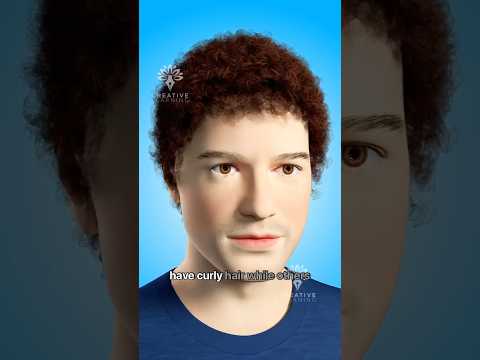
You know that moment when you see a kid with the wildest, coiled curls and think, “Wow! Where did those come from?” It’s like they stepped out of a cartoon. Seriously, curly hair seems to have a magic all its own.
But here’s the thing: those bouncy curls don’t just happen by accident. Nope! There’s some solid science behind it. Ever wondered why some folks rock a fro while others sport straight locks?
Well, buckle up! We’re about to unravel the wild world of curly hair genetics. Get ready to discover what makes those curls twist and twirl in all their glory! It’s gonna be a fun ride, I promise!
Unraveling the Genetics of Curly Hair: Understanding Its Scientific Causes
So, let’s chat about curly hair. It’s not just a fun quirk; it’s a bit of science mixed with genetics, and it can be super interesting to dive into!
When we think about why some people have straight hair while others sport those fabulous curls, we have to look at genes. Hair texture is primarily determined by our DNA. Like, if you’ve ever looked in the family album and noticed everyone has their distinct hair type—yeah, that’s genetics at work!
So, here’s the scoop: two main genes are pretty crucial in determining whether your hair will be straight or curly. These are called the **KRT17** and **KRT86** genes. Imagine them like tiny instruction manuals that tell your body how to make hair follicles. If your parents had curls, there’s a good chance they passed on those curling instructions to you too!
Now, here’s where it gets fascinating. Not all curls are created equal! The shape of the follicle matters a lot. You’d think having round follicles would give you straight hair, but if they’re more oval or flat? Boom! You get those beautiful waves or spirals. It’s like having a pencil versus a paintbrush—the tools really change what you create.
Also, did you know that curly hair tends to be drier than straight hair? Yup! This happens because natural oils produced by your scalp have a harder time traveling down those twisty strands. So if you’re rocking curls and wondering why they need so much moisture—it all comes down to that funky shape again!
But wait, there’s more! Curls can also be influenced by other factors, like hormones or even the environment. Honestly, sometimes they can even change throughout life because of things like puberty or pregnancy when hormones are doing their dance.
And guess what? Curly hair isn’t just about looks; it’s also got some practical advantages too! People with curly locks often have better protection from sun exposure since those twists create more layers. It’s nature being clever and providing some extra shielding!
Let me share a quick story: I remember my friend Mia—she always struggled with her wild curls during school days. She used to complain about how her hair wouldn’t behave for anything! Well, over time she learned to embrace it and rock it with pride (seriously, she looks stunning now). Knowing what made her curls unique helped her appreciate them even more.
So yeah, when we unravel the mysteries behind curly hair genetics , we see it’s like this intricate puzzle combining different pieces—genes shaping texture, hormones influencing patterns over time—and ultimately leading us to understand just how special our individual hairstyles actually are.
In short:
- Hair texture is determined by genetics.
- Main genes involved include KRT17 and KRT86.
- The shape of the follicle affects curliness – round for straight and oval/flat for curls.
- Curls tend to be drier due to oil distribution challenges.
- Hormones and environmental factors can influence curl patterns over time.
So next time you see someone flaunting those waves or spirals, remember—it’s not just style; it’s a whole science story happening right on top of their heads!
Unraveling the Science Behind Natural Curly Hair: Genetics and Texture
Curly hair, huh? It’s like this beautiful mix of chaos and art all bundled up on your head. But have you ever wondered why some people have those lovely spirals while others are rocking the straight locks? Well, grab a cup of coffee or tea, and let’s chat about the science behind it!
So here’s the thing: curly hair is mostly about **genetics**. Basically, it all starts with your DNA. You inherit genes from your parents that dictate whether your hair will be straight, wavy, or curly. How cool is that? But it’s not just one simple gene at play; it’s more like a team effort involving different genes working together.
One of the main players in this genetic game is a gene called “KRT17.” This gene affects how hair follicles develop. If you’re born with certain variations in this gene, you might find yourself sporting curls instead of poker-straight strands. Crazy how much impact one gene can have, right?
Another key factor is **the shape of your hair follicle**. Picture this: your hair grows out of tiny holes on your scalp called follicles. These follicles can be round or oval in shape. If you have an oval follicle, guess what? You’re likely to have curly hair! Round follicles tend to produce straighter hair since they allow the hairs to grow out smoother.
Now let’s talk about **texture**—it’s not just about curls but also how thick or fine each strand of hair is. The thickness is influenced by genetics too! Think about it: if both parents have thick, curly hair, there’s a good chance their kiddo will too because they share those related genes.
Additionally, hormones and environment can play their part in how those curls behave as well. For example, during puberty when hormones are doing their dance, you might notice changes in your texture and curl pattern as your body develops.
Of course! Genetics isn’t the whole story; there’s also something called **epigenetics** to consider. This fancy term means that while you might inherit specific genes from your parents for curly hair, environmental factors—like diet and climate—can influence whether those genes are turned on or off.
And then there’s care and styling! Just because you’ve got healthy curls doesn’t mean they won’t love some TLC now and then. Using the right products for curly textures can make a difference in how bouncy or frizzy those locks appear!
So there you have it! The science behind natural curly hair isn’t just black-and-white; it’s a colorful tapestry woven with genetics and individual experiences. It tells a story as unique as each curl on your head! Now go out there and rock those beautiful curls with confidence!
Exploring the Genetic Basis of Curly Hair Across Ethnicities: A Scientific Perspective
So, let’s talk about curly hair! You know, it’s not just a hairstyle; it’s a fun mix of genetics and ancestry. Seriously, the way our hair curls or stays straight is all wrapped up in our DNA.
First off, curly hair is influenced by a bunch of genes. But the biggest player seems to be a gene called **Trichohyalin**. This gene helps determine the shape of your hair follicles. If you’ve got round follicles, your hair tends to be straight. If they are more oval-shaped, then voilà—you get those gorgeous curls!
Now, what’s super interesting is how this curls game changes across different ethnicities. Here’s the scoop:
- African descent: Curly hair is often densely packed and can range from tight coils to softer waves. The curliness comes from genetics that affect not just follicle shape but also how the hair grows out.
- Asian descent: Typically, folks with East Asian roots have straighter hair due to a different expression of certain genes. It’s fascinating because their follicles are generally rounder than those found in people of other descents.
- Caucasian descent: There’s a mix here! Some folks have wavy or curvy strands but what varies greatly is how those curls express themselves—whether tight or loosy-goosy.
It’s wild to think about all these variations! And they’re not just skin-deep; our ancestry plays a huge role too. Like, if your family hails from regions with high humidity—where frizz-friendly environments thrive—you might notice more defined curls in your mane!
So, here’s an emotional nugget: imagine being at a family gathering where everyone has straight locks except you. You run your fingers through those spirals and feel unique and proud, right? That connection goes way beyond personal style—it tells stories of generations blending their backgrounds into something beautiful.
Another thing? The environment also plays its part in how our curls behave. Humidity can puff them up like crazy! Ever had your curls go full-on lion mane when you step outside? It’s all about moisture interacting with your hair structure.
In sum: Hair texture isn’t just a matter of fashion; it tells tales of evolution and heritage as well! So next time you twist that lock or struggle with frizz, remember there’s some serious science behind each curl you flaunt—an symbol of where you come from and who you are today!
You know, curly hair is such a fun topic to chat about! It’s like a whole world of texture and personality wrapped up in these beautiful spirals. But, what makes some people’s hair curl while others have it straight? Honestly, it’s a mix of genetics, and it can get pretty fascinating.
So, think back to your family tree for a second. You might notice that curly hair seems to run in families—like maybe your mom has those lovely bouncy curls while your dad’s got straight locks. Well, that’s no coincidence! The genes responsible for hair texture are kind of like little messy puzzle pieces fitting together in unique ways.
Here’s the thing: researchers have found that a specific gene called **RSPO2** plays a huge role in determining whether hair will curl or lay flat. Basically, this gene influences how our hair follicles develop. Straight-haired folks usually have round follicles, while those with curls often have more oval or asymmetrical ones. Can you imagine? Just think about how something so tiny can shape an entire look!
There was this time when I went to a family reunion—it was like stepping into a live art exhibit of hair! My cousin Pamela had these wild and vibrant curls that danced around her face as she laughed, while my uncle Tom sported his poker-straight hair with pride. It was hilarious watching them bicker over who had the best locks—it made me realize how much we often link our identity with our hairstyles.
But it’s not just one gene at play; like most things in nature, it gets complicated. Other factors come into play too—like different variations of genes working together or even environmental influences, you know? Think sun exposure or humidity levels affecting how much your curls pop on any given day.
And here’s something kinda cool: curly hair can be linked to certain evolutionary advantages. In hotter climates, those curls could help with airflow on your scalp and protect against harmful UV rays. So there you are—curls not just for style but for survival!
In the end, whether you’ve got lovely spirals or sleek strands doesn’t matter all that much—it’s about what makes you feel good. So next time you see someone flaunting their gorgeous curls (or lack thereof), just remember there’s some science behind those amazing tresses!