So, picture this: you’re at a party, and someone starts chatting about cells. I know, right? Sounds super thrilling. But stick with me!
Cells are like the little building blocks of life. They do everything—from keeping our bodies running smoothly to throwing crazy parties in your immune system when a virus tries to crash in. Seriously, it’s wild how much goes on inside us without us even realizing it!
Now, here comes the cool part: when those cells start misbehaving, that’s where cytology and pathology strut onto the scene. Think of cytology as the detective work of cell study and pathology as its partner in crime—together, they help us spot diseases early on.
So why does any of this matter? Well, understanding these tiny players gives us big insights into health and illness. It’s like having a backstage pass to the show that is your body! Ready to unravel some cellular mysteries? Let’s go!
Understanding Pathology Cytology: Definition, Significance, and Applications in Medical Science
Alright, let’s get into this whole pathology cytology thing. It sounds fancy, but it’s all about understanding cells and what they tell us about diseases. So basically, pathology is the study of disease, while cytology zooms in on the cells themselves. When you put them together? You’ve got a powerful tool for diagnosis!
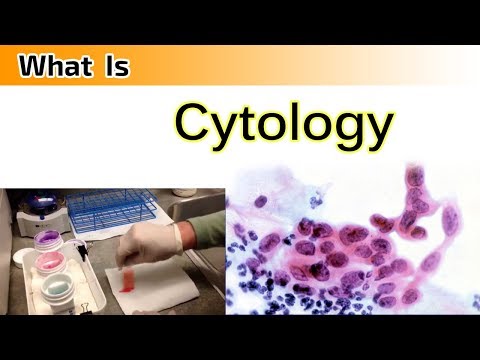
First off, what exactly is cytology? Well, it’s like being a detective for cells. You take samples—like from a biopsy or even just some fluid—and look at them under a microscope. What you’re doing here is searching for clues about what might be going wrong in the body. Like, if there’s growth that shouldn’t be there or cells that look funny, that could mean trouble!
The significance? Huge! Cytology helps in early detection of diseases like cancer. Imagine you catch something early—just think about how many lives could be saved! For instance, when doctors perform Pap smears on women to check for cervical cancer, they rely heavily on cytological findings.
- Disease Diagnosis: It helps identify various conditions ranging from infections to tumors.
- Monitoring Disease Progression: Once a diagnosis is made, doctors can keep tabs on how a disease is changing over time through repeated cytology tests.
- Treatment Decisions: The findings can guide treatment options and whether therapies are working.
You see? This stuff isn’t just academic; it’s super practical too! Sometimes you might hear people mention fine needle aspiration (FNA). This technique takes small samples from lumps or masses in your body. It’s kind of like getting a little taste of what’s going on without needing major surgery!
A real-world example could be someone with a suspicious lump in their neck. Instead of jumping straight to surgery—which can be risky—the doctor might suggest an FNA first. If the cytologist finds abnormal cells? Now they know they have to dig deeper!
The applications don’t stop here either! Cytology plays an essential role in areas such as:
- Forensic Science: In criminal investigations, cell analysis can help identify victims or suspects through biological materials.
- Pediatric Medicine: Checking for diseases early in kids can change everything; cytology does wonders here too!
- Cytogenetics: Studying chromosomes within cells can reveal genetic disorders; it’s like peering into a cell’s family tree.
The truth is, understanding pathology cytology opens up doors to better health outcomes and treatments. You’re not just looking at some cells under glass; you’re interpreting stories that help save lives every day!
A while back I read about a woman who went for her routine check-up without thinking much of it and ended up with an early-stage cancer diagnosis thanks to her Pap test results. She became so empowered by her experience that she now advocates for regular screenings everywhere she goes—that’s the kind of impact we’re talking about!
If more people understood this field and its importance? We’d likely see even more lives saved through timely diagnoses and treatments.
So remember: those tiny cells we often overlook have lots of stories to tell if we just take the time to listen!
The Role of Cytology in Disease Detection: Insights from Modern Science
Cytology is like the detective of the cellular world. It zooms in, taking a closer look at the cells in our bodies. You see, every tissue and organ is made up of cells, and by studying these cells, scientists and healthcare professionals can find out a lot about what’s going on inside us, especially when it comes to diseases.
When you think about disease detection, it’s easy to picture huge machines and elaborate tests. But sometimes, all it takes is a really good microscope and some expertise in cytology. Basically, cytology involves examining cells from bodily fluids or tissue samples. This can help identify diseases like cancer or infections because each type of disease creates telltale signs at the cellular level.
Take cancer, for example. The way cancer cells look under a microscope is different from healthy cells. They might be bigger, have an irregular shape, or show unusual behaviors—like dividing more rapidly than they should. Here’s where cytologists come into play; they’re trained to spot these irregularities. And spotting them early can be crucial! The sooner we catch something unusual, the better the chances for treatment.
- Fine-Needle Aspiration (FNA): This technique uses a thin needle to extract cell samples from lumps or masses in the body. It’s minimally invasive and often leads to quick results.
- Pap Smear: A classic example of cytology in action! By collecting cervical cells, doctors check for precancerous changes that could lead to cervical cancer.
- Fluid Cytology: When fluid accumulates in areas like the lungs or abdomen, sampling those fluids can help diagnose infections or tumors.
But here’s something interesting! What if I tell you that a simple cough could provide insight into lung diseases? Yep! By analyzing sputum (the stuff you cough up), doctors can identify issues like lung cancer or infections such as tuberculosis. Crazy how much information those tiny cells hold!
And while looking directly at cells is super important, modern science has taken cytology even further with things like molecular testing. This means scientists can study not just what the cell looks like but also what genes are active or mutated—like having super vision into your cellular world!
The field isn’t without its challenges though. Sometimes cells don’t cooperate; they may look normal even if there’s an underlying issue lurking around. That’s why integrating cytology with other forms of pathology—like histopathology (which studies larger tissue sections)—is key for accurate disease detection.
Cytology plays a vital role not only by detecting diseases but also by monitoring treatment responses over time. Imagine getting regular checkpoints through cell analysis; it’s like having your health on speed dial!
So next time you hear about someone getting checked out for possible health issues through cytology, remember all that goes on behind the scenes—those little cells are doing some serious talking!
Understanding the Pain Factor: A Comprehensive Look at Cytology Tests in Medical Science
When we think about medical tests, a lot of us picture big machines or complex procedures. But let me tell you, some of the coolest stuff happens at a cellular level! That’s where cytology comes in. It’s like having a magnifying glass to look at the tiny building blocks of life—our cells!
Cytology is basically the study of these cells. And, oh boy, do they tell us a lot! By examining cells, doctors can find out what’s going on in our bodies. This is where cytology tests shine. They help detect diseases, often way before they become serious issues.
You might be wondering why we care about this whole cell thing anyway. Well, cells can show signs of trouble long before we feel any symptoms. Let’s say there’s a lump somewhere that feels funny; instead of jumping to conclusions, doctors might take some samples from that area. These samples are then analyzed in the lab for abnormal changes.
- What Happens During Cytology Testing? It usually starts with collecting sample cells using a thin needle or by scraping. It’s not as scary as it sounds! The procedure can be quick and easy.
- Types of Samples: There are different kinds of samples—like fine needle aspirates (FNA), which sound fancy but just mean sticking a tiny needle into tissue to suck out some cell material.
- Cytopathology: This is where pathologists come into play—they’re like detectives but for cells! They look at these samples under a microscope to check for any weirdness.
Sometimes, what they find can be pretty serious. For instance, in cases of cancer, they look for abnormal cell shapes or numbers that might spell trouble. It’s incredible how much you can learn just by peering closely at something so small!
Now let me share something interesting—many years ago, my aunt had an FNA done on a suspicious lump in her neck. I remember being super worried; she was too! But when she got her cytology results back, it turned out to be benign (not cancerous). What a relief! That moment really showed me how important these tests are—transforming fear into knowledge and calm.
Beyond cancer detection and diagnosis, cytology has other cool uses too! It helps with things like diagnosing infections or inflammatory diseases by studying cell types present in a sample.
- Pap Smears: A well-known example is the Pap smear test used for cervical cancer screening—such an important tool!
- This Is All About Cells: Cytology checks not only what’s inside our body but also how our immune system is reacting to invaders like bacteria or viruses.
- Aging Gracefully: Plus, it’s also used in dermatology to examine skin cells when something weird pops up on your skin.
The bottom line here? Cytology tests are like little scouts that help find problems early on while they’re still manageable. They give you information and peace of mind—the power lies within those tiny cells!
You know, when you first step into a lab and see all those fancy microscopes lined up, it can be a little overwhelming. But there’s something super cool about diving into the world of cells, or cytology, and how they relate to diseases—this whole idea of pathology.
So, let’s break it down. Cytology is all about studying cells—their structure, function, and how they behave. Imagine looking at a tiny city where each building represents a different cell type doing its thing. Some cells are busy fighting off infections, while others are working to keep everything in check. It’s like a bustling metropolis! But then, sometimes things go wrong—like when those city dwellers start acting weird. That’s where pathology steps in; it’s the study of changes in cells that can indicate disease.
I remember the first time I saw a slide of cancerous cells under the microscope during one of my classes. It was shocking! To think that so much could go wrong within just one tiny cell—it’s humbling and kind of frightening, you know? And yet, that also underscores how crucial cytology and pathology are for identifying diseases early on. When doctors take samples—like from a biopsy—they’re essentially getting a peek inside this microscopic world to figure out what’s going wrong.
The connection between these fields is fascinating. Cytologists work to understand normal cell behavior while pathologists examine how these behaviors change with disease. This collaboration makes early detection possible; finding irregular cells often leads to better treatment options and outcomes for patients.
But here’s the kicker: it’s not just about the science behind it all; there’s also an emotional aspect. Each slide tells a story about someone’s health journey—the hopes for recovery or the challenges faced along the way. Bridging cytology with pathology isn’t just academic; it’s deeply personal.
So yeah, whether you’re looking at cancer or infections through that lens of cell biology, you start seeing more than just numbers or statistics—you see lives being affected and the urgent need for understanding what goes wrong at such an impossibly small scale to make real-life impacts on health outcomes! That connection? Truly powerful stuff!