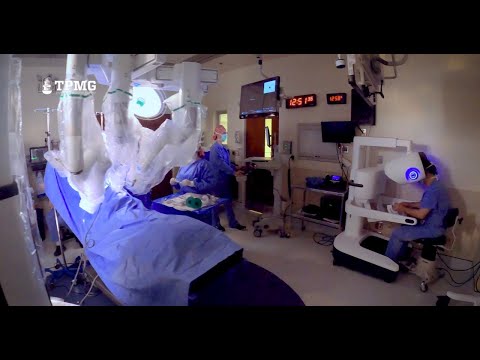
So, imagine this: you’re waiting in a hospital room, and the doctor strides in, grinning like they’ve just won the lottery. But instead of a scalpel, they whip out this fancy robot arm that looks like something out of a sci-fi movie. Sounds straight out of a dream, right? Well, that’s pretty much what happens with the da Vinci Robot System.
Surgery’s come a long way from the days when it was all about big incisions and a lot of guesswork. Now we’ve got these high-tech robots assisting our surgeons. It’s not just cool; it’s changing lives! Picture your next surgery being performed by a robot that’s super precise and can work with tiny little movements.
But hey, it’s not just about looking futuristic. This tech is actually making recovery times shorter and helping people get back to their lives faster. How amazing is that? So let me share some cool insights into how this tech is revolutionizing surgery as we know it!
Exploring Autonomous Surgery: The Potential of da Vinci Robots in Surgical Procedures
So, let’s chat about the da Vinci robots and how they’re shaking things up in the world of surgery. If you’ve heard of them, you probably picture this sci-fi robot performing tricky procedures with incredible precision. And honestly? You wouldn’t be far off!
First off, these robots are designed to assist surgeons rather than replace them. Think of it like a supercharged tool in a surgeon’s toolkit that helps them do their job better. The da Vinci system allows doctors to perform minimally invasive surgeries which, let me tell you, can make a huge difference for patients.
What’s really cool is that these robots have tiny instruments controlled by robotic arms that move much more dexterously than a human hand could. So, basically, they can make super precise movements inside your body without having to make giant incisions. This means less pain and faster recovery times for patients. You know how when you bump your elbow up against something hard and it hurts a lot? Now imagine if that were your insides being poked around in an operation—ouch!
Here are some key points about what da Vinci robots bring to the operating room:
- Precision: These robots can operate with an accuracy that reduces damage to surrounding tissues.
- Minimally Invasive: Smaller cuts mean quicker healing and less scarring.
- Enhanced Visuals: Surgeons get a 3D view of the surgical area, which is way more detailed than what they’d see with just their eyes.
So let me share a little story here because this really drives home the importance of this tech. A friend of mine had to get her gallbladder removed. She was terrified about being cut open—who wouldn’t be? But her doctor told her he would use the da Vinci robot for it. It was done laparoscopically! She had tiny scars instead of one big cut; she was back on her feet in no time!
But it’s not all sunshine and rainbows—there are challenges as well. These systems are pricey and require specialized training for surgeons. Not every hospital has access to such advanced technology yet, which can create inequities in care. Plus, there’s always that little voice in the back of your mind wondering: “What if something goes wrong?” That’s just part of navigating new tech.
Overall though, seeing how these robots are changing procedures is exciting! They’re not here to steal anyone’s job but rather to enhance what already exists—and that’s something we can get behind.
In short, with ongoing advancements and more hospitals incorporating robotic surgery systems like da Vinci, we might just be looking at a future where surgeries become even safer and easier on our bodies than ever before!
Evaluating the Success Rate of da Vinci Surgery: Insights from Recent Scientific Research
Well, let’s talk about the da Vinci Surgery System. This robot-assisted surgical technique has gained a lot of attention recently. So, what’s the deal? Does it really work better than traditional surgery? Let’s break it down.
First off, the da Vinci system is designed to allow surgeons to perform minimally invasive procedures. This means smaller incisions and less trauma to your body while still being able to navigate complex anatomical structures. Pretty neat, right?
Recent studies have been looking into its success rates. One major highlight is that the da Vinci system often leads to shorter hospital stays. Patients can be up and moving pretty quickly after surgery compared to those who went under the knife with traditional methods.
However, not everything is sunshine and rainbows. There are some complications that can occur with robotic surgery. For instance, research indicates there might be a slightly higher chance of certain complications like bleeding or infections with da Vinci systems compared to some conventional approaches—but they’re often minor in the grand scheme of things.
There’s also something called “operative time.” It’s basically how long the surgery takes from start to finish. Many studies show that while robotic surgeries can take longer initially, they might save time in recovery. And who wouldn’t want that?
A big factor in evaluating success is how well patients recover afterward. Some research points out that people who underwent surgeries using the da Vinci system reported less pain and quicker return to normal activities than those who had standard laparoscopic procedures. You know how important it is to get back on your feet!
Let’s not forget about cost either! The da Vinci system usually comes with a hefty price tag—not just for the machine itself but also for maintenance and training staff on how to use it efficiently. You might wonder if this cost is worth it when comparing outcomes.
So, when evaluating success rates, you gotta consider all angles: recovery times, complication rates, patient satisfaction, and costs involved. The thing is—each patient is unique and what works wonders for one may not be as effective for another.
To wrap this up (not literally though!), there’s still a lot we’re learning about the da Vinci Surgery System as more data comes in from ongoing research. And even though it shows promise in many areas, you seriously need to consult healthcare professionals who can guide you based on specific conditions or situations.
As technology progresses in medicine, staying informed helps us understand these advancements better so we can make educated choices about our health!
Understanding the Costs of da Vinci XI Robot Surgery: A Comprehensive Breakdown for Patients
So, let’s talk about the da Vinci XI Robot System and what it means for surgery. This fancy robot is a big deal in the world of medicine, especially for those undergoing minimally invasive procedures. The cool thing is, it helps surgeons be super precise, which can lead to quicker recoveries for patients. But, like anything that sounds as advanced as this, you might be wondering about how much it actually costs.
First off, there are a bunch of factors that go into the overall cost of da Vinci robot surgery. You’ve got to think about things like:
- Direct Surgical Costs: This includes the fees for using the robot during surgery. Hospitals usually charge more when they use high-tech equipment.
- Surgeon Fees: It’s not just the robot; you’re also paying for the expert hands operating it. Surgeons need special training to use these systems effectively.
- Anesthesia Costs: Like any other surgery, you’ll need anesthesia to keep you comfy and pain-free during the procedure. This can add up.
- Facility Costs: Hospitals often have to invest in maintaining these robots and training their staff. These expenses sometimes get passed on to patients.
- Post-Operative Care: Don’t forget about recovery! You might have follow-up visits or additional therapies that can impact your total costs.
Now, speaking of costs, let’s get a bit real here. Depending on factors like where you live and what type of surgery you’re having done (think prostate removal or hysterectomy), prices can vary widely—like anywhere from $15,000 all the way up to $50,000 or more! Ouch!
But here’s where things get interesting: even though upfront costs may seem steep—especially compared with traditional surgeries—there are potential long-term savings involved. Because da Vinci surgeries often mean less downtime and fewer complications, your overall health care expenses might actually go down over time since you could recover faster and possibly need less follow-up care.
And let’s not skip over insurance; your plan might cover some or even all of these costs depending on the procedure and your policy details. It’s seriously worth checking with them because sometimes they even approve robotic surgeries when they see benefits for recovery.
I remember my friend’s mom had to undergo a robotic-assisted surgery a while back. She was super nervous but ended up recovering so much faster than anyone expected! Just goes to show how techy tools like this can change lives—not just surgeries.
So yeah, when looking at da Vinci XI Robot Surgery costs, it’s essential to think about everything involved beyond just numbers on a bill. The goal is better outcomes for patients despite some upfront sticker shock!
You know, surgery has had its ups and downs over the years, but the da Vinci Robot System is like a whole new chapter. I remember when my cousin had to get gallbladder surgery. The idea of someone cutting into his belly freaked me out, honestly. But then I heard about this fancy robot helping surgeons, and it changed my perspective.
So like, here’s the deal: the da Vinci system isn’t just some high-tech gadget for show. It’s designed to make surgery less invasive, meaning smaller cuts and quicker recoveries. Imagine getting a big job done with just a few tiny holes rather than one massive incision! That’s gotta be a relief, right?
What’s cool is how the robot enhances precision. The surgeon sits at a console and controls the robotic arms with crazy accuracy. It’s like playing a video game but with someone’s life at stake! It can translate those delicate movements into actions that can be way more controlled than human hands alone could manage.
But it’s not all sunshine and rainbows; some people worry about robots taking over jobs in healthcare or if they’ll ever replace good ol’ human touch in patient care. I mean, sure, technology is amazing—the cool stuff it can do is mind-blowing—but there’s still something special about having a doctor looking you in the eye and feeling your heartbeat.
That said, seeing how this technology helps with procedures that were once so risky offers hope to many who wouldn’t have had those options before. For all its advances, though, what really matters is how it connects back to us—how it affects lives for the better! And that’s something we can all get behind because nobody wants to be stuck in recovery forever.
In short? The da Vinci Robot System is shaking things up in surgery for sure! It brings together humans and machines in ways that can make healing faster and simpler while still raising questions about our future together in this tech-filled world!