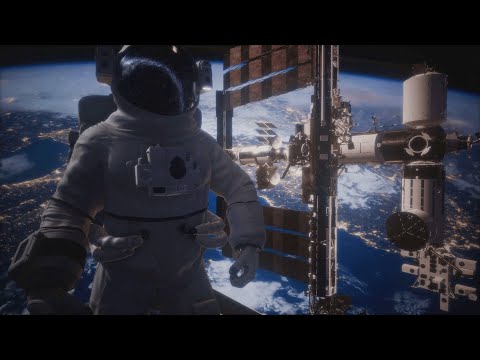
So, here’s a funny story. The other day, I accidentally stared at the night sky with my friend, like we were trying to decipher some cosmic code. You know what happened? We totally misidentified a satellite as an alien spaceship. Seriously!
It got me thinking about how much we really need telescopes to look deeper into space. I mean, the universe is pretty much one giant mystery waiting to be solved. And those telescopes? They’re like our super-sleuth gadgets!
Imagine peering through one of those bad boys and spotting a galaxy billions of light-years away. That’s mind-blowing, right? It’s like having a front-row seat to the universe’s best show!
Anyway, let’s talk about these deep space telescopes and all the wonders they reveal. Because there’s a lot going on up there, and you’re gonna want to know about it!
Exploring the Marvels of Deep Space Telescopes: A Journey Through YouTube’s Best Scientific Insights
There’s something pretty amazing about gazing into the vastness of space, right? Telescopes that peer deep into the cosmos have really changed how we see our universe. They’re like time machines, capturing light from stars and galaxies that are billions of years old! So, let’s chat about these marvels of technology and uncover some cool insights you can find on YouTube.
Deep Space Telescopes are designed to observe distant celestial objects far beyond our solar system. This is done by collecting light in different wavelengths—from visible light to infrared and even radio waves. Each type has its own special job: visible light telescopes, for example, show us stunning images of galaxies and nebulae, while infrared telescopes help us see through dust clouds that block our view.
When you watch videos about these telescopes on YouTube, you often encounter Hubble Space Telescope. Launched way back in 1990, Hubble has provided breathtaking images and tantalizing data. Seriously, some of its shots look like they’re straight out of a science fiction movie! Just imagine the excitement when scientists first saw a clear image of the Pillars of Creation—a stellar nursery where new stars are born. There’s an emotional connection to seeing such beauty and understanding it’s happening so far away!
Then there’s the James Webb Space Telescope, which launched recently and has already made headlines for its incredible capabilities. Unlike Hubble, Webb primarily observes infrared light. This lets it spot ancient galaxies that formed just after the Big Bang! You can find amazing videos on YouTube explaining how it works—like how its huge mirror reflects light and how it keeps its delicate instruments cold in the vast warmth of space.
- The best part? Many channels break down complex topics into simple terms with fun visuals.
- You’ll probably stumble upon animations showing how galaxies collide or how black holes devour matter—super cool stuff!
- There are also talks from scientists behind these missions sharing their personal stories about discovery — really inspiring stuff!
You might wonder why all this matters. Well, understanding deep space helps us learn more about our own planet’s place in the universe. It raises questions like: Are we alone? What is dark matter? Videos exploring these mysteries often spark debates in comments sections too! They encourage viewers to think critically and share opinions. Even if they may not always get it right—hey, who does?—the conversations can be enlightening.
A journey through YouTube’s gems reveals much about human curiosity and our quest for knowledge. It brings together science enthusiasts from all walks of life as people get excited watching distant worlds come alive on their screens. The thrill of discovery connects us all!
Exploring the Marvels of Deep Space: NASA’s Groundbreaking Telescopes and Their Impact on Astronomy
So, deep space! It’s like the ultimate frontier for exploration, right? It’s packed with mysteries and wonders that make you go “wow!” NASA has been at the forefront of this adventure with some really cool telescopes. These gadgets are basically our eyes on the universe.
Let’s chat about a few of these fantastic instruments and what they’ve done for us.
Hubble Space Telescope: Launched back in 1990, Hubble’s been sending back jaw-dropping images of galaxies, nebulae, and distant stars. Can you imagine seeing a picture of the Pillars of Creation? Those stunning clouds of gas and dust where new stars are born? It’s mind-blowing! Hubble has also helped age our universe better – it’s like having an intergalactic timepiece.
Chandra X-ray Observatory: Now, this one’s got a bit of a different vibe because it looks at X-rays instead of visible light. Think about it: when something really hot happens in space—like exploding stars or black holes—they emit X-rays. Chandra can capture these rays and show us stuff we can’t see with our naked eye. This telescope has helped confirm that black holes exist and even measure their masses. Pretty rad!
James Webb Space Telescope: Launched recently in 2021, JWST is like Hubble’s supercharged little sibling. It can see farther back into time—like peering into the early universe just after its birth! With its advanced tech, JWST is all about infrared light. That means it can see through cosmic dust to reveal hidden stars and planetary systems forming right now! I mean, how cool is that?
The impact of these telescopes on astronomy is serious business—like changing the game altogether! They help scientists understand cosmic phenomena better. For instance:
- Studying Exoplanets: They’ve found planets outside our solar system and have given hints about their atmospheres which could hold clues for possible life!
- Aging Stars: Observations have refined our understanding of stellar lifespan, helping predict how long different types of stars will last.
- Cosmic Evolution: These telescopes track how galaxies evolve over billions of years; it’s like watching a time-lapse video but on galactic scales.
Imagine being curled up under the night sky wondering about what lies beyond those twinkling lights. Each new discovery from these telescopes kindles that curiosity further!
In short, NASA’s telescopes aren’t just fancy machines; they’re tools that help us look deeper into space—and ourselves too because each finding has a way of connecting back to who we are as humans exploring our place in this vast cosmos.
It feels amazing to think that every image and data point feeds into our understanding of not just science but also art—the artistry of the universe itself! So next time you see those stunning cosmic snapshots from NASA, take a moment to appreciate the science behind them…and maybe make a wish on one or two shooting stars while you’re at it!
Exploring the Cosmos: The Fascinating Insights from Deep Space Telescope Videos
Exploring the cosmos is like peeking into a treasure chest of mysteries, and deep space telescopes are our key. These incredible tools let us see far beyond what our eyes can ever catch. You might be wondering, what exactly do these telescopes show us? Well, let me break it down for you.
First off, deep space telescopes orbit far above our atmosphere. This is crucial because our atmosphere can block or distort the light that comes from far-off galaxies and stars. Basically, when a telescope is up there in space, it gets a clear view of the universe. Think about trying to see something through a foggy window—annoying, right? That’s how Earth-bound telescopes struggle sometimes.
One of the most exciting things we’ve seen thanks to these telescopes is exoplanets. Those are planets that exist outside our solar system. With advanced technology like the Kepler Space Telescope, scientists have discovered thousands of these worlds! Some might even have conditions to support life—how wild is that?!
Another fascinating aspect includes galaxy formations. You know when you throw a handful of glitter into the air? It looks chaotic but beautiful. Well, galaxies form kind of like that! Deep space videos allow us to witness the intricate dance of galaxies merging and colliding—an amazing cosmic ballet that takes millions of years.
And let’s not forget about things like black holes. Yeah, those mysterious voids that suck everything in their vicinity. The Event Horizon Telescope gave us that epic picture of a black hole lurking in the galaxy M87—a momentous achievement for astronomy! Seeing this image was like opening a door into a world we’ve only theorized about.
So what do these deep space visuals show us beyond amazing imagery? They’re vital for understanding how our universe works. When we study patterns and behaviors shown in telescope videos, we gather clues about things like dark matter and cosmic inflation—big puzzles that scientists are still working on.
Plus, these insights inspire future generations! Remember when you were little and looked up at the stars wondering what’s out there? This kind of exploration fuels curiosity—it makes people want to study science or even just stare up at the sky with newfound appreciation.
In wrapping this up, deep space telescope videos aren’t just cool sights; they’re treasures packed with knowledge and insight into our vast universe. Each animation or stunning photo isn’t just an image; it’s part of an ongoing story about where we come from and where we’re going in this cosmic journey! Isn’t it exciting to think about all those discoveries waiting for us?
Alright, so let’s talk about deep space telescopes. They’re like those super fancy cameras that give us a peek into the vast, dark corners of the universe. Seriously, when you think about it, they help us see things billions of light-years away! That’s mind-blowing, right? It’s almost like reaching back in time because, well, light takes forever to travel those distances.
I remember one night when I was a kid. My dad took me outside to gaze at the stars. He had this old telescope that barely worked but still made me believe I could see the rings of Saturn. We spent hours just staring up at the sky, dreaming about what might be out there. Fast forward to now, and we have technology that can show us incredible detail! I mean, think about the Hubble Space Telescope – it’s been up there for over 30 years! And it has sent back some pretty stunning images that you can’t help but stare at in awe.
These telescopes don’t just capture pretty pictures; they reveal cosmic mysteries. They teach us about galaxies colliding, exoplanets (which are basically other worlds orbiting different stars), and even things like black holes – those mysterious regions in space where gravity is so strong that even light can’t escape! Can you imagine being able to unravel such puzzles? It feels a little like being a detective in a mystery novel.
Of course, there’s always challenges with this stuff too. Telescopes have to be positioned perfectly – often way up high or out in space – to avoid interference from our atmosphere or light pollution. It’s kind of wild how much effort goes into getting these spectacular views of space when you think about it.
Plus, there’s always something new on the horizon—like the James Webb Space Telescope! It’s set to take observations beyond what we thought possible and will help scientists understand how our universe formed. That’s exciting stuff! You get this mix of anticipation and curiosity about what new discoveries will come next.
So yeah, these deep space telescopes are more than just cool gadgets; they’re gateways to understanding our universe better—like revealing secrets hidden for eons. Who knows what other wonders lie out there waiting for someone with a telescope to uncover them? Every time we look through one of these beauties—or look at their findings—it feels like we’re part of something incredibly large and beautiful.
And every time I read through their findings or see those galactic images flash across my screen, I can’t help but feel connected to all that vastness above us. It makes me want to keep looking up and dreaming even more!