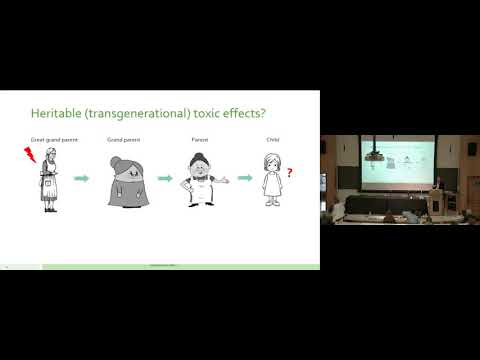
You know what’s wild? Imagine a tiny room full of scientists, all whispering about how certain chemicals can mess with a baby’s development. Sounds like a movie plot or something, right? But it’s actually a real deal!
So, let’s chat about developmental toxicity. It’s one of those things that sounds super serious, but it affects us all. Seriously, every time you hear about pollutants or chemicals in everyday products, it connects back to this idea.
A few years ago, I read about a woman who changed her entire diet after learning some fish could have toxins that might harm her baby during pregnancy. Her story really stuck with me. She wasn’t trying to be dramatic; she just wanted the best start for her little one.
And that’s what this whole topic is about: awareness! We’ve got to understand what these toxic substances are and how they can sneak into our lives. It’s not just science jargon—it’s real-life stuff that can shape our health and future generations. So stick around; there’s so much to uncover!
Understanding Toxicity in Public Health: Implications and Insights for the Scientific Community
So, let’s chat about toxicity and how it plays into public health. It sounds a bit heavy, right? But hang with me. Toxicity is a big deal when it comes to our health, especially for little ones who are still developing.
Here’s the thing: toxicity refers to how harmful a substance can be to living organisms. And not all toxins are created equal. Some might cause immediate harm, while others take their sweet time before showing any effects. This becomes super important when we think about vulnerable populations like kids or pregnant women.
Now, let’s break this down a bit more:
- Developmental Toxicity: This type of toxicity happens when exposure to certain chemicals during pregnancy or early life leads to problems in physical or mental development. You can imagine how crucial this period is!
- Chemicals Everywhere: You’re probably surrounded by potential toxins—think household cleaners, pesticides, and even some cosmetics! Some of these have been linked to developmental issues.
- Research is Key: Scientists study these toxins through various methods including animal studies and human epidemiological studies. They want to understand how exposure affects growth and development over time.
- Regulatory Actions: The scientific community often collaborates with public health officials to create guidelines on safe levels of exposure for certain substances. It’s like saying, “Hey! Let’s keep our kids safe from this stuff!”
- Anecdotal Evidence: There are tons of stories out there about parents realizing their kids had developmental delays after being exposed to certain chemicals in toys or even food packaging. It really hits home.
And here’s something interesting: not all exposures are obvious! Sometimes, it could be something as simple as breathing in particles from a nearby factory or using a product without realizing its dangers. Frightening, huh?
The scientific community has made huge strides in understanding these dangers over the years. Researchers work hard to gather data and provide insights that help formulate policies aimed at reducing exposure risks for everyone but especially for the most vulnerable among us—children and pregnant women.
You know what else? Public awareness campaigns play a big role too! When people know what potential threats lurk in their daily lives, they can make more informed decisions about what products they buy—and that’s empowering!
If you think about it, balancing the benefits of technological advancements with potential risks is no small feat. It requires ongoing discussions and collaborations among scientists, policymakers, and community members alike.
To sum it up: understanding toxicity isn’t just for scientists locked away in labs; it resonates deeply within communities and impacts how we approach health as a society. We’ve got work ahead of us but knowing more helps us advocate smarter choices!
The Critical Role of Toxicology in Advancing Public Health: Understanding Chemical Risks and Safety Measures
Toxicology is, like, super important when it comes to keeping us all safe from potential chemical hazards. You might think of it as the science of understanding how different substances affect living organisms. So, if you’re curious about how chemicals impact health—especially during development—this is where toxicology really shines.
When we talk about developmental toxicity, we’re referring to how certain chemicals might mess with the growth and development of an embryo or fetus. Imagine a tiny baby starting to form in the womb; it’s a pretty delicate process. If something goes wrong at this stage, it can lead to serious lifelong consequences. That’s why scientists focus on identifying these risks early on.
So what do toxicologists do? Well, they study various substances—like medications, environmental pollutants, and even food additives—to figure out how they can affect health. They look at things like how much exposure is too much and whether certain groups (like pregnant women or kids) are more vulnerable. Basically, they help set safety standards for what’s acceptable in our environment.
Now, let’s break it down a bit more with some key points:
- Identifying Chemical Risks: Toxicologists conduct tests to see if substances are harmful. For example, studies have shown that certain pesticides can disrupt hormonal functions in developing children.
- Setting Safety Measures: After figuring out risks, they help create guidelines and regulations. Think about how there are restrictions on lead levels in toys or drinking water—that’s thanks to toxicological research.
- Public Awareness: Raising awareness is super crucial! When people know about potential risks, they’re better equipped to make informed choices. This was especially true during the debates over BPA in plastics; public concern led to many companies changing their products.
- Cross-Disciplinary Approach: Toxicology doesn’t work in a bubble! It overlaps with fields like epidemiology and pharmacology. For instance, understanding how drugs interact with the body provides insights that benefit public health policies.
All of this work culminates in making our world safer! Think back to when I said developmental toxicity is critical—just look at the Thalidomide tragedy of the 1960s. Pregnant women took this drug for morning sickness without knowing it would cause severe birth defects. The fallout from that catastrophe pushed toxicologists into the spotlight as they rallied for stricter drug testing regulations.
In schools and communities today, you’ll find efforts aimed at educating people about chemical exposures through various campaigns and learning materials. It’s not just academics dealing with these issues; public health professionals also get involved.
The connection between toxicology, public health, and safety measures really can’t be overstated—it’s all tied together! And while we’ve made strides over time, new chemicals keep popping up—usually faster than we can study them—which makes ongoing research super vital.
So next time you hear about new regulations concerning chemicals or see a news story on environmental toxins affecting community health remember: behind those developments are teams of dedicated scientists working hard to protect us all from potential harm!
You know, when we talk about developmental toxicity, it’s kind of like peeling an onion — each layer reveals something significant. Basically, it refers to how certain substances can negatively affect the development of an organism, especially during crucial early stages, like pregnancy or infancy. It’s alarming to think that things we encounter daily could potentially harm the tiniest among us.
I remember this one time I was chatting with a friend who was pregnant. She was super excited but also really anxious about all the things she should avoid – from certain foods to cleaning products. We ended up talking for hours about how overwhelming it can be- seriously, there’s so much information out there! It struck me then just how important public health awareness is in this field. People need reliable info to make decisions for their health and their baby’s health too.
The thing is, many folks might not realize that exposure to harmful chemicals isn’t just some scary story from a science fiction movie; it’s happening all around us. Take things like lead or mercury—these are serious culprits when it comes to developmental toxicity. And they were once pretty commonly found in everyday items! Imagine that; what was once considered safe could later be linked to severe health issues.
Public health campaigns have made strides in raising awareness about these risks. Still, there’s a lot more work needed to engage people in a meaningful way. It’s not enough just to put out facts and stats; it needs to come from a genuine understanding of people’s lives and concerns.
Also, consider this: we live in a time where science has advanced leaps and bounds—like seriously cool stuff! We have better tools and tests now that help identify toxic substances faster than ever before. But if we can’t communicate these findings effectively, then what good are they? So yeah, making scientific discoveries accessible has never been more crucial.
In essence, developing a strong public health awareness surrounding developmental toxicity isn’t just about some technical jargon or complex studies; it’s about real lives, families making informed choices and protecting future generations. And every little bit counts! So when you hear someone share their experience or ask questions about what’s safe for them or their kids—listen up! That kind of conversation can spark change and create safer environments for everyone involved.