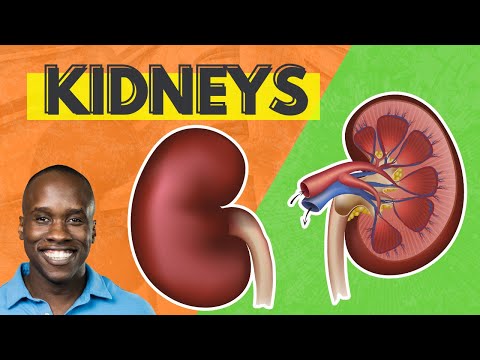
You know what’s funny? The kidneys are like those tiny, overlooked superheroes in your body. Seriously! They’re just hanging out there, working away, and most people don’t even know much about them.
Did you ever realize we have two kidneys? It’s wild when you think about it. If one goes on vacation—say hello to the beach!—the other one’s got ya covered for all your filtering needs.
So, what do these little guys actually do? Well, they’re not just there for decoration. They’re busy filtering blood, balancing fluids, and even helping with waste removal. Who knew they had such cool jobs?
In this journey through kidney structure and function, we’ll take a peek at how these organs work and why they matter so much in keeping us healthy. Let’s unravel the amazing world of kidneys together!
Exploring the 7 Essential Functions of the Kidney in Human Physiology
Alright, let’s chat about kidneys! They might be small, but they sure pack a punch when it comes to keeping our bodies in tip-top shape. Basically, your kidneys are two bean-shaped organs hanging out on either side of your spine, just below your rib cage. They’re like the body’s filtration system—super helpful for keeping everything balanced.
1. Filtration of Blood: First off, the kidneys are responsible for filtering blood. Imagine them as little strainer that catches all the bad stuff like waste and extra salts. They take out urea—a waste product made when your body breaks down protein—and send it to be excreted as urine.
2. Regulation of Blood Pressure: Next up is blood pressure regulation. The kidneys control how much water you have in your bloodstream. If you drink lots of water, they let more out; if you’re dehydrated, they hold onto more to keep those levels stable. It’s kind of like adjusting a faucet based on how thirsty you are!
3. Electrolyte Balance: Then there’s electrolyte balance. You’ve heard of sodium and potassium, right? These minerals are crucial for things like muscle function and nerve signaling. Your kidneys make sure these guys stay at proper levels by filtering them out or putting them back into the bloodstream as needed.
4. Acid-Base Balance: Your kidneys also help maintain acid-base balance—think of it as keeping your body’s pH in check! If you get too acidic from stuff like exercise, they can remove hydrogen ions and reabsorb bicarbonate to bring things back to normal.
5. Erythropoiesis Regulation: Another cool function is regulating erythropoiesis or red blood cell production! They produce a hormone called erythropoietin (EPO) when oxygen levels drop in the blood. EPO tells your bone marrow to make more red blood cells so that oxygen delivery improves.
6. Metabolism of Vitamin D: Now here’s something that often gets overlooked: vitamin D metabolism! Your kidneys convert vitamin D into its active form, calcitriol, which is essential for calcium absorption in the gut and bone health overall.
7. Detoxification: Lastly, the kidneys play a role in detoxification—removing drugs and toxins from the body! Any medications or substances you consume can pass through the kidneys for elimination so that they don’t hang around longer than necessary.
You see? Kidneys are doing a ton of work behind the scenes to keep us healthy and functioning properly! Taking care of these little powerhouses is super important—staying hydrated and maintaining a balanced diet really helps them do their job better!
Understanding Kidney Anatomy: Location and Structural Overview in Human Physiology
Sure! Let’s chat about the kidneys. These little bean-shaped organs are super important, but sometimes they don’t get as much attention as they deserve.
First off, you should know that the kidneys are located in your lower back, one on each side of your spine. They sit just above your waist, kind of tucked away between your ribs and your hip bones. Imagine a pair of kidney beans lying flat in your body. They’re not huge—each kidney is about the size of a fist.
Now, here’s the cool part: each kidney has a pretty complex structure inside it. They are made up of tiny units called nephrons. These nephrons are the real workhorses—you can think of them like tiny filters that clean your blood. Each kidney has around a million nephrons! That’s a lot of filtering power.
So, what do these nephrons actually do? Well, they help remove waste products and extra water from your blood to create urine. Pretty neat, huh? The nephron has different parts: it includes a glomerulus (that’s where filtration happens) and a renal tubule (where useful substances can be reabsorbed).
But there’s more! The kidneys aren’t just filtration factories; they also play a key role in maintaining balance in your body. They regulate electrolytes like sodium and potassium, which are crucial for nerve function and muscle contractions. Plus, they help control blood pressure by managing how much water is in your system.
And let me tell you about the blood supply to these organs. Each kidney gets its blood from the renal artery, which branches off from the abdominal aorta—a major artery that runs through your belly area. Once it does its job filtering blood, it hands off cleaned-up blood to the renal vein before returning it to circulation.
You might find this interesting too: there’s something called “the renal pelvis”—a funnel-shaped structure that collects urine before it travels down to the bladder via tubes called ureters.
Sometimes when I think about how intricately these organs work together with other systems in my body—I can’t help but feel amazed! It’s like having an incredibly efficient little factory right inside me that keeps things running smoothly.
So yeah, if you ever felt something weird going on with your back or had any issues with peeing or swelling—your kidneys could very well be at play here since they’re so essential to keeping us healthy! Just remember: taking care of them means staying hydrated and avoiding stuff like excessive salt and junk food.
In short—kidneys may be small but their role in our body is anything but trivial!
Comprehensive PDF Guide to Kidney Anatomy: A Detailed Exploration for Science Enthusiasts
So, you’re curious about kidney anatomy? That’s pretty cool! Kidneys are like those unsung heroes of your body, quietly doing their job while you go about your day. Let’s dig into the structure and function of these vital organs.
Kidney Basics
First off, you’ve got two kidneys. They’re shaped like beans and sit right under your ribcage. Each kidney is about the size of your fist. They might be small compared to other organs, but they pack a big punch when it comes to keeping our bodies in check!
Now, what do kidneys do? Well, they filter waste products from the blood, regulate electrolyte levels, and help control blood pressure. Kind of a big deal, huh? If you think about it, every time you pee, you can thank your kidneys for doing their job!
Inside a Kidney
Alright, let’s get into the nitty-gritty of kidney anatomy:
- Cortex: This is the outer layer of the kidney. It contains tiny structures called nephrons that are super important for filtering blood.
- Medulla: The inner part that has pyramidal shapes and it helps in the concentration of urine.
- Pelvis: This is where urine collects before heading off to your bladder. Think of it as a waiting room for pee!
The Nephron: Kidney’s MVP
Now let’s talk about nephrons. Each kidney has around a million of them! Wow! They’re like mini-factories that do all the heavy lifting. A nephron has several parts:
- Glomerulus: A bunch of tiny blood vessels where filtration starts.
- Bowman’s Capsule: The part that catches filtered fluid from the glomerulus.
- Proximal Tubule: Here’s where most nutrients and water get reabsorbed back into your bloodstream.
- Loop of Henle: This section helps concentrate urine and conserve water.
- Distal Tubule: More reabsorption happens here along with some secretion.
It’s all connected like a well-oiled machine!
Circulation and Nerve Supply
You can’t forget about how kidneys get their power supply! They have an impressive blood flow: about 20% of your heart’s output goes to them. Blood enters through the renal artery, gets filtered in those nephrons we talked about earlier, and leaves through the renal vein.
Also worth mentioning is how kidneys are controlled by nerves from both sympathetic (fight or flight) and parasympathetic (rest-and-digest) systems. It’s like having a remote control for adjusting how they work depending on what you’re doing!
The Importance of Kidney Health
Taking care of your kidneys is crucial! You don’t want to mess around with them because issues can lead to more serious health problems down the line—like high blood pressure or even kidney disease.
Drinking enough water helps keep them functioning smoothly while eating healthy foods gives them what they need to thrive! Seriously though; think twice before reaching for that extra slice of pizza after a night out—your kidneys could use some love too!
There you have it—a chill stroll through kidney anatomy and function. Next time you think about peeing or passing by those bean-shaped wonders in biology class, remember all they’ve got going on behind the scenes!
Alright, so let’s chat about kidneys for a sec. You might think of them as just those bean-shaped things chillin’ in your lower back, but there’s a lot more to them than meets the eye. Imagine them as the body’s little filtration factories. Seriously, they’re like tiny superheroes working non-stop without asking for a day off!
Each kidney has this intricate structure that’s just mind-blowing. You’ve got the outer layer called the cortex and then deeper inside is the medulla, which has all these little pyramids that look kind of like ice cream cones standing on their pointy ends. So cool, right? Now, picture those nephrons—the real MVPs inside your kidneys. Each kidney has about a million of these guys! They’re responsible for filtering out waste from your blood and balancing all those important electrolytes.
Thinking about this kind of brings me back to when I was in high school biology class. I remember sitting there as our teacher explained how kidneys regulate fluids and electrolytes, and I was trying hard not to zone out—but then she started talking about what happens when they don’t function properly! Suddenly it clicked; I mean, the thought of toxins building up in our bodies is pretty scary! It was like a light bulb went off.
So here’s where it gets even more interesting: kidneys don’t just filter everything out and call it a day; they also help control blood pressure through something called renin production. That’s right; they’re multitasking champs! And let’s not forget about how they produce erythropoietin, which manages red blood cell production. If you think about it, that makes them just as crucial as your heart or lungs.
Anyway, yeah—our kidneys are amazing little organs doing some serious heavy lifting without making any noise. All this complexity packed into such small space is truly awe-inspiring. So next time you hear someone mention their kidneys, maybe take a second to appreciate all that action happening behind the scenes!