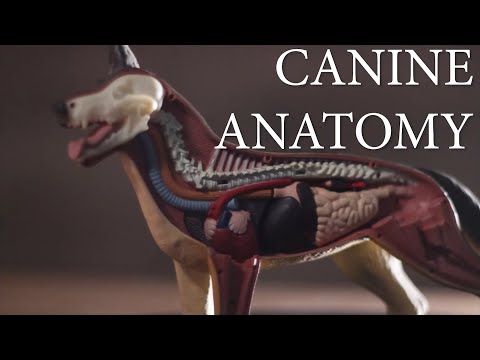
You know how dogs go totally bonkers over their bones? It’s like we waved a magic wand and suddenly they’re on a quest to find the best chew toy ever. But here’s the thing: dogs aren’t just munching on these bones for fun. There’s some serious science behind it!
I remember once watching my dog, Max, get a hold of one of those big knuckle bones. He was in his own little world, working at that thing like it was his job. It made me wonder—what’s up with dog bones anyway? How do they work, and why do our furry pals love ‘em so much?
So let’s unpack the anatomy of dog bones. Seriously, it’s super interesting! From their shape to how they help your pup stay healthy, each little detail plays a role in their chewing adventures. Buckle up—it’s going to be a tasty ride!
Understanding the Function of Canine Bones: Insights from Veterinary Science
Dogs are fascinating creatures, right? One of the most interesting parts of their anatomy is their bones. Like us, dogs have a skeletal system that supports their bodies and allows them to move around. But there’s a lot more to it than just that!
Canine bones are really strong yet surprisingly light. This combination is perfect for what dogs do best: running, jumping, and playing! You see, the bones in a dog’s body are not just for structure; they also protect vital organs. For example, the skull shields the brain, while the rib cage protects the heart and lungs.
When you look at a dog’s legs—especially those long ones of Greyhounds or even your scruffy little buddy—you notice something neat. The leg bones consist of several parts like the humerus, radius, and ulna. These work together to let your pup run with speed. Each part has its role; some help with lifting the leg while others assist in stability during those wild sprints in the park.
Another cool point? Dogs have this thing called a skeleton type, which varies by breed! Bigger breeds like Great Danes have larger bones to support their weight. Smaller breeds like Chihuahuas have lighter bones because they don’t need as much bulk. You follow me? This means that each breed has evolved its bone structure to fit its lifestyle.
But it’s not just about size; it’s also about health! Regular exercise helps strengthen a dog’s bones over time. Just think about those adorable puppies bouncing around! They’re actually helping to build bone density as they play. If they don’t get enough physical activity, it could lead to weaker bones later in life.
Then there’s nutrition—a biggie when talking about bone health! Dogs need certain vitamins and minerals, like calcium and phosphorus, for bone development. A proper diet can make all the difference in keeping those canine skeletons strong and healthy.
And here’s an emotional nugget: I remember watching my dog suffer from arthritis as he got older—his joints became stiff and painful. It was heartbreaking to see him struggle with moving around due to his weakening bones. That kind of stuff emphasizes how important it is for us to pay attention to our furry friends’ bone health throughout their lives.
So next time you see your dog prancing around with that goofy grin, just remember how incredible their skeletal system is! With each leap into the air or playful roll on the ground, those canine bones are doing some serious work—even if we don’t always notice it. Isn’t that something?
Evaluating the Nutritional and Health Benefits of Dog Bones: A Scientific Perspective
When we think about dog bones, we usually picture our furry friends gnawing on them happily. But have you ever wondered what’s actually going on in terms of nutrition and health benefits? Let’s break this down a bit.
First up, bones are made mostly of collagen, calcium phosphate, and other minerals. This structure is super strong but also essential for your dog’s health. Dogs need these nutrients for maintaining healthy teeth and bones. Think about it: just like us humans need calcium for strong bones, dogs rely on it too!
Now, chewing on bones can help with dental hygiene. The act of gnawing can reduce plaque and tartar buildup. This is kind of like how brushing your teeth helps prevent cavities. When a dog chews, that rough surface scrapes away gunk on their teeth—you follow me?
Apart from dental benefits, there’s also the matter of enrichment. Dogs love to chew; it’s instinctual! Chewing provides mental stimulation and can help alleviate boredom or anxiety. Have you seen your pup sigh after chewing a bone? That’s relaxation right there.
- Raw bones versus cooked bones: Raw bones are softer and splinter less than cooked ones, which can be dangerous since they might shatter in your dog’s mouth.
- Bone marrow: Dogs actually love digging into bone marrow; it’s rich in fats! Just don’t let them overdo it because too much fat can upset their tummies.
- Nutritional value: Some bones have additional nutrients like magnesium and phosphorus. These minerals are crucial for various bodily functions.
You might be wondering: what if I give my dog too many bones? Well, just like any treat or food item, moderation is key! Too many bones could lead to constipation or even digestive blockages—yikes!
Anecdote time! I remember my friend’s golden retriever named Max. He absolutely loved his beef bone but would get so excited he’d practically dance around the room! But after a particularly intense chew session one day, he ended up with a tummy ache because he’d gobbled up too much marrow at once. Lesson learned: even joy needs balance!
The bottom line here is that while dog bones can offer some fantastic nutritional advantages—like improved dental health and mental stimulation—they should definitely be given thoughtfully. And remember to keep an eye on your pup during bone time just to make sure everything goes smoothly!
The science behind dog bone anatomy really supports their role in keeping our furry pals healthy and happy but always watch for any signs of trouble after they indulge in those crunchy delights.
Exploring the Role of Dog Skeletons in Scientific Research and Education
So, let’s talk about dog skeletons and why they’re super interesting in both scientific research and education. Seriously, these furry friends have a lot to teach us!
First off, dog skeletons provide incredible insights into not only canine anatomy but also into a wide range of biological concepts. When researchers study dog bones, they can learn how different species function, which is pretty cool if you think about it. It’s like looking at a living history book.
When it comes to educational settings, dog skeletons are often used as teaching tools. They help students understand basic anatomy and physiology in a tangible way. For instance, learning about the skeletal structure of dogs can easily translate into understanding similar structures in humans and other animals. It’s like drawing lines between different species.
But what’s fascinating is how dog bones can tell stories about evolution too! They reveal adaptations over time that correspond with their roles as companions to humans. Take the forelimbs, for example—dogs’ front legs are built for running but also for digging or grabbing things. This adaptability shows how they have changed alongside us.
Here are some key points about the significance of studying dog skeletons:
- Bone Structure: Dog bones vary greatly between breeds. Studying these differences helps scientists understand genetics and health.
- Anatomical Variability: The diversity among breeds allows research on muscle use and bone density.
- Cultural Insights: Bones from ancient dogs give insights into human societies and their relationships with animals through time.
- Disease Research: Dogs suffer from many diseases similar to humans; studying their skeletal changes can help us manage our own health.
You might be thinking that studying bones sounds just a bit grim, but here’s where it gets emotional! When I was in school, we had this old dog skeleton named Max that was part of our biology class. Max had been lovingly donated by a local vet and was a real character—noticeable wear on his leg bones told stories of countless fetch games and long walks with his family. You couldn’t help but feel connected to him while learning!
Moreover, these studies have practical implications too! Through understanding canine bone structures better, we can create better treatment plans for dogs facing mobility issues or injuries—like joint problems that many older pups experience.
In summary, exploring the role of dog skeletons in scientific research really shines a light on both evolutionary biology and veterinary medicine. Who would’ve thought those playful pups could hold such valuable knowledge inside their bony frameworks? So next time you see your furry friend running around or napping peacefully on the couch, remember there’s way more than meets the eye—there’s an entire world of science behind those bones!
You know, when you see your pup gnawing on a bone, it’s easy to just think they’re having a blast. But there’s so much more going on under the surface! The science behind dog bone anatomy and function is actually really neat and kind of makes you appreciate your furry friend even more.
Let’s start with the basics. Dog bones are primarily made of a hard material called calcium phosphate. This compound gives bones their strength, allowing them to support the weight of your dog while they run around and play. But it’s not just about being tough; bones are also surprisingly lightweight because they have a sponge-like inner structure called cancellous bone. Imagine trying to lug around an elephant made entirely of solid rock—that would be impossible, right? So, it’s great that dogs can have sturdy bones without being weighed down.
Now, if you ever watched your dog chomp on those bones like there’s no tomorrow, it might surprise you to know that they’re actually doing more than just satisfying their chewing instinct. Chewing helps keep their teeth clean and healthy by scraping away plaque and preventing gum disease. It’s like a free dental plan courtesy of Mother Nature! Plus, when they chew on bones or tougher toys, they’re exercising their jaw muscles—kind of like how we hit the gym for some cardio.
And speaking of chewing for health benefits—have you noticed how dogs seem to love gnawing on bones that are a bit tougher? Well, that’s because those tougher bones contain marrow, which is rich in fat and nutrients. It’s packed with calories that give them energy. So while they’re having fun tearing into that bone, they’re also getting some good nutrition out of it.
But let me tell you something personal here. I remember my childhood dog Daisy who would light up every time my parents brought home a bone from the butcher shop. She’d prance around with it as if she conquered Mount Everest! Watching her enjoy those moments was pure joy for me. It taught me early on that there was more at play than just simple fun; instinctively she knew what her body needed.
Of course, pet ownership comes with responsibilities too! Not all bones are created equal; some can splinter or be unsafe for your pup’s digestive system. It’s always good to keep those factors in mind when choosing what kind of treat to give them.
In short, the science behind dog bone anatomy is pretty fascinating—and understanding it can make you appreciate those happy little moments when your furry friend is blissfully chewing away. There is beauty in the details: from how a dog bites down on a bone to how their bodies benefit from chewing as nature intended. You feel me?