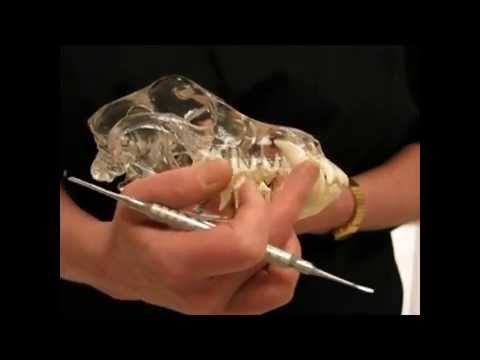
Okay, so picture this: you’re sitting on your couch, right? Your dog strolls over, tongue lolling out and those big ol’ lips sliding around. And you can’t help but think, “What’s up with those lips?”
You know, it’s easy to overlook the little things about our furry friends. But honestly, dog lips are like a window into their world! Seriously, they play a huge role in how they communicate and interact with everything around them.
From their goofy grins to those dramatic pouts when they’re not getting enough belly rubs, it’s all part of a language that we’ve kinda learned to understand—most of the time. So yeah, let’s take a closer look at what makes those lips so interesting and how they can tell us a ton about our canine pals. You ready?
Exploring the Anatomy of a Dog’s Lips: A Scientific Perspective
Have you ever looked closely at a dog’s lips? Yeah, they might seem like just another cute feature of our furry pals, but there’s actually a whole lot going on beneath the surface. Seriously, let’s explore what makes those lips unique.
First off, the anatomy of a dog’s lips is pretty cool. They’re covered with delicate skin that can be quite sensitive. The outer layer protects the inner tissues and keeps everything nice and moist. This moisture is key for helping dogs taste things better—because let’s face it, they love food!
- Lips Composition: Dog lips have different parts: the upper lip, lower lip, and both can have variations depending on the breed. For example, greyhounds have thin lips that lie close against their teeth.
- Sensory Location: There are tons of nerves in those lips! This makes them super sensitive to touch and temperature—think about how they can detect a gentle caress or a warm treat before we even notice!
You know how dogs express themselves? Their lips play a major role! When dogs smile (or what we think is a smile), their lips pull back to reveal their teeth. This is often seen as a sign of excitement or friendliness. But if you catch them with their lips curled up in another way—uh-oh!—that could mean they’re feeling threatened.
The size and shape of dog lips can also affect their behavior. For example, breeds with loose skin like bulldogs often show more drool around their mouths and may have different ways of communicating excitement or stress compared to breeds with tight-lipped pouts like boxers.
- Lip Movement: Dogs use subtle movements in their lips to communicate emotions. A quick flick of the lip can be part of an appeasing gesture when they want to calm someone down.
- Bark Variations: Interestingly enough, some studies suggest that alterations in lip movement may amplify bark sounds too! The way they shape their mouth can actually change how they sound.
If you’ve ever seen your dog licking its lips after eating or looking at food longingly, there’s science behind that too! Lip licking helps keep them hydrated while also signaling hunger or anticipation. It’s like saying “Hey! I could really use some kibble over here!”
A little emotional moment here: I remember my childhood dog who had the cutest habit of licking her chops whenever my mom cooked dinner. Just seeing her anticipation was enough to get anyone smiling because she was just so expressive!
Interestingly enough, dogs don’t just use their mouths to communicate; they’ll also engage those *lips* when they’re feeling playful or seeking attention from humans. So next time your pup gives you those puppy eyes lined with luscious lips, remember there’s more than cuteness at play!
To wrap this up: while dog’s lips might not be the first thing you think about when considering canine behavior or anatomy, they play an important role in how our four-legged friends experience the world and connect with us. There’s some impressive science happening right there under all that fur!
Exploring the Connection Between Lip Licking Behavior and Canine Anxiety: A Scientific Perspective
So, you ever notice your dog licking its lips a lot? It’s actually pretty interesting when you take a closer look at what’s going on. Lip licking isn’t just about snacking on that tasty treat; it can be a clue to a dog’s emotions, especially when it comes to anxiety.
The Anatomy of Dog Lips plays a role in this behavior. Dog lips are quite different from ours. They’re flexible and sensitive, helping dogs communicate and express feelings. When dogs lick their lips, they might be trying to tell us something important.
- Communication Tool: Dogs use body language and their mouths to communicate. Lip licking is often a sign of stress or discomfort. It’s like them saying, “Hey, I’m feeling a bit uneasy here!”
- Connection with Anxiety: Research shows that anxious dogs may lick their lips more often as a coping mechanism. It helps soothe them, almost like how we might bite our nails when nervous.
- Licking as Displacement Behavior: Sometimes they do this instead of acting out other anxiety-driven behaviors like barking or hiding. It’s kind of like how people might fidget when they’re anxious—it’s an outlet!
You might have seen this behavior during stressful situations like thunderstorms or when meeting new people or pets. Imagine your dog is curled up during a loud storm, looking all wide-eyed; then suddenly, it starts licking its lips non-stop! That lip licking could be its way of calming itself down.
You know what’s even crazier? Some studies suggest that lip licking can also signal submission or appeasement towards other dogs or even humans. If your pup feels overwhelmed by another dog at the park, the lip lick could be an olive branch—“Hey buddy, I come in peace!”
- Sensory Input: Dogs have tons of sensory receptors in their mouths. Licking can also help them explore their environment and gain information about the world around them.
- Health Indicators: Excessive lip licking can indicate health issues too! If you notice your pooch doing it way too much along with other odd behaviors, it might be time for a vet visit.
The connection between lip licking and anxiety makes so much sense once you think about it! It highlights just how aware our furry friends are of their feelings and surroundings—which is kind of mind-blowing if you think about it! Understanding these little things helps us be better pet owners because we can respond with the care they need.
So next time you catch your dog giving those lips a good lick, take a second to consider what’s happening in their world—it could reveal more than just snack cravings!
Exploring the Science Behind Zigzag Lips in Dogs: A Biological Perspective
So have you ever noticed those adorable zigzag patterns on a dog’s lips? It’s one of those unique features that makes dogs, well, dogs! But aside from being super cute, there’s some interesting science behind it.
The anatomy of dog lips is pretty fascinating. Dogs have a layer of skin that forms their lips, but the real magic happens beneath the surface. These lips are connected to muscles and other tissues that help them move and express emotions. Think of them like little flaps that can open and close, revealing their teeth or just hanging loose when they’re relaxed.
- Muscle Control: The lips are controlled by a series of muscles. When a dog smiles or shows their teeth in a playful way, those muscles pull the zigzag patterned lip into action!
- Sensitivity: Those lips are also very sensitive. They have nerve endings that help dogs feel different textures and temperatures. This is super important for how they explore their world—these little guys are like furry detectives!
- Expressing Emotion: Zigzag lips can help convey emotions. A dog might curl its lip slightly in a zigzag when they’re feeling curious or playful. Ever seen a dog do that little half-smile? It’s adorable and communicates their mood instantly.
You know how every breed has slightly different looks? Well, the shape and length of the lips can vary depending on the dog’s breed. For example, bulldogs often have thicker, more pronounced zigzag patterns compared to sleek greyhounds whose lips are thinner but still expressive!
A fun story comes to mind… I was at the park one day watching my friend’s golden retriever frolic around with such joy! His zigzag lips were flapping everywhere as he wagged his tail like crazy! You could see his excitement not just through his wagging but right there on his face too—all thanks to those flexible little flaps!
Beyond expression, those zigzags also play a role in behavior. When dogs lick their lips in certain situations, it can indicate stress or anxiety. So it’s not just about looking cute; it’s actually part of how they communicate with us and each other!
If you’re ever curious about why your pup does certain things with their mouth, just remember—it all connects back to these funky little features on their face! Those zigzag lips aren’t just there for aesthetics; they serve real biological functions related to emotion and communication.
The next time you see your furry friend flash those zigzags at you, think about all that’s going on beneath the surface. There’s more than meets the eye—or should I say lip?
Dog lips may seem like just a cute part of their face, but there’s actually a whole lot going on under those furry folds! You ever notice how they can curl up when they’re happy or scrunch down when they’re feeling anxious? It’s kinda fascinating. Like, here I am thinking they’re just flapping around, but they play an important role in communication and behavior.
Have you seen a dog smile? That joyful expression with the lips pulled back and that goofy grin? It’s not just for show! This behavior can signal excitement or happiness. When your pup greets you at the door, tongue out and lips all my-gosh-I’m-so-happy-to-see-you, it’s their way of saying “I love ya!” And when they lick you? Yeah, that’s affection too. It’s like their own version of giving hugs.
But it ain’t all sunshine and rainbows. Sometimes those lips go tight, especially in unfamiliar situations. Think about a dog at the vet—they might tuck those lips in, look away, or even bare their teeth slightly. This is also part of their way to communicate how they’re feeling. Translating the canine language can be tricky; sometimes it feels like deciphering an ancient scroll!
There’s something heartwarming about knowing that such a simple feature holds so much meaning in our furry friend’s world. The other day I watched my neighbor’s dog interact with another pup in the park. They were sniffing each other and checking things out with their lips doing all sorts of movements—slightly lifted here and there curled back there. It made me realize that every little twitch tells a story about what they’re feeling.
And you know what? Dog lips even help with their health—keeping those pearly whites from drying out too much and protecting their gums while munching on treats or toys! Who knew this little feature could pack such a punch?
So next time your dog gives you that goofy smile or nervously laps at the air with puckered lips, take a minute to appreciate what’s going on beneath the surface. Lips may seem simple, but they’re a vital part of how our delightful companions express themselves!