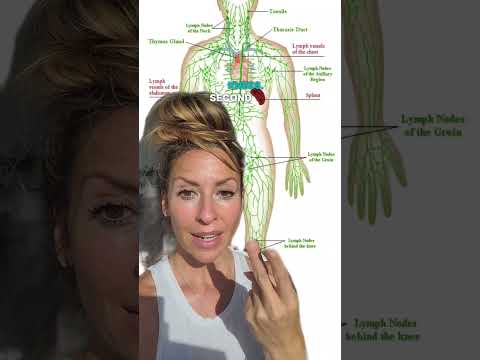
You know, when I was a kid, I thought ducts were just those weird tubes in the ceiling that carried air. Like, who cares, right? But then I learned that ducts are so much more! They’re like the unsung heroes of living systems.
Seriously, they’re everywhere. In our bodies, plants, even in tiny organisms. Ducts direct stuff—like fluids and gases—throughout different systems. It’s pretty wild when you think about it!
Imagine your favorite pizza place delivers pie through a secret underground tunnel. Well, that’s kind of like what ducts do for living things!
So yeah, buckle up! We’re about to dig into the fascinating world of duct biology and how these little guys keep life flowing smoothly. You ready?
Exploring the Biggest Mystery in Biology: Unraveling Nature’s Greatest Secrets
So, let’s talk about one of the coolest mysteries in biology: the way living systems work in harmony. You know, how all those tiny parts come together to create something amazing? It’s like a well-rehearsed orchestra, each section playing its unique role.
Now, a big part of this mystery is found in something called **duct biology**. This term might sound fancy, but it’s really about understanding how materials move throughout an organism – think of it as the delivery system within living beings.
What are ducts? These are channels through which substances flow. In your body, for instance, we have blood vessels that act like roads for blood cells. They help deliver oxygen and nutrients to cells everywhere. Pretty neat, huh?
But here’s where it gets fascinating: not just animals have these systems. Plants do too! Ducts in plants, called xylem and phloem, transport water and nutrients from the roots to leaves and back down again. Imagine a water slide carrying everyone at an amusement park; that’s how those ducts work!
Now let’s look at some specific examples:
- Xylem: This duct carries water from the roots up to the leaves. That’s crucial for photosynthesis—basically how plants make their food.
- Phloem: This one moves sugars produced in the leaves downwards to other parts of the plant where it’s needed for energy.
- Blood Vessels: In humans and animals, arteries carry oxygen-rich blood away from the heart while veins bring deoxygenated blood back.
It’s important to note that these ducts are not just passive tubes; they actively regulate what passes through them! For example, if your body gets low on water, certain signals can cause your kidneys to concentrate urine more efficiently. So basically, they’re smart systems adapting to what you need.
Now take a moment and imagine being inside a cell—like really tiny! It’s full of these little highways moving stuff around constantly. The complexity is mind-blowing.
So why does all this matter? Well, understanding duct biology could lead us to breakthroughs in medicine or environmental science! If we get better at managing these transport systems in organisms or even creating artificial ones, we might solve issues like diseases or crop failures.
You see? The more we uncover about how life works—like duct biology—the closer we get to solving nature’s greatest secrets. Honestly? It makes me feel excited about what else is out there waiting for us to discover!
Understanding the Bile Duct: Key Functions and Importance in Biological Systems
The bile duct is like this unsung hero in your body, playing a super important role that you might not even think about. It’s a part of your digestive system and it helps you absorb fats, which is pretty essential for your overall health. So, let’s break it down.
What Is the Bile Duct?
Basically, it’s a tube that carries bile from your liver and gallbladder to your small intestine. Bile is this greenish fluid that helps with fat digestion. Imagine trying to eat greasy pizza without any help breaking down those tasty, fatty bits—total disaster, right? That’s where bile comes in.
Key Functions of the Bile Duct:
- Transporting Bile: The main job of the bile duct is to get bile where it needs to go. When you eat something fatty, hormones signal for bile to be released.
- Aiding Digestion: Once in the small intestine, bile emulsifies fats—this means it breaks them down into smaller droplets so enzymes can do their thing and digest them properly.
- Wasting Management: The duct also helps remove waste products from the liver, like bilirubin (which gives bile its color) and excess cholesterol.
So picture this: You just had a delicious meal—a rich pasta dish topped with creamy sauce. Your body quickly realizes it needs help digesting all those fats. The liver pumps out some bile into the gallbladder where it’s stored until needed. Once you start munching away, bam! Your gallbladder releases the bile through the ducts right into your small intestine.
The Importance of the Bile Duct in Biological Systems:
Now let’s talk about why the health of your bile duct is crucial. If something goes wrong—like if there are gallstones (those little rock-like formations)—they can block the duct. This blockage can lead to pain and serious digestive issues. You might even face problems like jaundice if bilirubin builds up because of obstruction. Ouch!
Also, diseases affecting your liver or pancreas can totally disrupt how well the bile duct functions too. So keeping everything healthy down there is kind of a big deal!
A Quick Recap:
To sum things up: without a functional bile duct, digesting fats properly would be tough—all while managing waste would be a mess too! Your body relies on this clever little tube for smooth digestion and maintaining balance in how it processes nutrients.
So next time you’re enjoying a meal with some good fat content—think about that amazing little bioengineering feat working hard behind the scenes: your trusty bile duct!
Exploring the Impact Factor of Cell Communication and Signaling in Biological Research
Exploring how cells talk to each other is like eavesdropping on a fascinating conversation. Cell communication, or signaling, is literally how your body coordinates a million tasks at once. Think of it as the ultimate group chat where everyone needs to know what’s happening to keep things running smoothly.
First off, let’s break down what cell communication really means. Cells need to send and receive messages to coordinate their activities. They do this through signaling pathways, which are basically routes that messages travel along. These pathways can get a bit complicated but stay with me here!
1. Signaling Molecules: Cells use small molecules like hormones or neurotransmitters as messengers. Imagine hormones as tiny letters being sent through the bloodstream. When they reach their destination, they bind to receptors on other cells, like unlocking a door that triggers an action.
2. Types of Signaling: There are different ways cells communicate:
But why should you care about this? Well, understanding cell communication helps scientists figure out how organisms function at every level. For instance, think about what happens when you eat; your body needs to signal that it’s time for digestion. If these signals get messed up? You could run into some serious health issues.
Let me share something personal here. I remember watching my sister struggle with diabetes when she was younger. Insulin signaling became crucial for her day-to-day life—her body just wasn’t sending messages correctly anymore! It made me realize how essential these tiny molecular conversations are for our overall health.
Now let’s connect this with duct biology—a fancy term related to how stuff moves through our bodies or within cells themselves. Ducts are important because they allow materials (like nutrients and waste) to flow freely; without effective communication between ducts and surrounding cells, everything would get all jammed up!
The Impact Factor: A strong impact factor in biological research often hinges upon unraveling these intricate webs of communication and signaling systems within duct biology too; it’s not just about the ducts but also about how well they’re talking! Scientists can understand diseases better—or even develop new therapies—when they grasp how these signals work.
In summary:
– Cell communication: Essential for coordinating functions.
– Duct biology: Interlinked with cell signaling.
– The ripple effect: Disruptions in communication can lead to health issues.
So there you have it! The way cells chat determines so much about life itself—from daily actions like moving your hand to complex things like metabolism or immunity. It might feel overwhelming at times when diving into details of cellular language, but it’s also exciting—you’re peeking behind the curtain of life!
You know, when you think about living systems, it’s easy to get lost in the complexity of it all. I mean, cells, genes, proteins—it can seem like a massive jumble of science jargon sometimes. But then there are these fascinating structures called ducts that really bring a lot of order to how organisms function. Seriously!
Ducts in biology aren’t just tubes for transport, like the plumbing in your house. They’re responsible for moving essential substances around within an organism. Think about blood vessels for example—they’re ducts that carry blood throughout your body, delivering oxygen and nutrients where they’re needed. And there are tons of other examples too, like the ducts in glands that secrete hormones or enzymes.
I remember this one time back in school, we had this biology class where we dissected a frog (yeah, classic!) and I was just blown away seeing how everything worked together. The way its arteries branched out looked almost like a highway system! It made me realize that living things are like these incredible machines with roads and routes for transportation.
Now, what’s super cool is how these ducts can adapt based on what the organism needs at any given moment. For instance, if you’ve ever felt really hot and started sweating? Well, those sweat glands are getting busy through their ducts to help cool you down—just fantastic!
And it’s not just about humans or frogs; duct biology is everywhere in nature—from tiny plants to giant whales! Each duct has its own unique role depending on the life form it belongs to. How awesome is it that such simple structures can play such massive roles?
But with all this wonder comes some mystery too. Scientists are still working hard to understand how these systems evolve over time and why some organisms have developed super sophisticated duct systems while others keep things pretty simple. It’s like piecing together a gigantic puzzle.
So yeah, duct biology might not be the most glamorous topic at first glance—it’s not as flashy as genetics or neuroscience—but when you really dig into it? There’s so much depth and interconnectedness going on! And at the end of the day, isn’t that what makes life so beautiful?