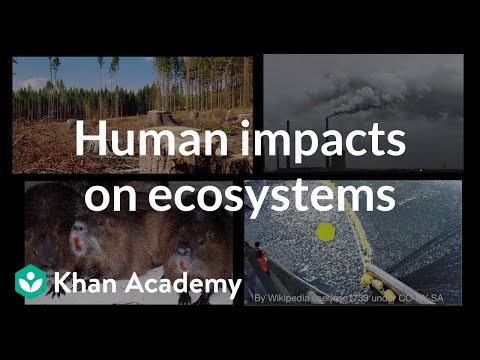
You know that feeling when you step outside, and it feels like the weather’s gone a little wacky? One day, it’s sweltering, and the next it’s snowing in April. Well, that’s climate change messing with our heads.
But it’s not just about weird weather. It’s like a chain reaction that affects pretty much everything around us—plants, animals, and yes, even us humans. Imagine if the local ice cream shop in your neighborhood couldn’t get fresh strawberries anymore because the farmers’ crops are dying off. Bummer, right?
So check it out: climate change isn’t just some distant problem; it’s right here with us now. And if we don’t get our act together soon, we could be facing some real consequences. Let’s dig into how this whole shebang is reshaping our planet and what it means for all of us!
Exploring the 10 Major Environmental Impacts of Climate Change: A Scientific Perspective
Climate change, like a slow-motion train wreck, is causing some serious problems for the planet and all its inhabitants. Let’s break down some of the biggest impacts that you can actually see and feel. It’s a bit of a wild ride, but understanding it is super important.
1. Rising Temperatures
The planet’s average temperature has increased over the last century, and it’s not just from stepping outside on a hot day. This rise affects everything! You might remember that heatwave last summer? Those kinds of temps are becoming more common.
2. Melting Ice and Rising Sea Levels
I mean, have you seen photos of glaciers melting? It’s heartbreaking! As ice melts, sea levels rise, putting coastal communities at risk. Places where you used to hang out at the beach might be underwater soon.
3. Ocean Acidification
This one’s a bit sneaky! When CO2 gets absorbed by oceans, it changes the water chemistry. It makes it harder for shellfish and corals to survive which can mess up entire marine ecosystems that depend on them.
4. Extreme Weather Events
You know those storms that make you say “Wow”? Well, climate change is cranking up their intensity! Hurricanes, droughts, floods—these are happening more frequently and with more power than ever before.
5. Biodiversity Loss
Mammals, birds, insects—you name it—their habitats are disappearing or changing too fast for them to keep up. Think about the sad news stories about species going extinct; many blame climate change for their decline.
6. Disruption of Ecosystems
Ecosystems are like complex webs where everything connects. When one part changes—because of climate—it messes with everything else! For example, if plants bloom earlier due to warmer springs but pollinators don’t adjust their timing? That’s bad news!
7. Impact on Agriculture
If you’ve seen prices skyrocket at your grocery store lately—yup! Climate change plays a role here too! Crops depend on weather patterns which are becoming less predictable thanks to climate shifts.
8. Human Health Risks
This is super concerning: with rising temperatures come health risks like heat exhaustion or heat stroke—especially among vulnerable populations like the elderly or people who work outdoors.
9. Water Scarcity
Lack of water is becoming an issue in many regions due to changing rainfall patterns and increased evaporation rates caused by higher temperatures. Imagine being really thirsty but there’s just no water around; that’s happening in some parts of the world!
10. Economic Consequences
No one likes talking about money too much but let’s face it: when natural disasters happen more often or crops fail because of erratic weather? Economies suffer big time! People lose jobs and livelihoods when climate impacts hit hard.
If you think about all these factors together—it creates quite a picture—and not a pretty one either! The thing is we can’t ignore these issues; understanding them is half the battle in figuring out how to tackle this monster called climate change!
Exploring Three Key Effects of Climate Change on Ecosystems: Insights from Environmental Science
So, climate change is like this super big deal, and it’s not just about warmer summers or colder winters. It’s shaking up ecosystems left and right. Let me walk you through three key effects that really stand out.
1. Habitat Loss
First up, habitat loss is a huge problem. You see, when temperatures rise, many plants and animals can’t just pack their bags and move to cooler places. For example, polar bears rely on sea ice to hunt seals, but as the ice melts, their hunting grounds shrink. It’s like taking away their grocery store! The thing is, this kind of habitat change can seriously disrupt the food chain. If one link goes missing you could end up with a whole chain reaction that affects tons of species.
2. Ocean Acidification
Next on the list is ocean acidification. When we burn fossil fuels, it releases carbon dioxide (CO₂) into the air—but here’s the kicker: about 30% of that CO₂ gets absorbed by our oceans! This makes seawater more acidic, which is really bad news for creatures with shells or skeletons made of calcium carbonate—think corals and shellfish. These creatures struggle to build their shells in more acidic waters—kinda like trying to build a sandcastle with wet sand instead of dry! So when corals die off due to acidification, entire reef ecosystems can crumble.
3. Altered Migration Patterns
And then there are altered migration patterns. Many animals migrate based on seasonal changes in temperature and food availability. But climate change messes with these cues! Birds might arrive too early at their summer breeding grounds because it got warm faster than usual; think about showing up to a party when no one else is there yet! This misalignment can lead to food shortages since insects and plants might not be ready for them when they arrive.
In short, climate change isn’t just some abstract issue that’ll happen “someday.” It’s here now—and it’s wreaking havoc on ecosystems across the globe in ways that are hard to miss but often tough to grasp fully until you see the ripple effects that come from losing even one small part of nature’s puzzle. Seriously thought-provoking stuff if you ask me!
Five Key Human Contributions to Climate Change: An Exploration of Scientific Impacts
Climate change is one of those big topics that feels heavy, huh? It’s like this huge storm gathering with so many causes. You know, humans have made some serious contributions to this whole mess. Let’s dig into five of them.
1. Fossil Fuel Combustion
When you burn fossil fuels like coal, oil, and gas for energy, you release a lot of carbon dioxide (CO2), which is a major greenhouse gas. CO2 traps heat in the atmosphere, leading to global warming. Think about all the cars on the road and power plants burning coal; it’s like we’re constantly adding more blankets to our planet!
2. Deforestation
Cuts in forests are another biggie. Trees soak up CO2 as they grow, acting like natural air filters. But when we chop them down for timber or to make space for farming, we lose that benefit. Picture this: every tree that falls means less clean air and more CO2 chilling in our atmosphere.
3. Agriculture
Agriculture isn’t just about feeding people; it also plays a huge role in climate change. The use of fertilizers releases nitrous oxide (N2O), another potent greenhouse gas! Plus, livestock farming produces methane—a gas much stronger than CO2 when it comes to warming the planet. Just imagine all that methane from cows… kind of makes you think twice about steak!
4. Industrial Processes
The stuff produced in factories can really pack a punch too! Many industrial processes release gases like hydrofluorocarbons (HFCs), which are super effective at trapping heat in the atmosphere—thousands of times more than CO2! It’s wild how our quest for everyday products can lead to such harmful emissions.
5. Waste Management
Littering landfills with organic waste creates methane as it decomposes without oxygen—another contributor to climate change! You know how composting helps cut down on waste? Well, not doing it just adds more greenhouse gases into the air.”
You see these issues are interconnected and stem from our daily choices and habits! Each action contributes to a bigger picture where our planet is feeling the heat—literally! If we want to help ease these changes, it’s time we rethink how we live and what impact it has on Earth.
You know, it’s a bit unnerving when you start thinking about climate change and its ripple effects. I remember this one time I visited a beautiful forest. The trees were so tall and majestic, their leaves danced in the wind. It felt like stepping into another world, all green and alive. Fast forward a few years, and I heard that same forest had suffered from wildfires due to rising temperatures. Just imagining those trees turning to ash? It’s gut-wrenching.
Climate change isn’t just about warmer weather or polar bears losing their ice homes; it’s this massive web of consequences that impacts ecosystems and us humans alike. Basically, everything’s connected. When temperatures rise, habitats shift, making it tough for many plants and animals to survive. Some might adapt, sure, but others? Not so much.
Take coral reefs, for example. They’re like the underwater cities of the ocean—full of life and color! But with ocean temperatures increasing, corals get stressed out and bleach. That’s when they lose their vibrant colors and can even die off if conditions don’t improve. Losing reefs means losing fish populations too; it’s a domino effect we can’t afford.
And then there’s agriculture—our food supply is on the line here! Farmers are already struggling with unpredictable weather patterns; a drought here or too much rain there can ruin their crops completely. If one season fails, it doesn’t just hurt those farming communities—it affects our grocery store shelves too.
But wait! It’s not all doom and gloom because people are fighting back in incredible ways! Communities are coming together to plant trees, reduce waste, use renewable energy—you name it. Individuals are making choices to lower their carbon footprints as well—like biking instead of driving or cutting down on single-use plastics.
So yes, climate change is no joke; its consequences paint a pretty scary picture for ecosystems and humanity as a whole. But seeing how creative people can be when faced with challenges gives me hope! We have the power to make changes for our planet—small or big—and hopefully protect those forests full of life for future generations to enjoy too.