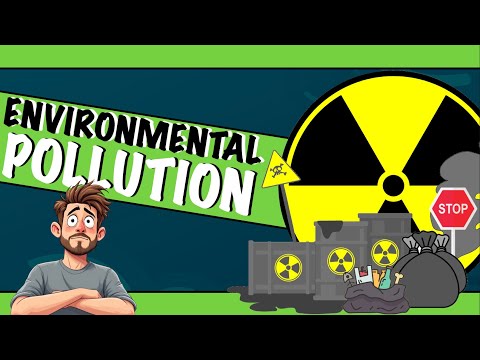
You know, the other day I spilled coffee all over my desk. Yeah, classic me. But while I was frantically cleaning it up, I thought about how that little mess is nothing compared to the big messes we’ve created in our environment.
Like, have you heard about the Great Pacific Garbage Patch? It’s basically a floating island of trash in the ocean. Seriously! It’s wild how we can create such huge problems without even thinking about it.
Environmental contamination is a little like that coffee spill—pretty easy to ignore until it gets out of hand, right? We toss stuff around without realizing what we’re leaving behind for future generations.
So, let’s talk about what’s really going on with all this contamination and why it’s super important to pay attention. Plus, there are ways we can tackle these challenges together!
Understanding the Impact of Environmental Contamination: Key Issues and Scientific Insights
Environmental contamination is a big deal, and it affects us in ways we might not even notice right away. So, what exactly is it? Well, it refers to the presence of harmful substances in the environment—think chemicals, pollutants, and waste—that can mess up ecosystems, soil, water, and air quality. This contamination can come from many sources like industrial activities, agriculture, and even everyday products.
One major issue is air pollution. You know those hazy days when you can barely see the skyline? That’s often due to pollutants like carbon monoxide or sulfur dioxide. They come from car emissions or factories. Studies have shown that long-term exposure to polluted air can lead to serious health problems like asthma or heart disease. Just last week I read a story about a community struggling with this. The local children had higher rates of respiratory issues than kids in cleaner areas.
Then there’s water contamination. This happens when harmful substances enter lakes, rivers, or groundwater. A classic example would be lead in drinking water—a serious issue that gained national attention after the Flint water crisis. Contaminated water can lead to all sorts of health problems and really affects communities that rely on local sources for drinking and irrigation.
Don’t overlook soil contamination, either. It occurs when hazardous substances like pesticides or heavy metals seep into the ground. This is particularly bad for agriculture because it can affect crop yields and even the safety of our food supply. You might remember stories about farms near toxic waste sites struggling to produce safe food for consumers.
Another key point is the impact on wildlife. Many animals are sensitive to changes in their environment caused by contaminants. For example, oil spills devastate marine life—not just killing creatures right away but also making long-term effects ripple through the food chain since pollutants linger in their habitats.
Now think about how all these factors interconnect: polluted air leads to acid rain that contaminates both soil and water; contaminated water bodies harm fish populations which decrease biodiversity; this loss impacts people who depend on fishing for their livelihood—yeah, it’s a messy web!
On top of all this is climate change’s role in exacerbating environmental contamination challenges. Extreme weather events can increase runoff from contaminated sites into clean areas during storms or floods—a really nasty surprise for anyone living downstream.
It’s important we understand these dynamics because acknowledging them helps us push for changes—new policies that promote cleaner industries or better waste management practices are crucial steps forward! But also remembering our individual actions count too: reducing plastic use or using less harmful products at home makes a difference over time.
So yeah, environmental contamination isn’t just about numbers or statistics; it’s deeply personal too! From your neighborhood parks to your family’s health—everything connects back to how we treat our environment today. If we don’t pay attention now… well, future generations will definitely want answers about what we left behind!
Innovative Scientific Solutions to Combat Environmental Pollution Challenges
Coping with environmental pollution is like a never-ending puzzle. Scientists everywhere are stepping up with some seriously cool and innovative solutions to tackle this huge issue. It’s pretty wild to see how creativity and science merge to fight back against contamination, you know?
First off, let’s talk about **bioremediation**. This process uses living organisms, usually microbes, to break down pollutants in the environment. Imagine tiny bacteria munching on oil spills or heavy metals! It’s like having nature’s clean-up crew on speed dial. Instead of using harsh chemicals that can do more harm than good, we’re letting nature do its thing.
Another game changer is **phytoremediation**. Basically, some plants have the super power to absorb contaminants through their roots. Plants like sunflowers or certain types of grass can pull lead and other nasty stuff out of the soil and water while they grow. It’s like having a green army out there fighting toxins!
You know what else is interesting? The use of **nanotechnology** in cleaning up pollution! Tiny particles called nanoparticles can be engineered to target specific pollutants. These little guys can break down contaminants at a molecular level or even turn them into harmless byproducts. They’re like little ninjas slipping through the cracks and neutralizing dangers.
Now let’s not forget about **renewable energy sources**. Switching from fossil fuels to wind, solar, or hydro power reduces air pollution significantly. When we harness clean energy, it cuts down on greenhouse gas emissions that contribute to climate change. Plus, it creates healthier atmospheres for everyone!
Then there are **biodegradable materials** taking over in our plastics world! Scientists have been working hard on creating plastics that break down naturally instead of sticking around for hundreds of years—like those cute little packaging peanuts made from cornstarch! They decompose when they hit water instead of polluting our oceans.
And lastly—oh man—there’s always talk about **community involvement** in environmental cleanup efforts too! Local initiatives can make a huge impact by educating people on waste disposal or organizing clean-up events at beaches and parks. After all, if you care for your surroundings, it shows!
So basically, innovative scientific solutions are popping up everywhere as humanity tries to get a grip on pollution challenges. It’s all about teamwork between scientists and nature…and us humans too! Keeping our planet clean takes collaboration and fresh ideas from every corner of society— isn’t that something worth cheering for?
Effective Strategies for Managing Environmental Issues: A Scientific Approach
Managing environmental issues, like contamination, is super crucial, right? You know, sometimes it feels overwhelming. But there are effective strategies that scientists and communities use to tackle these problems. So let’s break it down.
Understanding the Problem
First off, it’s vital to understand what you’re dealing with. Environmental contamination can come from so many sources—industrial waste, agricultural runoff, and even plastic pollution. Knowing what’s contaminating a specific area helps pinpoint the right solutions.
Monitoring and Assessment
Regular monitoring is key to managing contamination. This means taking samples of soil, water, or air to check for pollutants. Think of it like going to the doctor for a check-up; you need to know your health status before making any changes. Scientists use tools like remote sensing and GIS (Geographic Information Systems) to track changes over time.
Community Involvement
Engaging local communities is a huge part of any successful strategy. You can’t just swoop in with a plan without letting people know what’s up! Community members often have valuable insights about their environment. For example, in some areas affected by pollution, local folks have organized clean-up events and awareness campaigns.
Technological Innovations
And then there are all those cool technologies out there! Some places use bioremediation, which uses living organisms—like bacteria or plants—to clean up contaminated environments. It’s kind of amazing how nature can help restore balance if we give it a hand.
Regulations and Policy Changes
Don’t overlook policy change either! Strong regulations help curb pollution at its source. For instance, stricter laws on emissions from factories can significantly reduce air quality issues in nearby towns. It might take time for policies to kick in but they play an essential role.
Restoration Efforts
Once contamination is reduced or removed, restoration efforts begin—think planting trees or rebuilding wetlands. These projects not only improve the environment but also offer great habitats for wildlife. Plus, they make areas more beautiful and enjoyable for us humans!
Education and Awareness
Finally, education matters too! Spreading knowledge about environmental issues makes everyone more aware of how their actions affect the planet. Schools often incorporate environmental science into their curriculum to inspire future generations.
So basically managing environmental issues requires a multi-faceted approach that combines science with community effort and policy changes—gotta keep our planet healthy! Each little step we take adds up over time; it’s all connected in this big web of life we’re part of!
So, let’s talk about environmental contamination for a moment. It sounds all serious and heavy, but really, it’s something that affects each of us in ways we might not even realize. Just think about the last time you went for a hike or a walk in the park. Did you notice any trash lying around? Or maybe that weird smell near the water? Yeah, those little things are signs of a bigger issue.
I remember this one time when I went camping with some friends. We were having a blast until we stumbled upon this beautiful lake nestled between trees. But then we saw plastic bottles floating in it. It totally killed the vibe, you know? Just made me think about how careless some people can be with our planet. And honestly, it got me feeling kind of overwhelmed—like, how are we supposed to deal with all the mess humans create?
It’s easy to feel powerless when faced with problems like soil contamination from pesticides or polluted water sources. You read stories about communities fighting against industrial waste and wonder where you even start to make a difference. It’s like an uphill battle; sometimes it feels like shouting into the void.
But here’s the thing: awareness is the first step in navigating these challenges. When you realize just how interconnected everything is—our health, our food systems, and even our climate—you start seeing little ways to make changes. Maybe it’s as simple as recycling more or supporting local farmers who practice sustainable methods.
We can also put pressure on governments and companies to do better! The more we talk about these issues with our friends and family, the broader awareness grows. It’s like building a ripple effect; one conversation leads to another.
And yeah, there are scientific advancements aimed at cleaning up contamination too! Innovative bioremediation techniques using microbes sound super cool but can feel far removed from our day-to-day lives. Yet every tiny bit helps push back against destruction.
At the end of the day—it’s super important to remember we’re all in this together! Every action counts and contributes toward healing our planet—even if they seem small or insignificant at first glance. So next time you’re outside enjoying nature, take a moment to reflect on what you can do differently moving forward because it’s all about taking those baby steps toward a healthier future for ourselves and generations down the road.