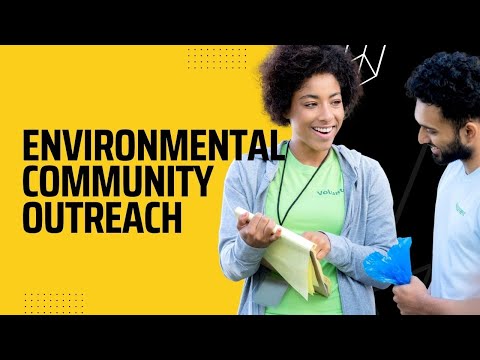
So, picture this: You’re at a barbecue, and someone brings up the weather. Suddenly, it feels like everyone has a take on climate change, right? One friend’s convinced it’s a hoax, while another swears by composting as the secret to saving the planet. It’s wild!
But seriously, isn’t it kind of amazing how passionate we can get about the environment? It’s like we’re all part of this huge conversation we didn’t even know was happening.
Science and outreach are key players in this whole deal. They’re the glue that connects facts to feelings, experts to everyday folks. This movement is all about mobilizing people—getting us off our couches and into action for Mother Earth!
So let’s dig into how science can fire up our passion for protecting our planet—and why we should care about it all. Excited? I know I am!
Unlocking Curiosity: The Critical Role of Science Outreach in Fostering Public Engagement and Education
Curiosity is a powerful driver. It’s that spark that keeps us asking “why?” and “how?” when we look at the world. Science outreach plays a huge role in unlocking that curiosity, especially when it comes to something as critical as the environment. You know, when people get engaged, they become more informed and motivated to act. That’s where science outreach steps in to bridge gaps between complex scientific ideas and everyday life.
One of the key roles of science outreach is making information accessible. This means breaking down complicated topics into bite-sized chunks that anyone can understand. Imagine trying to explain climate change using only scientific jargon; most people would zone out pretty quickly! Instead, using relatable language helps people connect with the issues we’re facing.
These experiences allow folks to touch, feel, and see science in action. For instance, local beach clean-ups not only help remove trash but also show how pollution affects marine life. When you’re knee-deep in sand and meeting like-minded people, it creates a sense of community while stirring up a passion for environmental protection.
Sharing personal stories about environmental impacts can resonate much deeper than data alone. I once attended an event where someone shared their tale about how rising sea levels affected their hometown. Those real-life examples hit home because they’re relatable; they show what’s at stake in a tangible way.
The role of social media can’t be overlooked either. Platforms like Instagram or TikTok have become essential tools for sharing scientific information with younger audiences. Memes or short videos can easily spread awareness about environmental issues trendily. It’s like catching someone’s attention during a quick scroll—it doesn’t get better than that!
Engaging with science encourages questioning and skepticism—the good kind! By fostering an environment where questioning is welcomed, people learn not just what to think but how to think critically about environmental issues.
In essence, science outreach is about building relationships. It fosters trust between scientists and the public by creating open dialogues around complex topics. When you’re having conversations instead of lectures, it becomes easier for everyone involved—people feel valued and are likely to stick around longer.
So yeah, mobilizing the environmental movement needs this kind of engagement—that’s how real change happens! Whether through hands-on activities or compelling narratives, science outreach opens doors for curiosity and action amongst individuals from all walks of life. Basically, when we make science accessible, everybody wins!
Evaluating Current Support for the Environmental Movement: A Scientific Perspective
The environmental movement is like a big wave that’s been building up for decades, and honestly, it’s been tough to gauge just how much support it really has right now. Let’s explore the current landscape together.
First off, public awareness about environmental issues has surged. Thanks to social media, documentaries, and grassroots organizations, people are more aware than ever of problems like climate change and pollution. I mean, remember the time when you saw those heartbreaking images of plastic in the ocean? That stuff sticks with you. It sparks conversations—some heated ones, too!
But here’s the thing: even with all that awareness, translating it into actual support can be tricky. People might care deeply but feel overwhelmed or unsure about how to help. It’s like watching a marathon and cheering from the sidelines instead of running yourself—you want to support but may not know how.
Another point worth mentioning is political backing. In many countries, governments are starting to recognize the importance of environmental policies—look at initiatives aimed at reducing carbon emissions or protecting endangered species. Yet, there’s still a tug-of-war between economic interests and environmental goals. You know those arguments about job losses if we switch away from fossil fuels? It’s a tough balance.
Then we have scientific research, which plays a vital role in this movement. Studies guide policies and inform public opinions by providing facts. Take climate models predicting future scenarios; they’re crucial for understanding what could happen if action isn’t taken soon enough. But don’t get me wrong; science alone isn’t enough—without public engagement, that research might not translate into real action.
Also essential is grassroots activism. Local communities often lead the charge in promoting sustainability initiatives. Just think about community gardens sprouting up or local beach clean-ups; these actions foster community spirit but also show that individuals can make a difference—one small step at a time!
Lastly, let’s not forget about corporate responsibility. There’s been an uptick in businesses adopting sustainable practices due to consumer demand for eco-friendly options. Ever noticed how major brands are now touting their recyclable packaging? Companies are waking up to the idea that being “green” actually resonates with customers.
So overall, while there’s a ton of enthusiasm and progress happening in the environmental movement right now—thanks largely to social media and grassroots efforts—it needs constant nurturing from both individuals and institutions alike to keep growing strong. Relationships matter just as much as knowledge does! And who knows? With each little effort combined, we might just create an enormous impact together!
Mobilizing the Environmental Movement: The Role of Science and Outreach Strategies
The environmental movement is all about protecting our planet, right? But how do we actually get people on board? Seriously, it’s not just about yelling “Save the Earth!” from the rooftops. Mobilizing this movement takes a mix of **science** and **outreach strategies** that can resonate with people from all walks of life.
First off, science plays a huge role. It’s like the backbone of everything we do. Without scientific evidence, it’s tough to convince folks that something needs fixing. Research helps explain why climate change is happening or why pollution is bad for our health. The more we understand these complex issues, the better we can communicate them to others.
Then there’s outreach. This is where things get exciting! Outreach strategies are all about connecting with people and making them feel invested in environmental issues. Think social media campaigns, community events, or even school programs that engage students in hands-on activities. For example:
- Local clean-up days: These get communities together for a cause while fostering a sense of pride in their environment.
- Workshops: Teaching skills like recycling or sustainable gardening empowers individuals to make changes at home.
- Virtual challenges: Engaging online can inspire competition and motivate people to act sustainably.
But here’s the kicker: it all starts with making science relatable. If you tell someone how carbon emissions are rising without explaining why they should care, it’s like talking to a wall! So using personal stories or anecdotes can be really powerful. Like when I heard about a family who started composting after learning how much food waste ends up in landfills—it just clicked for them! They felt they could make a difference.
Collaboration also matters big time! Scientists need to partner with activists, educators, and local leaders who understand their communities. This way, solutions can be tailored specifically for different groups instead of applying a one-size-fits-all approach. When messaging is consistent across these platforms and voices are amplified collectively, it makes an impact.
Finally, don’t underestimate the power of emotional appeal. Science provides facts and figures—sure—but if you want people emotionally connected to an issue, you’ve got to spark some feelings! Whether that’s fear over climate impacts or joy from seeing nature preserved, harnessing emotion can inspire deeper commitment.
So yeah, mobilizing the environmental movement isn’t just about sharing data or hosting events; it’s about creating meaningful connections through science and outreach. By working together and being relatable—as well as passionate—we can really move mountains… or at least help save them!
You know, when you think about science, often what pops into your head are lab coats, test tubes, and maybe even some crazy experiments. But there’s this whole other side to it: outreach. It’s like the bridge that connects scientists with everyday people. This connection is super crucial, especially when it comes to environmental issues.
I remember a time back in college when my professor took us on a field trip to a local river that was heavily polluted. You could actually see the trash floating around, and it hit me hard. We learned about ecosystems right there—like how everything is connected. It was shocking but also motivating. That experience made me realize that science can’t just live in academic papers; it needs to reach out and speak to people about pressing issues like climate change or habitat loss.
Now, outreach tries to mobilize folks by translating complex scientific stuff into something relatable and actionable. Think about it: if you’re trying to convince someone why recycling matters or how pollution harms their community, throwing out complicated jargon isn’t gonna help anyone! Instead, sharing stories—like how one small action can ripple through the environment—can spark change.
And not just through face-to-face interactions; technology plays a huge role now too! Social media platforms are buzzing with environmentalists sharing knowledge and creating awareness on issues that matter right now. It’s really inspiring because you can see regular people getting involved—and they’re not waiting for someone in a suit to make changes for them anymore.
But let’s be honest—it isn’t easy. There can be resistance from various sides. Sometimes people don’t want to hear bad news about the planet or feel overwhelmed by the problems we face. So here’s where scientists who engage in outreach need creativity as much as their scientific acumen! Using art, storytelling, or even humor can break down these barriers—it’s all about making connections!
The thing is every little effort counts; whether it’s starting a community garden or participating in cleanup drives—these grassroots movements are vital in mobilizing larger action against environmental degradation. We’ve seen communities come together recently more than ever before—a sign that collective awareness is growing.
Science and outreach together act like catalysts in this movement; they inform us and inspire us at the same time… like passion meeting facts! And if we continue nurturing this bond between science and everyday conversations about our environment? Well, we might just have a shot at creating better solutions for future generations! Isn’t that something worth striving for?