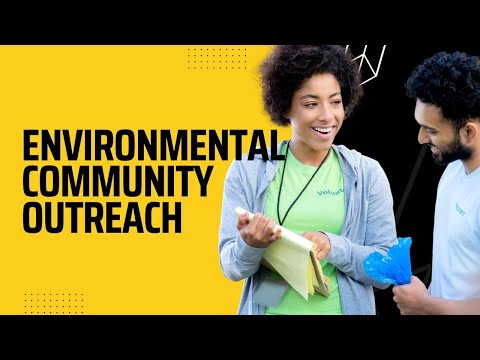
You know what’s wild? The fact that some people actually think nature doesn’t have rights. Like, can you imagine if trees could sue us for cutting them down? Picture a bunch of oaks in court, rockin’ tiny little judge gowns and giving their best solemn looks. It sounds absurd, but the truth is, it’s not so far-fetched.
Everyone loves a good nature walk—smelling flowers, feeling that cool breeze, or hearing birds chirp. But what if I told you that we can go beyond just enjoying these moments? We can actually push for environmental rights and make a real change!
Seriously, promoting environmental rights isn’t just about hugging trees or being eco-conscious; it’s about understanding how science can help us fight for Mother Earth. So let’s chat about how scientific outreach can play a key role in this mission!
Enhancing Environmental Rights: A Summary of Scientific Outreach Initiatives and Their Impact
Environmental rights have been gaining traction, and it’s pretty fascinating how science communication is helping raise awareness about them. The idea is simple: people need to know their rights when it comes to the environment. You know, it’s about having a clean planet and a healthy community.
One of the key elements in this movement is scientific outreach, which involves sharing scientific knowledge with communities in a way that’s accessible and engaging. Think of it like translating complex science into everyday language. The goal here is not just about facts but also inspiring action.
- Workshops and Community Events: Many organizations hold workshops where scientists explain environmental issues, such as climate change or pollution, in relatable terms. For example, at a local park cleanup event, scientists can show how certain actions affect ecosystems.
- Social Media Campaigns: Platforms like Instagram or Twitter are being used to share bite-sized info about environmental rights. Eye-catching graphics can make statistics memorable and encourage people to share them with friends.
- Educational Programs in Schools: Science education is evolving! Schools are incorporating environmental rights into their curriculum. When kids learn about sustainability early on, they tend to advocate for their environment more passionately as they grow up.
- Collaborations Between Scientists and Activists: Sometimes you see scientists teaming up with community leaders or activists to amplify their message. This collaboration blends expertise with local knowledge, making the outreach even more powerful.
You might be wondering if these initiatives actually make a difference. Well, yeah! There’s evidence showing that when people understand their environmental rights better, they’re more likely to get involved in advocacy or push for policy changes.
I remember attending a community meeting once where a young activist shared her story of how she organized her friends for beach cleanups after learning about marine pollution from a local scientist. Her enthusiasm was contagious! It was clear that getting the right information opened doors for her and her peers—it made them realize they could actually make an impact.
This isn’t just fluff; there are concrete examples out there showing these connections between education and action lead to changes in policies or community practices. Just imagine communities banding together because they feel empowered by knowledge! That’s what scientific outreach aims for—making sure everyone understands what’s at stake in terms of environmental rights so they can fight for them.
The ripple effect from these initiatives can be huge. As more people get informed and inspired through outreach programs, we could see real strides toward protecting our planet’s resources—this includes clean air, water access, and biodiversity conservation.
You see? Connecting science with communities helps demystify complicated topics and ultimately fosters a culture where environmental rights are respected and upheld by everyone involved!
Advancing Environmental Rights: The Role of Scientific Outreach in Advocacy and Education
Environmental rights are a big deal these days, and it’s not just about keeping the planet safe for future generations. It’s all about giving people a voice regarding their relationship with nature. You see, when communities stand up for their right to clean air, water, and a healthy environment, they become part of this larger movement. A huge part of making that happen is through scientific outreach.
Now, what is scientific outreach? Well, it’s basically the process of sharing science-related knowledge with the public in a way that’s easy to understand. You want to make complex ideas accessible so everyone can grasp them. Think school science fairs or local workshops—places where scientists break down research in everyday language.
- Building Awareness: Outreach programs shine a light on environmental issues like pollution or climate change. When communities understand what’s at stake, they’re more likely to speak out.
- Education: Schools and community centers can host talks or activities led by scientists. Imagine kids learning why recycling matters from an enthusiastic expert—totally inspiring!
- Mobilizing Communities: When people feel educated about their environment, they often become advocates themselves. Outreach helps build those connections between individuals and larger movements.
The thing is, it’s not enough just to give people information; it’s also about sparking passion and action. I remember when my friend took her kids to a local nature reserve for an educational event. They learned all about native plants and how invasive species can mess things up for local wildlife. The kids were hooked! Inspired by this fun day out, they even started planting native flowers in their yard to help pollinators. That kind of enthusiasm is what we need!
You might think outreach is just a bonus, but it plays a crucial role in advocacy too. For instance, local groups that focus on environmental justice often rely on scientifically-backed information when thinking about new policies or challenging existing ones. It provides them the tools they need to argue their case effectively.
- Scientific Data: Having accurate data helps support claims—for example, showing how air quality affects health outcomes in specific communities.
- Broadening Perspectives: Outreach shows different angles of environmental issues—like how climate change disproportionately impacts marginalized communities.
- Building Coalitions: Different local organizations can come together around common scientific interests to strengthen advocacy efforts.
You know what? When organizations partner with scientists and educators for outreach efforts, they’re creating this amazing synergy that fuels long-term change! Public campaigns can turn into grassroots movements when the community feels empowered with knowledge.
This isn’t just some abstract notion—scientific outreach has been pivotal in past victories too! Just think of major environmental policies that came into play after communities rallied around well-researched facts and figures that highlighted pressing issues.
The bottom line here? Advancing environmental rights through scientific outreach gives people the tools they need to advocate for themselves and hold others accountable. And let me tell you: every little bit helps when it comes to protecting our planet while ensuring everyone has access to its beauty and resources! So keep talking about these issues; the more informed we are as a society, the stronger our collective voice becomes!
Advancing Environmental Rights: The Role of Scientific Outreach in 2022
Sure thing! Let’s break down how scientific outreach really plays a part in advancing environmental rights, especially when we look at events from 2022.
Understanding Environmental Rights
First off, what are environmental rights? Well, these are basically the rights people have to live in a healthy environment. That means clean air, water, and a stable climate. It’s about recognizing that a healthy environment is essential for our well-being. Without it, life just gets way harder.
The Power of Scientific Outreach
Now, here’s where scientific outreach comes in. It’s all about bridging the gap between science and the general public. Scientists come up with cool findings about our planet and its challenges! But if that information just sits in journals and fancy reports, who’s going to do anything with it? That’s why outreach is vital.
Informing Communities
Through workshops or community events, scientists can share their findings directly with people who need to know them most. For example:
- Local Workshops: Think of local farmers learning about sustainable practices to reduce pollution.
- School Programs: Kids may engage in activities like planting trees or cleaning rivers while learning how their actions affect their community.
Letting communities know what’s happening around them empowers them to advocate for their environmental rights.
Pushing for Policy Change
Another cool aspect? Outreach helps push for policy change. When citizens are informed and engaged, they can hold governments accountable. For instance:
- Civic Engagement: Groups can organize rallies or write petitions after understanding the science behind climate change effects on their neighborhood.
- This Can Lead to Legislation: Like laws aimed at reducing carbon emissions once communities rally together for cleaner air.
When people unite around solid scientific info, that’s when real change can happen!
The Role of Technology
In 2022, technology really took center stage in outreach efforts. Social media platforms became essential tools for spreading knowledge quickly. You could see scientists tweeting about new research, posting videos explaining complex issues simply! It was like handing out virtual flyers but way cooler!
The Challenge of Misinformation
But here’s the kicker: misinformation is everywhere! With all this info flying around online, it’s tough to sift through what’s true and what’s not. That’s where science communicators shine—they help clarify facts versus myths.
- Your Neighbor’s Claims: Maybe they read something online claiming recycling doesn’t work—but then scientists step up to explain how recycling reduces waste effectively.
- The Importance of Critical Thinking: Outreach programs now focus on teaching people how to evaluate sources so they don’t get duped by fake news.
It’s all part of empowering individuals!
Main Takeaway
So basically, advancing environmental rights relies heavily on scientific outreach. By making science accessible and understandable:
- You build informed communities.
- You promote active participation in environmental decisions.
- You pave the way for collaborative solutions addressing local issues.
The more we understand our environment and its challenges through outreach efforts, the better we can fight for our rights—and the planet’s health too! Every little action counts; you know? The future depends on you and me stepping up together!
You know, when I think about environmental rights, it really hits home. I remember a camping trip I took with friends in a national park. We were all sitting by the campfire, roasting marshmallows and laughing, but as I looked around, it dawned on me how fragile that ecosystem was. It made me realize that protecting the environment isn’t just about nature; it’s about our rights too—our right to clean air, safe water, and a healthy planet.
Promoting environmental rights through scientific outreach feels important because it connects people to the world around them. Imagine standing in a beautiful forest and understanding how every tree plays its role in keeping our air fresh and our climate stable. It’s like magic when you realize that everything is interconnected! When you share this kind of knowledge with others, they start to care more. It’s not just science; it becomes personal.
But here’s the thing: scientific outreach often feels like it’s stuck in an ivory tower—super serious, all jargon-y. The beauty of breaking down complex topics into something relatable is huge! For example, explaining climate change doesn’t have to be doom and gloom. You can talk about how warmer temperatures mean fewer snow days and more time for swimming pools—less fun for snowmen but way more beach vibes!
Also, sharing stories from communities fighting for their environmental rights can really stir emotions. Like those Indigenous groups fighting against illegal logging or oil spills; their stories are full of resilience and hope! When people resonate with these narratives, they’re more likely to engage actively in advocacy efforts.
So yeah, blending science with storytelling can empower individuals. It illuminates why environmental rights are essential and gives everyone a voice in this big conversation. After all, if we can all see ourselves as stewards of the environment instead of distant observers, we might just inspire a collective movement toward change.
In the end, pushing for environmental rights through scientific outreach isn’t just about facts—it’s about feelings too! That connection could be what transforms passive observers into active participants committed to preserving our planet for future generations. What an exciting thought!