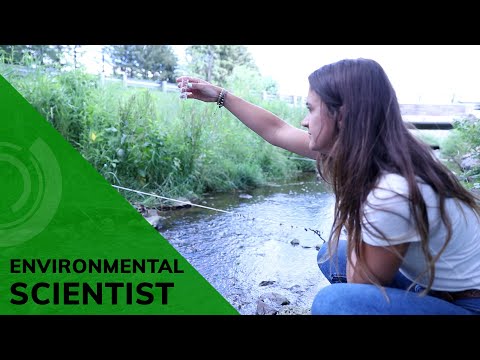
You know what’s wild? When I was a kid, I thought being a scientist meant wearing a lab coat and mixing bubbling potions all day. But now? Science is everywhere, even outside the lab, in our parks, oceans, and air.
And guess what? Environmental studies are becoming the coolest thing ever! Seriously, these programs are popping up like popcorn at a movie. They’re all about saving our planet and figuring out how we can live in harmony with nature.
Imagine taking classes that let you explore rainforests one day and analyze ocean waters the next. Sounds like an epic adventure, right? The future of science isn’t just about degrees anymore; it’s about hands-on experiences that actually make a difference.
So, let’s take a peek at some of these innovative environmental studies programs that are shaping tomorrow’s scientists and how they’re sparking excitement for tackling real-world problems. It’s going to be fun!
Explore Innovative Online Environmental Studies Programs for the Next Generation of Scientists
Environmental studies are like the superhero cape for the next generation of scientists. So, what’s the deal with these innovative online programs? Well, they’re designed to equip you with the knowledge and skills necessary to tackle some serious planet-saving challenges. And it’s all happening right from your screen!
Flexibility is Key
First off, one of the coolest things about online programs is their flexibility. You can study from anywhere, which is super helpful if you’re juggling other commitments. Wanna learn about climate change while sipping coffee on your porch? Go for it!
Interdisciplinary Approach
These programs often take an interdisciplinary approach. This means they mix various fields like biology, chemistry, policy studies, and even social sciences to give you a comprehensive understanding. For instance, you might learn how environmental policy affects local ecosystems or how chemistry plays a role in pollution.
Hands-On Learning
Even though it’s online, many courses incorporate hands-on learning experiences. You could find yourself analyzing real data sets or participating in virtual labs that mimic fieldwork. It makes you feel like you’re really in there with the plants and critters—almost like being a digital David Attenborough!
Collaboration Opportunities
Collaboration is another cool aspect. You get to work on projects with students from different corners of the world. This enriches your perspective since you’ll be dealing with diverse environmental issues—like how urbanization impacts habitats in various cultural contexts.
Tech-Driven Education
Innovative online programs also leverage technology to make learning more engaging. Think interactive simulations or AI-driven assessments that adapt to your learning pace. Plus, there are always resources like webinars featuring experts who dive into current environmental crises and solutions.
A Focus on Real-World Issues
Most importantly, these programs keep it real by focusing on pressing environmental issues—like climate crisis management or sustainable development practices. Imagine studying how renewable energy sources can disrupt traditional energy markets while still sipping tea!
In summary, investing your time in an innovative online environmental studies program might just set you up as part of the next wave of scientists making a significant impact. Whether it’s through enhancing ecological literacy or driving policies for greener cities—you could play a role in shaping our future!
So you see? This isn’t just about hitting the books; it’s about gearing up for action and making this planet a better place for everyone—just like superheroes do!
Top Innovative Environmental Studies Programs Shaping Future Scientists
Environmental studies have become super essential in today’s world. It’s not just about understanding nature; it’s about tackling climate change, pollution, and sustainable practices. So, how do we prepare future scientists for these challenges? Well, through innovative programs that combine education with hands-on experience. Let’s check out some cool aspects of these programs that are making waves.
Interdisciplinary Approach: One of the best things about these programs is how they blend various fields. You’ve got biology, chemistry, sociology, and even economics all working together. This holistic view helps students grasp how complex environmental issues really are. It’s not just about nature; it’s about society too!
Real-World Applications: Many schools now focus on projects that directly impact their communities. For instance, students might work on local conservation projects or analyze the pollution levels in nearby rivers. This hands-on experience is invaluable because it connects classroom theories with real-life consequences. Plus, it often gets students involved with local organizations to tackle specific issues.
Technology Integration: Tech plays a massive role in modern environmental studies. Think remote sensing tools or GIS (Geographic Information Systems) that help analyze environmental data spatially. Imagine using drones to monitor deforestation or satellite images to track climate changes! These technologies give students updated skills that are super relevant in the job market.
Field Work and Internships: There’s something incredible about getting your hands dirty—literally! Programs that incorporate fieldwork let students work outside in various ecosystems. Whether researching wetlands or studying urban sustainability projects, this fieldwork deepens understanding and makes lessons stick better than any textbook could.
Global Perspectives: The world is interconnected, right? So future scientists need a global mindset to tackle issues like climate change. Some programs offer study abroad opportunities where students can learn from different cultures and ecosystems. Imagine studying tropical rainforests in Costa Rica one semester and then heading to Arctic regions the next!
Sustainability Projects: Many institutions encourage innovative sustainability initiatives on campus too! It could be anything from setting up solar panels to implementing waste reduction campaigns. Students not only learn about sustainability but also get to see it in action.
This mix of experiences helps shape well-rounded scientists ready to face tomorrow’s challenges head-on. By blending knowledge with practical skills and global awareness, these innovative programs really prepare students for whatever comes their way.
So yeah, if you’re considering a path in environmental studies—or you know someone who is—these types of programs are paving the way for future innovators who can make a difference!
Top Undergraduate Environmental Studies Programs for Aspiring Scientists
So, you’re curious about environmental studies programs, huh? That’s awesome! There’s so much happening in the field, and aspiring scientists have a ton of cool options to explore. Let’s break it down a bit.
First off, what’s environmental studies all about? Well, it combines natural sciences, social sciences, and even some policy-making to understand our planet better. It’s like having a Swiss army knife in the world of academia—super versatile!
When looking at undergrad programs, you’ll want to find ones that focus not just on theory but also on hands-on experience. Here are some key aspects you should keep an eye out for:
- Interdisciplinary Approach: Schools that blend biology, chemistry, sociology, and geography give you a well-rounded education.
- Fieldwork Opportunities: Programs that include internships or research projects help you get real-world experience. Imagine studying local ecosystems or working with communities!
- Cutting-Edge Research: Look for schools that are involved in innovative research. Some places focus on climate change mitigation while others might dive into renewable energies.
- Strong Faculty: Having professors who are active in the field means you’ll likely learn from people who really know their stuff.
Now let me share a little story. I once met a student who worked on a project analyzing waste management practices in his community. He found ways to reduce landfill waste and even got his town involved in recycling initiatives. How cool is that? Programs with practical applications like this make all the difference.
So where can you find these stellar programs? Here are some examples:
- University of California – Berkeley: Their program is famous for its research output and interdisciplinary curriculum.
- Duke University: They emphasize fieldwork and offer courses that cover everything from conservation biology to environmental law.
- University of Michigan: Known for its sustainability initiatives and extensive research partnerships.
But remember, while rankings can be enticing, think about what matters most to you personally. Maybe it’s the location or specific faculty members whose work inspires you.
Lastly, keep an open mind! Environmental issues evolve constantly. Whether it be biodiversity loss or climate change impacts on coastal cities, the challenges ahead are big—and learning continuously will be crucial.
So there you have it! An overview of what to look for when checking out environmental studies programs as an aspiring scientist. Aim for experiences that excite your curiosity and fuel your passion for our planet!
You know, thinking about the future of environmental studies really gets me excited. It’s like, we’re living in a world where the challenges seem overwhelming sometimes—climate change, pollution, habitat loss—you name it. But then I see these innovative programs popping up in universities and schools that are changing the game for aspiring scientists!
I remember back when I was in school. There was this little project we did about recycling but honestly, it was nothing compared to what these future students are doing now. They’re out there constructing solar panels from scratch or using drones to monitor wildlife. Can you believe that? It’s kinda like they’re mixing tech with nature in ways that I never thought possible.
You might notice that a lot of these programs emphasize hands-on experiences too! Like working in the field or collaborating with local communities. That kind of stuff is essential because it builds not just knowledge but empathy and understanding about how interconnected everything is. You know what they say—if you throw a rock into a pond, it creates ripples! And that’s true for our actions towards the environment.
But here’s something cool: many of these programs are also integrating social sciences with environmental studies. So it’s not just about data and charts; they look at how people interact with their surroundings, what motivates their choices, and how culture plays into environmental action. It’s this holistic approach that really sets things apart!
And let’s be real: We need passionate scientists who can think outside the box and tackle these pressing issues creatively. So many of us worry about the state of our planet every day, and rightly so! But seeing young minds equipped with innovative skills gives me hope that they can shape policies and practices to lead us toward a better tomorrow.
In sum, when I think about innovative environmental studies programs today, I feel a mix of nostalgia for my own learning days and excitement for what lies ahead. These students are not just future scientists; they’re future changemakers ready to take on challenges with fresh perspectives—now that’s worth smiling about!