You know what’s funny? I once convinced my friends to join me in picking up trash at the beach. I mean, who knew picking up litter could turn into a full-on scavenger hunt? We ended up finding weird stuff like an old flip-flop and a fishing net! Seriously, though, it felt good to clean up while goofing around.
So, volunteering in environmental science isn’t just about being responsible or saving the planet. It’s also about getting your hands dirty and maybe even bonding with your buddies over some unexpected finds.
Imagine swapping stories while planting trees or counting bird species. Pretty cool, right? You’re not just helping out; you’re also part of something bigger. You get to hang out with nature and meet people who care about the same stuff you do!
Join Local Environmental Science Volunteering Opportunities to Strengthen Community Engagement
When you think about environmental science volunteering, it’s like hitting two birds with one stone. You’re not only helping the planet but also getting to know your community better. It’s a win-win, really!
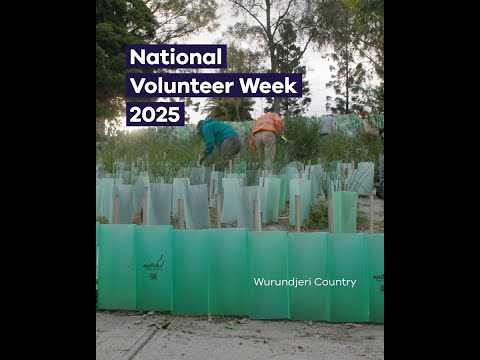
Joining local environmental projects can take many forms. You might find yourself participating in things like beach clean-ups, tree planting events, or even wildlife conservation efforts. It’s a great way to get outdoors, breathe some fresh air, and connect with others who care about the environment. Seriously, there’s something invigorating about working side by side with folks who share your passion.
So why does volunteering matter? Well, here are a few points to consider:
- Community Connections: Engaging in local projects helps build bonds within your neighborhood. You meet diverse people—students, families, and even retirees—all working towards the same goal.
- Your Voice Matters: When you get involved, you can influence decisions that impact the environment right around you. Local leaders notice committed volunteers.
- Learning Experience: Volunteering lets you learn practical skills and gain knowledge about local ecosystems and environmental issues. The more you know, the better advocate you become!
A while back, I joined a group that was monitoring water quality in a nearby river. At first, I thought it was just going to be boring work—who wants to test water samples? But let me tell you, it was eye-opening! We discovered how pollution affected local fish populations and discussed solutions together as a team. Plus, bonding over shared experiences made it super fun!
You might also want to check out some organizations offering these opportunities. Many community centers or environmental groups run programs regularly—just ask around! Sometimes they even have social events after workdays; that’s where friendships blossom.
If you’re not sure where to start volunteering in environmental science, look up resources online or on social media platforms where local events are often advertised. Don’t hesitate; just jump in! Who knows? You could end up discovering interests or career paths you never considered before.
In summary: getting involved in environmental science volunteering is an awesome way to make new friends while making a difference in your community and beyond! So grab those gloves and get ready for some fun and fulfillment!
Explore Local Environmental Volunteer Opportunities in Science: Make a Difference Today
You might not realize it, but volunteering for environmental science can be super rewarding and, like, really impactful. Engaging with your community while helping the planet? That’s a win-win if you ask me. Plus, there are some cool ways to get involved right in your own backyard. Let’s break it down a bit.
Why Volunteer?
Volunteering in environmental science gives you a chance to connect with nature and your community. It’s like the perfect mix of fun and purpose. Remember that time you went hiking and just felt alive? Imagine doing that while contributing to something bigger, like protecting local wildlife or cleaning up rivers.
Now, let’s talk about some of those opportunities out there.
- Community Clean-ups: Local organizations often organize clean-up events at parks, beaches, or along rivers. You roll up your sleeves with neighbors to tidy up and make those spots shine.
- Wildlife Monitoring: This involves helping scientists track animal populations or plant health in your area. You might spot birds or help count butterflies—pretty sweet ways to feel connected to nature!
- Environmental Education: If you enjoy teaching, look for opportunities at schools or community centers where you can share info on ecology or conservation efforts.
- Citizen Science Projects: These projects let everyday people collect data for research—like observing weather patterns or reporting on local flora and fauna.
You might find joy in connecting with others who share your passion—and it never hurts to learn something new! Friends I know have met inspiring people through these initiatives and have even formed lasting friendships.
How Do You Get Started?
Honestly, finding these opportunities isn’t too hard. Start by checking out local non-profits focused on the environment; they usually have volunteer sections on their websites. Also look into social media groups dedicated to local conservation efforts or community bulletin boards—great places for spotting announcements about upcoming events.
Remember that small actions can lead to big changes! Even participating occasionally can contribute significantly over time. So next time an event pops up—or even if you’ve never thought about getting involved—why not give it a shot?
If you’re wondering whether you’ll make a difference: absolutely! Every little bit helps when we’re talking about caring for our planet together, one volunteer at a time. The more folks we get involved, the greater potential we have to impact our shared environments positively.
So go ahead and explore those local environmental volunteer opportunities—you could change lives (and maybe even yours) while having a blast outdoors!
Empowering High School Students: Explore Environmental Volunteer Opportunities in Science
When you think about the environment, it’s easy to feel a bit overwhelmed. Climate change, pollution, and deforestation can seem like these huge mountains we just can’t climb. But here’s the thing: you can actually make a difference! And high school students have an amazing chance to get involved through environmental volunteer opportunities. It’s not just about doing good; it’s about learning and growing while making an impact.
First off, let’s talk about what environmental volunteering really means. Basically, it involves helping with projects that aim to protect or improve our natural surroundings. This ranges from cleaning up parks and rivers to planting trees or monitoring wildlife populations. You might even end up working on scientific research projects! How cool is that?
But here’s where it gets interesting: volunteering in this space doesn’t just help the planet; it helps you too. Think back to when you were younger, maybe going on field trips where you got your hands dirty in the soil or watched birds fly by during a nature walk. Those experiences stick with you, right? It’s about feeling connected. When you volunteer, that connection grows even stronger.
Now let’s highlight some specific areas where students can jump in:
- Community Cleanups: Many local organizations organize cleanups at parks and beaches. It feels great to pick up trash and see immediate results!
- Tree Planting Events: Trees are vital for our planet; they give us oxygen and shade. Participating in tree planting is like giving a gift back to nature.
- Wildlife Monitoring: Some groups need volunteers to monitor local wildlife populations. You might get to see animals up close and learn more about their habitats.
- Environmental Education: Helping teach younger kids about the environment can be super rewarding. You could lead nature walks or create fun activities!
You might be wondering how exactly to find these opportunities. That’s totally understandable! Schools often have community service days or clubs focused on environmental issues. Plus, websites like VolunteerMatch.org or your local parks department usually list projects needing help.
And here’s something really special: when you’re volunteering with peers who care about the same issues, it creates a sense of community that feels empowering! Remember that time you worked on a group project? Imagine doing that but for something bigger than grades—like saving turtles or restoring an ecosystem!
Also, don’t forget—the skills you gain from volunteering are pretty valuable as well! You learn teamwork, leadership, and even some science-related skills along the way. Who knows? Maybe you’ll discover a passion for marine biology while helping out at a beach cleanup!
So basically, being an environmental volunteer isn’t just about giving back; it transforms your perspective on nature and science too. If there’s one takeaway, it’s that every small effort counts! And if we all chip in together? We can really change things for the better.
So go ahead! Grab some friends and start exploring those opportunities today—your community (and planet) will thank you for it!
You know, thinking about environmental science and volunteering always takes me back to that one time I joined a beach cleanup with some friends. The sun was shining, and we were all excited to do something good for our planet. I mean, who doesn’t love a day at the beach? But as we picked up trash, I couldn’t help but notice how much junk was strewn about. It made me realize how disconnected we can be from nature.
Volunteering in environmental science is like bridging that gap between people and the planet. When you step outside your usual routine to get involved in something bigger than yourself, it’s eye-opening. You get to learn about ecosystems, local wildlife, and the impacts of pollution just by being part of the action. And let’s be real; you never know what cool creature or fascinating plant you might discover while getting your hands dirty.
Engaging communities through this kind of volunteering can spark a shift in mindset. It starts conversations that matter—like what we can do together to combat climate change or preserve local habitats. People realize they’re not just individuals living on this planet; they’re part of a community with a shared responsibility for its health. That sense of teamwork is electric!
And there’s something really heartwarming about seeing folks from different backgrounds come together for a common cause. Maybe it’s a group of school kids learning how to plant native species, or retirees sharing stories while building community gardens—it brings people closer somehow, doesn’t it?
Honestly, when you volunteer in environmental science, it often feels like planting seeds—not just in the soil but in people’s minds too. They start looking at their surroundings differently. They become more aware of their choices; whether it’s reducing plastic use or supporting local conservation efforts.
So yeah, engaging communities through environmental volunteering isn’t just about picking up trash or planting trees (even if that’s super important!). It’s about creating connections and fostering a sense of stewardship for our planet—a future where everyone feels they have a role in protecting what we love most: our Earth!