So, the other day, I was watching this documentary about climate change. It showed how polar bears are losing ice to stand on. Heartbreaking, right? But then it got me thinking about something wild—feedback loops.
You probably don’t think about them every day, but they’re like nature’s little gremlins that can either help things get better or make everything go haywire. It’s a bit like when you start eating junk food and suddenly can’t stop snacking; one thing leads to another.
In the big picture, feedback loops in environmental science are super important. They affect everything from our weather patterns to biodiversity—and yeah, even those adorable polar bears! So let’s dig into this whole concept and see why it matters more than we might realize!
Understanding Feedback Loops in Science: Importance and Implications for Research and Innovation
Feedback loops in science are like those little stories that never seem to end. They keep going and going because what happens in one part of the system affects another part, creating this ongoing cycle. It’s kind of like when you get a new plant for your home. You water it, and it grows; but then, if you overwater it, the roots might rot, which is not so great for your plant. So, understanding these loops can make a big difference in how we approach problems, especially in environmental science.
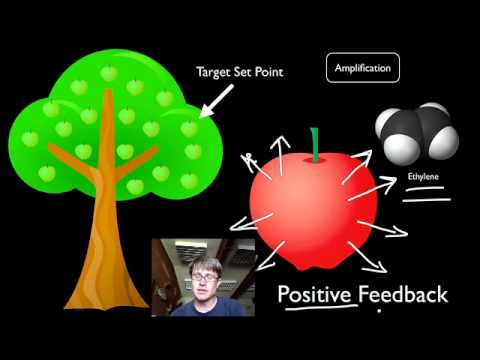
So, what exactly are feedback loops? Well, they’re processes where the output of a system influences its input in some way. There are two main types: positive feedback and negative feedback. In positive feedback loops, a change results in more change—think of it as amplifying effects. On the flip side, negative feedback loops work to stabilize a system by counteracting changes.
Take climate change as an example. When ice melts due to rising temperatures (that’s one impact of climate change), less ice means less sunlight is reflected back into space—leading to even more heat absorption by the ocean! This is a classic case of a positive feedback loop. It’s really alarming because it accelerates warming.
In contrast, let’s talk about negative feedback. Imagine you’re getting too hot outside; your body sweats to cool down and bring everything back to balance. In nature, plants absorbing CO2 from the atmosphere can help mitigate climate change—a nice stabilizing effect on greenhouse gases.
Now let’s consider why feedback loops are so important. First off, they help scientists predict outcomes more accurately. If researchers understand how certain factors interact within an ecosystem or a climate model, they can better forecast what might happen next. For example:
- The rapid increase in carbon emissions leads to higher temperatures.
- This encourages forest growth as vegetation thrives on warmth.
- The trees absorb CO2 but may be limited by water supply.
The implications here? If we know how these systems react with each other over time through such loops, we can innovate solutions for sustainability.
Moreover, understanding these loops isn’t just academic—it impacts innovation too! Think about renewable energy sources like solar panels or wind turbines—they don’t just generate energy; they potentially decrease reliance on fossil fuels over time if implemented well enough! Seeing those cycles at play helps engineers make better designs or policies that fit into larger environmental systems.
And let’s not overlook human activity’s role here! Because society is at the center of many feedback mechanisms—like waste generation leading to pollution—the choices we make have cascading effects everywhere else. That means public policies aimed at decreasing plastic use could prompt positive environmental outcomes down the line.
So yeah, when you’re out there doing your bit for the planet—whether you’re recycling or supporting green energy—you should remember that you’re participating in these feedback systems too! It all connects back together in ways that can promote innovation or create hurdles if we’re not careful.
In summary? Feedback loops are essential mechanisms that show how interconnected our world is. Understanding them gives us insights into predicting future conditions and innovating effective solutions that could pivot us toward a healthier planet for everyone involved.
Understanding the Importance of Feedback Loops in Scientific Interactions Between Spheres
You know, feedback loops in science are like those interconnected puzzles where each piece influences the others. It’s all about reactions and responses. In environmental science, these loops are super significant because they help us understand how different systems interact.
Feedback loops can be classified mainly into two types: positive and negative. In a positive feedback loop, an initial change leads to further changes in the same direction. Think of it as a snowball effect—once it starts rolling, it just gets bigger and bigger!
- A classic example is climate change. As temperatures rise, ice caps melt, reducing the Earth’s albedo (which is just a fancy way of saying how much sunlight is reflected). With less ice, more sunlight gets absorbed by oceans, causing even more warming. It’s like that friend who keeps talking louder until everyone at the party can’t help but notice!
- On the flip side, we have negative feedback loops which work to stabilize a system. A good example here is how forests regulate temperature and moisture levels. When temperatures rise, more water evaporates from leaves. This can lead to increased cloud cover that cools down the area—kind of like finding shade on a hot day.
These loops are not just for show; they’re vital for managing our planet’s health. They help scientists predict changes and provide valuable insights into how we can mitigate environmental issues.
To really grasp their importance, consider this: without understanding these feedback mechanisms, we might make decisions that unintentionally worsen situations—like cutting down too many trees without realizing it could lead to more flooding due to disrupted rainfall patterns.
So yeah, when you look at everything happening around us—the ecosystems, climate patterns—you can see that feedback loops are essential players in this complex game of life on Earth. They’re the invisible threads weaving together various natural processes, making everything tick like clockwork.
If you’re curious about something specific or want to know how this all plays out in real-life scenarios—just shout! There’s so much more to explore!
Understanding Feedback Loops in Environmental Science: Their Significance and Implications (PDF Download)
Feedback loops in environmental science are pretty fascinating. They’re basically chains of events where a change in one part of a system causes reactions that can either enhance or diminish that change. It’s like when you tell your friend about a new show you’re watching, and then they start obsessing over it too. The more they rave about it, the more you want to watch it again, right? That’s a feedback loop in action!
So let’s get into the nitty-gritty. There are two types of feedback loops: **positive** and **negative**.
- Positive feedback loops amplify changes. Think about climate change and ice melting. When ice melts, it exposes darker ocean water or land underneath, which absorbs more heat from the sun. This leads to even more melting. It’s like turning up the volume on your favorite song—you just can’t help yourself.
- Negative feedback loops do the opposite; they tend to stabilize systems. For example, if temperatures rise, more plants might grow since warmer weather can lead to faster growth. These plants could then absorb more CO2 from the air, helping cool things down again. It’s like taking a step back after getting too excited—you balance out your emotions.
You might be thinking: why does this matter? Well, understanding these loops is crucial for predicting how ecosystems respond to changes—like climate variation or pollution. Imagine if scientists could say for sure how much warmer it’ll get if we don’t change our habits! They could warn us before our planet dances too close to danger.
But here’s something really cool: feedback loops aren’t just found in big systems; they’re everywhere! Your body has them too! When you get cold, your body shivers to warm up—that’s a negative feedback loop keeping you stable.
Here’s where things get serious: human activities often disrupt these natural feedback mechanisms. For instance, deforestation can remove trees that help regulate CO2 levels—leading to stronger positive feedback effects as temperatures rise even faster than before.
In summary, understanding feedback loops gives us essential insights into how environmental systems work—and how we might tip them toward disaster or harmony depending on our choices today. The thing is, every little action counts! So next time you think about recycling or using less plastic, remember you’re part of this balancing act too!
You know, feedback loops are like those little moments in life where something you do comes back to you in unexpected ways. In environmental science, they play a massive role. Imagine you’re at the beach, feeling the sun on your skin. You put on sunscreen because it’s super hot outside, but then you notice how the sunscreen washes off every time you take a dip in the ocean. That’s kind of like what feedback loops do—they show us how interconnected things are.
So, let’s break it down a bit. A feedback loop happens when a change in one part of a system affects another part of that system, which can either amplify or dampen the original change. It sounds complex, but think of it as a conversation between different elements—like plants, animals, and even humans.
For instance, consider climate change. When temperatures rise due to greenhouse gas emissions, polar ice melts and exposes darker ocean water underneath. This darker water absorbs more heat instead of reflecting it back into space—pretty wild! So now we have this loop where warming leads to more warming…you see where I’m going here? It just keeps spiraling.
What really hits home is how these loops affect ecosystems and communities. I remember visiting my grandmother’s farm as a kid. She had this amazing garden that thrived because she always composted her scraps from the kitchen and used natural pest control methods. But if she ever got busy and didn’t keep up with those practices? We’d end up with bugs everywhere and poor soil quality! That little feedback loop was crucial for keeping her garden vibrant.
In environmental science, understanding these loops can help us predict what might happen next in our world—kind of like peeking into a crystal ball! By grasping how changes bounce around within ecosystems, scientists can help us make better decisions about conservation efforts or sustainable practices.
So yeah, feedback loops remind us that everything is connected—like one big family reunion where everyone’s talking over each other! They highlight how our choices impact not just our lives but also the planet’s health for generations to come. And that’s pretty significant when you think about it!