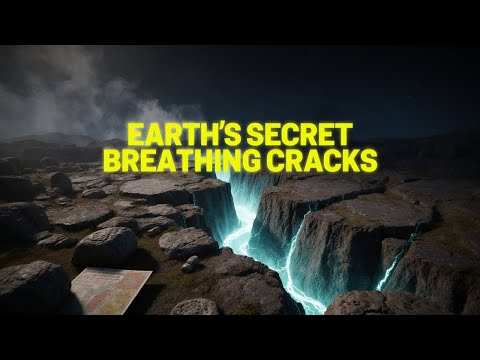
You know that feeling when you trip over a crack in the sidewalk? It’s annoying, but it’s also kind of a reminder of how things aren’t always as solid as they seem. Well, nature has its own version of those cracks.
Fissures, my friend! They’re like secret pathways that run through the earth. Instead of causing an awkward stumble, they tell a story—one about how our planet moves and changes over time.
Imagine standing on a mountain and suddenly realizing there’s more going on beneath your feet than just rock and dirt. It’s wild, right? Fissures can actually lead to volcanic eruptions or even earthquakes. Kinda makes you look at the ground differently!
So let’s take a stroll through these hidden pathways together and uncover what they’re all about. Trust me, it’s gonna be an adventure!
Understanding Geological Fissures: Their Formation, Significance, and Impact in Earth Science
So, let’s chat about geological fissures. You know, those cracks and splits in the Earth’s crust that seem to just appear out of nowhere? They’re like nature’s little secrets, whispering stories of our planet’s past and present.
Basically, a fissure is a long narrow opening that forms in solid rock. It can be pretty small or stretch for miles. But here’s the kicker: fissures are often indicators of some serious geological activity beneath the surface. They can signal things like earthquakes or volcanic eruptions. So, understanding them is super important for geologists.
Now, how do these fissures even form? Well, there are a few ways:
- Tectonic Activity: This is probably the most common way. When tectonic plates shift or collide, they apply stress to rocks, causing them to crack.
- Volcanic Activity: Fissures can form around volcanoes as magma pushes its way up through the ground.
- Erosion: Over time, wind and water wear away at rocks and create fissures too.
It’s kind of wild thinking about how time and natural forces slowly shape our world!
Fissures don’t just look cool; they also play significant roles in ecosystems. For instance, they can become habitats for all sorts of plants and animals. I remember hiking once and stumbling upon this massive fissure filled with vibrant greenery—totally unexpected! The sunlight filtering through created such a serene space; it was like nature’s own little oasis.
Now let’s talk about their significance. These cracks can help scientists understand the history of an area—like reading pages from a book that tells you what has shaped the region over eons. They also assist in predicting natural disasters since many earthquakes start from these very cracks in Earth.
But here comes the tricky part: fissures can impact humans too. Sometimes they lead to land subsidence or ground failure that can affect buildings and roads nearby. It’s like when you’re balancing something on your hand; if one side suddenly drops, everything could topple over!
So next time you see a crack in the ground while you’re out for a walk or even driving down the road, remember that it might be more than just a blemish on the landscape—it could tell tales of Earth’s dynamic processes! Isn’t it amazing how much there is under our feet?
Understanding the Geological Distinction: Fissures vs. Fractures Explained
Well, let’s talk about the differences between fissures and fractures in the world of geology. It might sound like a boring topic at first, but once you get into it, you’ll see it’s actually super interesting!
Fissures are like long, narrow cracks in the Earth’s surface. Imagine you have a big piece of cake and the icing starts to crack – that’s kind of what a fissure looks like! They usually form when there’s a lot of internal pressure. You know how when you squeeze something too tight, it gives way? Same idea here!
Fissures can be seen in volcanic areas or places where tectonic plates move around. When magma pushes up through the crust, it creates these cracks. They often let gases escape too! You might have heard about fissures in places like Iceland, where volcanic activity is pretty common.
On the other hand, we have fractures. Now, fractures are more general; they include any break in rock or mineral. If fissures are very specific types of cracks related to tension and pressure, fractures can happen for a bunch of reasons. They could form due to stress as well—like when rocks get pushed together or pulled apart.
Imagine you’re walking on old wooden floorboards that creak under your weight; those squeaky sounds are similar to what happens with fractures if there’s shifting or movement in rocks over time.
Now here’s where it gets kind of cool: not all fractures are visible from the outside! Some are hidden deep within rock layers and can affect how water moves underground or even how oil is extracted from those same rocks.
Both fissures and fractures can act as pathways for fluids—like water or oil—to move through them. But their effects on surrounding geology can differ quite a bit!
- Formation: Fissures tend to be related to volcanic activity, while fractures can occur due to various geological stresses.
- Appearance: Fissures are often longer and narrower; think long lines across a landscape.
- Fluid Movement: Both can influence how fluids travel underground but may do so differently based on their structure.
- Impact on Environment: Fissures may lead to volcanic eruptions; however, fractures may create reservoirs for natural resources.
So next time you see a crack in the ground or think about volcanoes rumbling with hidden pathways below us, remember—each has its own story and scientific significance! It’s amazing how something as simple as a crack can tell us so much about our planet’s history and processes, right?
Understanding Geographical Fissures: Insights into Earth’s Geological Processes
Geographical fissures, like cracks in a sidewalk, are actually pathways for understanding how our planet works. These fissures form when the earth’s surface experiences stress. Imagine trying to bend a piece of clay. Eventually, it will crack. The earth does something similar under pressure.
So, what exactly are these fissures? They can take many forms! Sometimes they’re tiny cracks, while other times they appear as massive splits in the ground. These formations can happen in different contexts, from volcanoes to fault lines. And you know what? Each fissure tells a story about geological processes.
1. Formation of Fissures: When tectonic plates shift, they create tension and friction between them. Think about when two cars collide but don’t break apart completely; they push against each other until something gives way—a fissure may be the result!
2. Types of Fissures: There’s quite a variety out there:
- Tensional Fissures: These occur when rocks are pulled apart.
- Compressional Fissures: Here’s where rocks get squeezed together.
- Shear Fissures: Imagine sliding two pieces of paper against each other; that’s similar to this type!
3. Natural Wonders: Some fissures become breathtaking landmarks. The Baja California Rift, for example, is an impressive geological wonder formed by tectonic activity.
Now, here’s where it gets a bit emotional for me—think about the Ifalfa Crater. This natural formation is a reminder of the earth’s powerful forces at play over millions of years. It’s humbling to see how much change can occur due to something so primal as shifting plates.
Also important are the environmental impacts of these fissures. They can influence water flow and habitat creation for various species. Picture a crack that allows water to seep through in an otherwise dry area—suddenly, life has a chance!
The Human Element: You might not think about it often, but Earthquakes are often linked to fissures too! When stress builds up at fault lines—the edges of tectonic plates—it eventually releases energy as seismic waves during an earthquake.
Understanding geographical fissures goes beyond just rocks and dirt; it connects us with our planet’s active processes and history. So next time you see a crack in the ground or hear about an earthquake on the news, remember there’s so much more underneath the surface! Nature is constantly working, reshaping itself like an artist with endless clay at their disposal—you know?
Fissures, huh? They might sound boring at first—just lines in the ground or cracks on a rock. But if you stop and think about it, they’re like nature’s secret highways. Seriously, when I stumbled upon a massive fissure while hiking once, I felt this weird mix of awe and curiosity. It was like finding a hidden door to an underground world I never knew existed.
These cracks can be tiny or huge, stretching for miles. They form due to all sorts of reasons: tectonic forces pulling the Earth apart or magma pushing its way up from below. The processes happening beneath our feet are totally mind-blowing! Imagine the molten rock bubbling away deep in the Earth while you’re just chilling on the surface, completely unaware.
What’s cool is that fissures aren’t just random; they play critical roles in shaping landscapes. You might find rivers flowing through them or even plants thriving along their edges. It’s like these cracks create unique little ecosystems—habitats that support all kinds of life. When you look closer, they reveal not just geological history but also how life adapts to even the harshest environments.
And let’s not forget about earthquakes! Fissures can indicate where stress builds up in the Earth’s crust. I’ve read that when tectonic plates shift, these cracks can open wide and change everything in an instant—like nature’s way of reminding us who’s really in charge here.
So next time you’re out exploring and see a fissure, maybe take a moment to reflect on everything that could be happening beneath the surface. Nature is weird and wonderful that way; it invites us to keep asking questions and keeps its mysteries close to its chest. Just remember: those simple lines could tell stories spanning millions of years! Isn’t that kinda cool?