You know that moment when you’re staring at a tomato and wondering if it’s secretly plotting to take over the world? Okay, maybe that’s just me, but seriously, tomatoes today are way different than what our grandparents used to grow.
Genetic manipulation has been all the buzz lately. It’s like science fiction is creeping into our grocery stores. And why not? With a little tweak here and there, we can make crops bigger, stronger, and even resistant to weird weather.
But it’s not all sunshine and rainbows. There are some big questions buzzing around this topic. Like, do we really know what we’re doing? And what about those tiny, potential consequences lurking around?
So let’s chat about genetic manipulation—what it really means for us now and how it could shape our future. Sounds interesting, right?
Exploring Examples of Genetic Manipulation in Modern Science
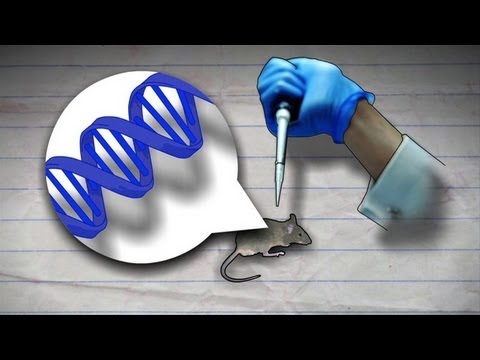
So, genetic manipulation, huh? It’s kind of a big deal these days in modern science. We’re talking about changing the DNA of living organisms to get them to do things we want. Sounds like sci-fi? Well, it’s happening right now!
What’s Genetic Manipulation Anyway?
At its core, it’s the process of altering an organism’s genes. Think of genes as tiny instruction manuals that tell cells how to operate. By tweaking these instructions, scientists can make organisms produce certain traits—like faster growth or resistance to diseases.
CRISPR: The Game Changer
One of the coolest tools in this whole genetic manipulation gig is something called CRISPR. Seriously, it’s like a pair of molecular scissors! With CRISPR, scientists can cut out bad sections of DNA and replace them with better ones. Imagine trimming out a rough patch from your favorite song and replacing it with a perfect note—that’s what CRISPR does for genes.
Applications in Medicine
Now let’s get to the heartstrings here. Genetic manipulation is showing huge promise in medicine! For instance, researchers are working on using CRISPR to tackle genetic disorders like sickle cell anemia. Imagine being able to fix that nasty gene for good! That could change lives—not just for those who suffer from it but also their families and future generations.
Crops and Food Production
But wait, there’s more! You know how sometimes you bite into an apple and wince? Yeah, mushy apples are an unfortunate reality sometimes. Genetic manipulation is being used to develop crops that are not only tastier but also more resistant to pests and climate changes. Imagine biting into a super crunchy apple even when pests are all around!
- Browning-Resistant Apples: Thanks to genetic modification, apples that don’t brown quickly when cut have been created. They last longer and look fresher!
- Drought-Resistant Rice: Scientists are working on rice strains that can survive long periods without water—super helpful for farmers facing climate challenges.
Agricultural Sustainability
And speaking of farms, genetic manipulation can lead to sustainable agriculture too! By developing plants that use fewer resources or resist diseases without needing heavy pesticides, we can not only help farmers but also protect our planet.
The Ethical Dilemmas
Here’s where things get a bit sticky: ethics! With great power comes great responsibility, right? People have different opinions about tinkering with nature. Some fear unforeseen consequences—like making superweeds or effects on biodiversity.
Really makes you think about where we draw the line between helping humanity and messing with nature’s balance—don’t you think? It feels like walking a tightrope between innovation and caution.
In wrapping up this little chat on genetic manipulation, whether it’s saving lives through medical breakthroughs or feeding our growing population sustainably, it’s clear this science opens up tons of possibilities. But with those possibilities come tough questions we need to consider together as society evolves alongside this amazing technology!
Understanding Genetic Manipulation in Science: Techniques, Applications, and Ethical Considerations
Genetic manipulation is a hot topic these days. I mean, we’re talking about changing the very blueprint of life! It’s fascinating but also kinda scary, right? Basically, it involves altering the genes of an organism to achieve desired traits. And there’s a whole toolbox of techniques to do just that.
One of the best-known techniques is CRISPR-Cas9. This nifty tool acts like molecular scissors, allowing scientists to cut DNA at precise locations. You can think of it as editing a document—snip here, paste there. This method has been revolutionary in various fields, from agriculture to medicine.
And speaking of agriculture, genetic manipulation plays a major role in creating crops that are more resilient. For instance, farmers can grow plants that resist pests and diseases or tolerate extreme weather conditions. Imagine biting into a juicy tomato that can survive a drought! Pretty neat, huh?
But it’s not all sunshine and roses; there are ethical considerations. Who should decide how we manipulate life? There are fears about unintended consequences. Things could go sideways if the changes affect ecosystems or lead to unforeseen health issues. Remember when people freaked out about genetically modified organisms (GMOs)? That’s part of it!
Another example is gene therapy in medicine. Scientists are experimenting with this on patients who have genetic disorders like cystic fibrosis. The idea is to fix or replace the faulty genes causing these conditions. There’s hope for curing diseases that were once seen as untouchable!
Still, there’s debate around genetic enhancements. What if we could enhance intelligence or physical abilities? Sounds great on paper but could lead to inequality between those who can afford these treatments and those who can’t.
So yeah, science has come a long way with genetic manipulation, and its potential seems endless. But as we move forward, it’s important to tread carefully and keep asking questions about what’s right and what’s wrong in the world of genetics.
In sum:
- CRISPR-Cas9: A gene-editing tool changing the game.
- Agricultural applications: Creating resilient crops.
- Ethical concerns: The need for responsible manipulation.
- Gene therapy: Fighting genetic disorders.
- Enhancements debate: Equity vs progress.
That’s kind of where we stand with genetic manipulation today—it’s an exciting frontier packed with potential but also loaded with responsibility!
Exploring Genetic Engineering: Transforming Modern Society and Enhancing Lives Through Science
Genetic engineering, huh? It’s one of those topics that sounds a bit like science fiction, but it’s actually transforming our world in some pretty mind-blowing ways. Imagine being able to tweak the very blueprint of life. That’s what genetic engineering lets us do!
So, the basic idea is that scientists can modify an organism’s DNA. They can add, remove, or alter sections of genes. This process helps in everything from agriculture to medicine. Pretty wild, right? What they’re doing is basically changing how living things grow and function.
One of the biggest impacts is in agriculture. Farmers are now using genetically modified (GM) crops to fight pests and diseases without relying heavily on pesticides. This makes farming more efficient and reduces harmful chemicals getting into our environment. For example, crops like Bt corn are engineered to produce a toxin that’s harmful to certain insects but safe for humans. When I was visiting a family farm last summer, they told me how much they’ve saved on pest control thanks to these genetically modified plants!
Then there’s medicine! Genetic engineering plays a huge role in developing treatments for diseases. Think about insulin for diabetes; it used to come from animals but now can be made using genetically engineered bacteria! These little guys help produce human insulin more efficiently and safely. It’s kind of impressive how science can change lives.
But hold on; it’s not all sunshine and rainbows here. There are some heated debates about ethics too! Many people worry about the long-term effects of GMOs on health and biodiversity. Some just think it’s unnatural or have concerns about corporate control over seeds and food supply.
Another area where genetic engineering shines is gene therapy—a technique aiming to treat or prevent diseases by altering genes inside your body! Can you imagine fixing a genetic condition right at its source? That could totally change lives for people with inherited disorders.
Of course, you’ve got CRISPR technology coming into play here too! This tool lets scientists edit DNA with incredible precision—as if they’re just snipping out tiny pieces here and there like some kind of biological artisan! It opens up crazy possibilities for research—especially when it comes to studying diseases.
But with great power comes great responsibility—or something like that! The question becomes: just because we can do something, should we? Like making “designer babies” has sparked quite a conversation about morality and ethics in society.
So yeah, exploring genetic engineering isn’t just about cool science; it’s also about imagining a world where we might eliminate diseases or produce more resilient crops while figuring out the ethical lines we shouldn’t cross.
In short: genetic engineering is changing our society profoundly by improving food security and health care but also raises important questions that we need to address as a community moving forward. It’s really one heck of an adventure we’re all on together!
So, genetic manipulation, huh? It’s this wild field of science that’s kind of changing everything we know about life itself. Imagine being able to tweak the very blueprint that makes us who we are! It sounds like something out of a sci-fi movie, right? Yet, here we are, in a world where scientists can edit genes like they’re changing the font on a document. Sounds futuristic and cool, but it also gets you thinking.
A few years back, I was chatting with a friend who was struggling with some serious allergies. We laughed and rolled our eyes at how inconvenient they were—like sneezing at the worst times or having to avoid certain foods. Then he mentioned how there’s research going on that could actually help people like him by altering genes responsible for those pesky reactions. I mean, wow! That made me realize how much potential there is in genetic manipulation to improve lives.
But here’s the catch: with great power comes great responsibility—or something like that, right? The idea of editing genes isn’t just about curing diseases or making crops resistant to pests; it raises a ton of ethical questions too! Like, should we be messing around with nature? What if someone decides to “design” their baby? You start thinking about fairness and equality because not everyone will have access to these technologies. You feel me?
And speaking of fairness, let’s not forget the environmental impact. Genetically modified organisms (GMOs) can help feed a growing population and reduce pesticide use. But they also spark debates about biodiversity and whether we should really be creating organisms that wouldn’t exist otherwise. There are so many angles to consider!
At the end of the day, genetic manipulation is this huge double-edged sword. On one side, it offers incredible possibilities for health and food security. On the other hand, it invites worries about ethics and ecological balance that can’t be ignored.
It kinda makes you wonder where we draw the line between using this tech for good or going too far into uncharted territory. The conversation is ongoing and super important; it’s ours to engage in as society moves forward—together!