Hey! You know what’s kinda wild? That time you were hiking and stumbled upon a giant rock, and it made you think, “Wow, this thing has been sitting here for ages!” Like, it’s been chilling longer than most of us have been alive. Seriously!
That rock is part of geology, which studies Earth and everything in it. If you think about it, those layers of dirt and stone tell stories about climate changes, natural disasters, and even how creatures like dinosaurs roamed around.
And here’s the kicker: understanding these geological stories helps us get a better grip on our environment today. It’s like having a cheat sheet for what’s happening to our planet right now. Pretty cool, huh? So let’s chat about why geology isn’t just about rocks but also plays a big role in keeping our world safe and sound!
The Integral Role of Geology in Advancing Environmental Science: Insights and Applications
Geology plays a, like, super vital role when it comes to understanding our environment. You might not realize it, but the rocks beneath your feet tell stories—stories about Earth’s past. These stories can actually help us tackle today’s environmental issues.
First off, **geology helps us understand natural resources**. Think of water. It comes from rivers, lakes, and underground aquifers. By studying the geological layers, scientists can figure out where the best places are to find clean water sources. So if you’re ever thirsty and tap into fresh water, you can thank geology for that!
And then there’s soil! It’s more than just dirt; it’s a complex ecosystem supporting life. Different types of soil retain nutrients differently and support various plants. For instance, sandy soil drains quickly which is great for plants that don’t need too much water—like cacti! Meanwhile, clay holds on to water really well, ideal for crops like rice that love being ‘wet’.
Now let’s talk about **natural disasters**. Geologists study earthquakes and volcanic activity to predict when they might happen. By understanding how tectonic plates move, scientists can provide warnings before an earthquake strikes—a lifesaver in many situations.
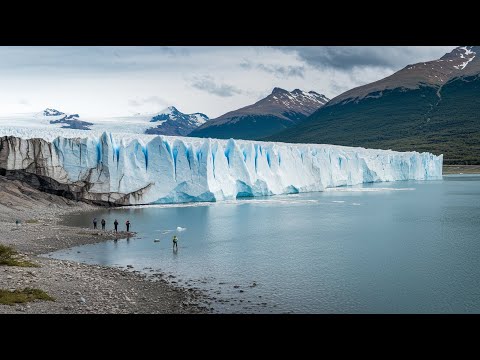
But here’s where it gets even more interesting: **climate change** impacts are deeply intertwined with geology too. The Earth’s processes change over time due to temperature shifts and human activities like mining or drilling for oil. For example, melting glaciers reveal ancient rock layers that contain valuable climate data from centuries ago! Imagine the treasures hidden under those ice caps.
Geology also helps in assessing **land use**. When deciding where to build houses or roads, knowing what lies beneath helps prevent potential problems like landslides or contamination of groundwater sources.
Additionally, by mapping geological formations around areas near coastlines or riverbanks, scientists can better understand **erosion patterns** caused by rising sea levels—a real concern nowadays! They analyze how landforms shift over time and develop strategies to minimize damage to habitats.
Remember that time you might’ve heard about fracking? Well, geologists monitor these sites closely because they know the geology affects how safely we can extract resources without harming our environment. It’s all about balance!
Lastly, geology fosters **environmental awareness** by connecting people with the planet’s history and resources responsibly using them while maintaining ecological integrity. Educating others on how rock formations affect everything from groundwater supplies to ecosystems increases awareness about protecting these precious resources.
In a nutshell (or maybe a rock!), geology is essential in advancing environmental science by offering invaluable insights into our planet’s systems and processes—helping us make informed decisions about our environment today and for future generations!
Understanding the Environmental Impact of Geology: Exploring Geological Influences on Ecosystems
Understanding the Environmental Impact of Geology
Geology isn’t just about rocks and minerals; it’s actually a major player in how our ecosystems function. Think of geology as the backbone of the Earth, shaping everything from mountains to valleys, and in turn, influencing how life thrives in different areas. But what does that even mean for the environment? Let’s break it down!
Soil Formation
The foundation of any ecosystem starts with soil. Soil comes from weathered rocks breaking down over time. The type of rock determines what minerals are in the soil, which affects what plants can grow there. For instance, limestone-rich soils might be great for certain crops but not so much for others like those needing acidic soils.
Water Resources
Now let’s talk about water—super vital for life, right? Geological formations can really influence how water moves through the ground. For example, aquifers are underground layers of rock that can store water. These rock structures can dictate where rivers flow and even how much groundwater is available during dry seasons.
Erosion and Sedimentation
Have you ever seen a river cutting through a canyon? That’s erosion at work! Rocks are worn away by wind and water over time, which creates new landscapes but also changes habitats for living things. When this happens too fast or too much sediment builds up elsewhere, aquatic ecosystems can get stressed out—fish might have trouble laying eggs if their homes get all mucked up!
Natural Hazards
Geology also plays a role in natural disasters like earthquakes or volcanic eruptions. These events can drastically change an environment overnight—destroying habitats and forcing animals to migrate or adapt quickly to survive. This has long-lasting effects on biodiversity since some species might not be able to keep up with these changes.
Biodiversity Hotspots
You know those unique places on Earth where you find super cool species? Often, they’re located near specific geological features! For instance, islands formed by volcanic activity often have unique plants and animals that can’t be found anywhere else because they’re isolated from mainland species.
The Bigger Picture
All these geological factors connect with climate change too! As we mess with the Earth—mining resources or building cities—we’re striking a balance that’s often skewed towards destruction rather than conservation. Understanding geology helps us see the big picture of environmental health.
In short, geology impacts ecosystems more than you might think! It shapes everything from soil to biodiversity and even influences natural disasters that affect our world today. So when we learn about geology, we’re gaining crucial insights into caring for our planet’s health overall!
The Impact of Geography on Environmental Science: Understanding Spatial Influences in Ecological Research
Geography plays a huge role in environmental science, like how your favorite cafe’s location affects its vibe. Seriously, being in the right place can make all the difference when researchers are studying ecosystems and their health. Let’s break it down.
Space Matters. Geography isn’t just about maps and borders; it’s about spatial influences. Different regions have varying climates, topographies, and animal species. All these factors shape the ecological research scientists conduct. For instance, an environmental study in a rainforest will be way different from one conducted in a desert.
Think about it this way:
Those variations provide insights into how life thrives under different conditions.
Geological Features also play a crucial role. Mountains can create rain shadows—places that receive less rain because of their elevation—affecting local ecosystems. Imagine hiking up a mountain and suddenly hitting dry air; that’s partly geography at work! Mountain ranges can also act as barriers for plants and animals. Some end up adapting differently on either side of those mountains—a cool example of how isolation can spark evolution.
Then there’s climate. You’ve got your temperate zones versus tropical zones; they influence everything from vegetation types to animal behavior. For instance, moisture levels in various geographic locations affect soil types, which then determines what plants can grow there. You know how certain plants thrive better in wetter environments? That connection stems from local geography.
And we can’t forget about human activity! Urban areas have unique environmental challenges compared to rural settings.
Another interesting angle is conservation efforts influenced by geography. Knowing where to focus resources is critical for preserving endangered species or habitats. Conservationists often rely on geographical data to prioritize areas that need protection most urgently—making spatial analysis an essential tool.
So while we often think of ecology through the lens of biology or chemistry alone, geography interplays significantly with these sciences too! Understanding spatial dynamics unlocks new approaches toward addressing environmental challenges.
Basically, geography’s impact on environmental science serves as a reminder that every little detail counts—from mountains to valleys and everything in between. This interconnectedness helps us appreciate our planet better!
So, geology… it’s one of those sciences that often doesn’t get as much spotlight as, say, biology or astronomy. But honestly, it’s pretty essential for understanding our planet and, more importantly, how we interact with it. You know how when you’re outside and you see a rock formation or a cliff? Those layers tell a story. They can reveal the history of Earth stretching back millions of years. Just think about that for a second.
I remember this one time during a hiking trip with friends. We were trudging up this trail when we came across these bizarre-looking rocks. So, being the curious bunch we were, we started looking them up. Turns out they were formed from volcanic activity ages ago! That moment kind of stuck with me—rock formations aren’t just pretty views; they’re like nature’s history books.
Now, when it comes to geological science and environmental awareness, things get really interesting. Geologists study not only the materials that make up our planet but also processes like erosion and plate tectonics. All of this is crucial for understanding environmental issues—things like climate change and natural disasters. With climate change becoming such a hot topic (pun totally intended), geologists play an important role in predicting trends based on historical data. They can help us figure out what might happen next if temperatures keep rising or if glaciers continue to melt.
And here’s where it gets real: awareness. By understanding how Earth systems work over time, we can make better decisions today about conservation and sustainability. If you’re aware that certain areas are prone to flooding because of geological factors, you might think twice before building there, right? It’s all interconnected.
Plus, geology gives us insights into natural resources—like where to find clean water or minerals—which is super important for developing technologies that rely on these materials while keeping environmental impact in mind.
So yeah, geological science isn’t just about rocks and layers of soil; it’s like having this powerful tool to navigate the complexities of our environment. The next time you’re outdoors and see rugged cliffs or quirky rock formations, remember: those rocks are telling stories and teaching us lessons about sustainability that could help shape our future in ways we can’t even imagine yet!