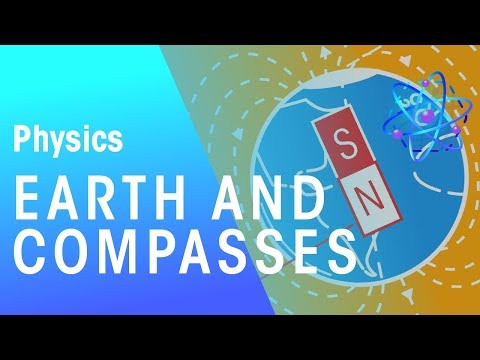
You know when you’re lost in a store, and suddenly that little “you are here” dot on the map feels like your best friend? Well, Earth’s geomagnetic field is kinda like that dot, helping us avoid getting completely lost in space!
So, picture this: the Earth is a giant magnet. Seriously! It’s not just there for decoration; it plays a huge role in keeping us safe from all sorts of cosmic shenanigans.
But it’s not just static, either. This magnetic field is constantly shifting and changing—like your favorite playlist when you’re trying to find the perfect vibe. It’s this dynamic dance that influences everything from plane routes to the behavior of animals on migration. Yeah, even birds depend on it!
So come along with me as we unravel the funky science behind our planet’s magnetic moves. Trust me; it’s gonna be a wild ride!
Exploring the Science Behind Earth’s Magnetic Field: Understanding Geomagnetism and Its Impact on Our Planet
So, have you ever thought about what keeps our planet from being a complete mess of charged particles? Well, that’s where the Earth’s magnetic field comes in. It’s a fascinating topic! The thing is, Earth does not just have a magnetic field; it has this elaborate system of geomagnetism that protects life as we know it.
What is Geomagnetism? It’s basically the science that studies Earth’s magnetic field. This field is like an invisible shield that surrounds our planet, created by movements in the molten iron core deep beneath our feet. Yeah, you heard that right! This core is super hot and very dynamic.
Now, here’s where it gets interesting. You might think “Oh, it’s just a field.” But it actually has some pretty serious effects on everything from navigation systems to even animal migrations. You know how birds seem to know exactly where they’re going? Well, they actually use the Earth’s magnetic field to navigate! Isn’t that wild?
How Does It Work? Alright, so when we talk about geomagnetism, we’re really talking about the dynamo effect. Picture this: molten iron moves around in the outer core due to convection currents—kind of like boiling water. This motion generates electric currents, which then create magnetic fields. These fields combine and strengthen each other into one massive magnetic shield—our geomagnetic field!
This whole process isn’t static either; it changes over time due to various factors—some natural and some human-induced. For example:
- The poles flip every few hundred thousand years or so.
- Solar storms can distort the magnetic field and produce beautiful auroras (like those mesmerizing northern lights).
And speaking of solar storms…Why are they important? When powerful solar flares hit Earth, they can create disturbances in the magnetic field which sometimes result in disruptions to communications and even power grids on Earth! So yeah, this invisible force isn’t just there for decoration; it affects our everyday lives!
You might be curious about what happens if we didn’t have this magnetic shield at all. Well, without it, harmful cosmic radiation from space would flood our atmosphere. Think about all those sci-fi movies where everything goes haywire because of radiation—yeah! Not fun.
Sometimes I imagine a world without this protective layer—it’d be chaotic! Life as we know it would probably not exist because those dangerous rays could fry off much of our atmosphere over time.
In summary:
- The Earth’s magnetic field protects us from harmful cosmic radiation.
- The geomagnetic dynamo process generates this protective shield.
- Anomalies, like pole reversals and solar flares, impact life on Earth.
So there you go! Geomagnetism isn’t just some science mumbo-jumbo locked away in textbooks; it’s vital for our survival on this spinning rock we call home! Crazy how much more there is than meets the eye when you look a little deeper into something as fundamental as Earth’s magnetism!
Exploring the Science Behind Canine Behavior: Why Dogs Align Themselves with Earth’s Magnetic Field When Pooping
Did you know that your furry friend might be aligning themselves with Earth’s magnetic field when doing their business? Yeah, it sounds a bit odd, but there’s some real science behind it. A study in 2013 found that dogs tend to prefer pooping along a north-south axis. Why? Well, it all comes down to how dogs perceive their environment and some intriguing earth science.
You see, the Earth has this thing called a geomagnetic field. It’s like an invisible shield that protects us from solar winds and cosmic radiation—pretty neat, right? But animals are tuned into these magnetic fields in different ways. Dogs, with their super-sensitive noses and keen instincts, are believed to use this magnetic data to navigate their world.
So let’s break it down a bit:
- Geomagnetic awareness: Dogs’ brains may actually respond to the Earth’s magnetic variations. Research suggests that they have a built-in compass!
- Environmental cues: When they go outside for a walk or playtime, they’re not just sniffing around; they’re also figuring out which direction feels “right.”
- Behavior patterns: This isn’t just random behavior; studies show most dogs take this north-south position consistently when relieving themselves.
Think about your dog for a moment. Ever noticed how they’ll roam around before finding that perfect spot? It’s not just about comfort or privacy either. They’re likely tuning into these magnetic alignments as well.
Interestingly enough, this canine compass isn’t just limited to pooping. Some researchers believe that other animals might do something similar with navigation. For instance, birds migrate using the Earth’s geomagnetic fields too—talk about nature’s GPS!
I remember watching my dog Bella one day while she was figuring out where to “go.” She spun around in circles until she finally squatted down facing south. I was cracking up thinking she was just being her quirky self, but now I realize she was probably aligning with Earth’s magnetic vibes! Kinda cool when you think about it.
In short, dogs have this fascinating connection with Earth’s geomagnetic field that influences their behavior in ways we’re only beginning to understand. So next time you’re out with your pup and he seems lost in thought before taking care of business, remember there might be more going on than meets the eye!
Exploring the Impact of Earth’s Magnetic Field on Human Health: Insights from Scientific Research
Alright, let’s talk about Earth’s magnetic field and how it might relate to us humans. You know that invisible force around our planet? Yeah, that’s the geomagnetic field. It helps protect us from solar winds and cosmic radiation, like a shield. But hold on, does this field actually affect our health? Let’s dig into it.
The geomagnetic field is created by movements of molten iron in the outer core of the Earth. Basically, it’s like having a giant bar magnet spinning deep down below our feet. So, what does this mean for people living their daily lives?
- Impact on Sleep Patterns: Some studies suggest that changes in magnetic fields can mess with your sleep. For instance, during magnetic storms, people have reported more restless nights. This could be linked to the way our bodies respond to these changes—sort of like how some folks feel grumpy when it rains!
- Mood Changes: Ever felt off or moody when a storm rolls in? Well, researchers think fluctuations in the geomagnetic field might influence our emotions too! There’s evidence suggesting that certain geomagnetic conditions correlate with increased anxiety or mood swings.
- Physical Health: Some research hints at a link between magnetic fields and cardiovascular health. A study pointed out that during periods of intense geomagnetic activity, there may be an increase in heart-related issues among certain populations. Crazy, right?
- Cognitive Function: In some cases, people have noticed their ability to concentrate dips during high geomagnetic activity. This doesn’t happen to everyone but suggests there might be some influence at play which could affect our day-to-day brainpower!
If you’re curious about real-life impacts: I remember a friend who used to complain about terrible headaches during solar flares. At first, I thought it was just an excuse for not wanting to go out! But then I learned there might actually be something more to those feelings based on what experts are finding.
You see? The research is still developing here—it’s not a cut-and-dry situation yet! And while some findings are intriguing, others haven’t been fully nailed down yet either.
No one is saying we should rush out and buy magnets for our beds or anything wild like that! The thing is, understanding how these fields work can help us appreciate just how interconnected we are with nature—even if it’s through something we can’t see.
To wrap this up: Our planet’s geomagnetic field plays a subtle but fascinating role in shaping aspects of human health and well-being. As scientists keep digging deeper into this connection, who knows what other surprises await us!
You know, when you think about Earth, it’s easy to get wrapped up in the big stuff—like mountains, oceans, and that endless sky. But there’s this invisible shield playing a huge role in making sure life here can thrive: our geomagnetic field. It’s like Earth has its own superhero cape wrapped around it, protecting us from harmful solar winds and cosmic rays.
The funny thing is, I was once hiking with some friends in this beautiful national park. We were all enjoying the view when suddenly we started talking about how our compasses worked. You wouldn’t believe how excited we got! Picture it: four friends standing on a mountaintop debating Earth’s core and magnetic fields—you could say we were geeking out a bit! So anyway, that conversation got me thinking about just how cool the Earth’s magnetic field really is.
At its heart, the geomagnetic field is generated by movements in the liquid outer core of our planet. This outer core is made mostly of iron and nickel, swirling around at super high temperatures. As these molten metals move—thanks to convection currents—their flow generates electric currents. And those electric currents create magnetic fields! Pretty wild, right? So basically, you’ve got this whole dynamic system working together to keep life safe from all sorts of space nasties.
But here’s where things get even more interesting: this field isn’t static; it actually changes all the time. Sometimes it flips completely! Yeah, you heard me right—a magnetic pole reversal can happen every few hundred thousand years or so! Imagine if your compass suddenly pointed south instead of north; pretty mind-blowing.
Also worth mentioning are phenomena like geomagnetic storms caused by solar flares. When those charged particles from the sun slam into Earth’s magnetic field, they can create some spectacular auroras—but they can also mess with satellites and power grids down here on solid ground.
In a way, standing there on that mountain with my friends was like having a glimpse into this vast and complex universe beneath our feet. The dynamics of Earth’s geomagnetic field connect us all to something much bigger than ourselves. It reminds me that there are still mysteries left to explore right here at home.
So next time you’re out camping or hiking and you pull out your compass—or just look at the sky—take a moment to appreciate that invisible force keeping everything balanced down here on Earth. Who knows? Maybe you’ll find yourself pondering about it too!